Sunshine Wattle Care (Acacia terminalis)

Sunshine Wattle

About Sunshine Wattle

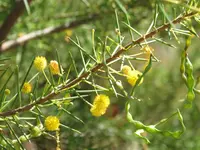
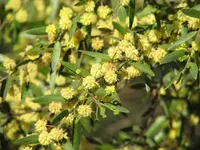
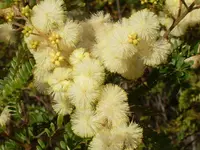
Sunshine wattle (Acacia terminalis) is a small to medium shrub or bushy tree known for its bright yellow, ball-shaped flower clusters. It has fine, feathery foliage that gives a light, soft texture in the landscape.

This species is native to eastern Australia, where it grows in open forests and coastal scrub. It tends to be fast growing and relatively short lived, which suits gardeners looking for quick structure and seasonal color.

Sunshine wattle prefers sunny sites, well-drained soil, and moderate moisture, and it generally dislikes waterlogged conditions. Its toughness and low nutrient needs make it fairly straightforward to care for Sunshine Wattle in suitable climates.

Main Plant Requirements

Care Difficulty

Moderate Care

Light Preference

Full Sun

Water Requirements

Low Water

Temperature Preference

Warm Climate

Hardiness Zone

9–11

Soil Texture

Sandy, Loamy, Rocky

Soil pH

Acidic (5.5–6.5), Slightly acidic (6.5–7.0)

Soil Drainage

Well-drained

Fertilization

Minimal (feed rarely)

Get Personalized Care Plan

Scan your plant to receive care tips personalized for your specific plant

Available on iOS and Android

How to Care for the Sunshine Wattle

This species prefers bright, direct sun but tolerates some light shade in hotter climates.

  • Provide 6–8 hours of direct sun daily, with morning sun and light afternoon shade ideal in hot inland areas for Sunshine Wattle.
  • In very hot summers, protect from harsh west-facing afternoon sun with a tree canopy, fence shadow, or 30–40% shade cloth to reduce leaf scorch.
  • In cooler climates, choose an open, unshaded spot; if stems elongate or flowering declines, the plant is not receiving enough light.

This plant is drought-tolerant once established and prefers infrequent, deep watering.

  • Allow the top 5–8 cm of soil to dry before watering; in the ground, deep soaking every 10–14 days in dry weather is usually sufficient once established.
  • Use sharply drained, sandy or rocky soil so water does not pool around roots, as Acacia terminalis is prone to rot in poorly drained sites.
  • Reduce watering in cool or wet seasons; yellowing, soft foliage suggests overwatering, while crisp leaf tips and wilt in dry soil indicate underwatering.

This shrub prefers mild to warm conditions and dislikes hard frost or extreme heat stress.

  • Aim for active growth at 65–80°F (18–27°C), where shoots and flowering develop steadily without stress.
  • It tolerates brief drops to about 25–28°F (-4 to -2°C) once mature, but young plants are more frost-sensitive and benefit from wind-sheltered positions.
  • In hot regions, it copes with 90–100°F (32–38°C) if soil is not waterlogged and roots are mulched; prolonged frost or cold, wet soil greatly increases dieback risk.

This species adapts well to typical household humidity and usually does not need special adjustments.

  • Aim for 30–50% humidity; it tolerates drier indoor air better than many tropical plants.
  • Sunshine Wattle shows humidity stress through crispy new growth and browning leaf tips, especially near heaters or drafts.
  • If air is very dry, group plants together or place the pot on a pebble tray with water below the pot base, not touching it.

Acacia terminalis prefers lean, sharply drained soil that mimics its native sandy habitats.

  • Use a sandy or gravelly loam with plenty of coarse particles so water drains freely and roots stay aerated.
  • Aim for slightly acidic to neutral pH, around 6.0–7.0, avoiding strongly alkaline mixes that can lock up nutrients.
  • Combine 2 parts coarse sand or fine gravel with 1 part loam and 1 part composted bark to create a stable, open structure.
  • Avoid heavy clay, peat-heavy potting mixes, or compacted beds, which hold water around the roots and encourage rot.

This species can be grown in containers if the pot and substrate are managed for fast drainage and root space.

  • Choose a deep, narrow container to accommodate the developing taproot while limiting excessive top growth height.
  • Select a heavy, stable pot material such as ceramic to prevent tipping as woody stems become taller and more wind-exposed.
  • Raise the container slightly on pot feet so drainage holes stay clear and excess water can leave quickly after rain or watering.

Acacia terminalis grows best in lean, well-drained soil and usually needs only light feeding in cultivation.

  • Use a low-dose, slow-release native plant fertilizer or balanced NPK around 8-8-8 at half strength in early spring.
  • Apply a light topdressing of compost once a year, keeping material away from the stem base.
  • Feed once in spring and again midsummer during active growth, then stop in fall and winter.
  • Avoid high-phosphorus products to reduce risk of root damage when caring for Sunshine Wattle.

Acacia terminalis benefits from light pruning to maintain a compact, flowering canopy.

  • Carry out main pruning after flowering, typically late winter to early spring, to preserve next season’s buds.
  • Remove dead, diseased, or rubbing branches with clean, sharp bypass pruners or loppers.
  • Thin crowded interior shoots to improve light penetration and air flow through the canopy.
  • Shorten overly long or straggly stems to shape the plant, cutting back to a healthy outward-facing bud.

This species is more often planted in the ground than kept in pots, so focus on careful transplanting of young Acacia terminalis plants.

  • Transplant in late winter to early spring when temperatures are mild and soil is workable.
  • Look for roots circling the container, water running straight through, or slowed growth as cues the plant is pot-bound.
  • Shift to a container or garden hole only 1–2 sizes larger, using free-draining, sandy soil to limit waterlogging stress.
  • Handle the root ball gently, tease only the outer roots, water thoroughly after planting, and shade for 3–5 days to reduce shock.

Acacia terminalis is most commonly propagated from seed, with some success also possible from semi-hardwood cuttings.

  • Collect ripe seed pods, extract seeds, and soak in just-boiled then cooling water for 12–24 hours to break hard dormancy.
  • Sow treated seeds in spring in a free-draining, sandy mix, keeping temperatures around 65–75°F and moisture lightly even.
  • For cuttings, take semi-hardwood tips in late summer, use rooting hormone, and place in a warm, humid, bright but indirect light environment.
  • Maintain good air circulation and avoid overwatering to reduce damping-off and rot during germination or rooting.

In mild climates, Acacia terminalis usually needs minimal winter care but can be damaged by hard frost.

  • In USDA zones cooler than 9, grow in containers so plants can be moved indoors during freezes.
  • Apply a 5–8 cm mulch layer around the root zone in late fall, keeping it slightly away from the trunk.
  • In exposed sites, use a breathable frost cloth to shield young foliage and stems during cold snaps.

Care Tips

Encourage Bushier Habit

Tip back soft new shoots by 2–4 in during active growth to encourage side-branching and a denser canopy rather than one tall, leggy stem.

Protect Sensitive Roots

Avoid deep cultivation or frequent transplanting around the base, as the fine feeder roots are shallow and easily damaged; use a light organic mulch layer instead of turning the soil.

Support Wind-Exposed Plants

In open or coastal sites, install a low, flexible stake on the windward side and tie the stem loosely with a soft tie, removing support after 1–2 years once the trunk has thickened.

Manage Post-Flowering Pods

After flowering, selectively remove most seed pods before they fully mature if self-seeding is not desired, leaving only a few for seed collection or wildlife value.

Plan For Short Lifespan

Sunshine wattle is often short-lived, so start new plants from seed or cuttings every few years to maintain a continuous planting rather than relying on a single long-term specimen when growing Sunshine Wattle.

Common Pests and Diseases

Wattle psyllids

These insects feed on new growth, causing leaf curling, blistering, and distorted phyllodes, and can leave sticky honeydew that encourages sooty mold. Heavy infestations may slow growth and reduce flowering.

Solution

Prune and dispose of heavily infested shoots, then hose down foliage to dislodge remaining insects and honeydew. For ongoing issues, use repeated applications of insecticidal soap or horticultural oil on the undersides of leaves, and encourage natural predators such as lady beetles by avoiding broad-spectrum insecticides.

Acacia stem borers

These insects tunnel into stems and branches, leading to dieback, sudden wilting of affected shoots, and small borer holes sometimes surrounded by frass (sawdust-like material). Structural weakness and branch breakage can follow if damage is extensive.

Solution

Cut out and destroy affected stems several inches below visible damage to remove larvae, sterilizing pruning tools between cuts. Keep the plant vigorous with proper watering and avoid wounding the trunk, and in high-risk areas use physical trunk guards and regular inspections to catch early signs of boring.

Gall rust

This disease produces swollen, woody galls on stems and branches, which can restrict sap flow and cause dieback beyond the affected area. Symptoms include rough, irregular growths that may crack and deform stems over time.

Solution

Prune out infected branches well below the gall and discard them away from the garden, cleaning tools with alcohol or a bleach solution between cuts. Improve spacing and airflow around the shrub, avoid overhead watering, and monitor regrowth so new galls can be removed promptly according to standard Acacia terminalis care instructions.

Phyllode leaf spot

This disease causes small dark or tan spots on phyllodes that can merge into larger blotches, sometimes leading to yellowing and early leaf drop. Humid, poorly ventilated conditions increase severity.

Solution

Remove and discard affected leaves from the plant and ground to reduce spore levels, then improve airflow by light pruning and avoiding dense crowding. Water at the base in the morning rather than overhead, and if the problem persists, apply a labeled copper-based or other low-toxicity fungicide at the first appearance of new spots.

Scale insects

These pests appear as small, fixed bumps on stems and leaf midribs, sucking sap and causing yellowing, reduced vigor, and sticky honeydew deposits. Sooty mold may develop on the honeydew, further reducing photosynthesis.

Solution

Wipe or gently scrub accessible scales off stems with a soft cloth or brush dipped in soapy water, and prune heavily infested twigs. For remaining populations, apply horticultural oil during mild weather to smother immature scales, repeating as needed while monitoring for beneficial insects that help keep scale in check.

Interesting Facts

Eastern Australian endemic

This species is naturally restricted to coastal and near-coastal areas of eastern Australia, especially New South Wales, where it grows in sandstone heath, open forest, and dry sclerophyll woodland habitats.

Nitrogen-fixing shrub

Like many members of the legume family, this wattle forms root nodules with symbiotic bacteria that fix atmospheric nitrogen, helping it thrive in nutrient-poor, sandy or rocky soils and contributing to local soil fertility.

Early-season flowering

In its native range, it commonly flowers from late winter into spring, providing early-season pollen and nectar resources for native insects when other nectar sources are still limited.

Botan icon

Did you know?

Acacia terminalis has been used in ecological restoration projects within its native range because it establishes relatively quickly on degraded sandstone slopes, stabilizes shallow soils with its root system, and supports local insect and bird communities that are adapted to eastern Australian heath and woodland vegetation.

FAQs about Sunshine Wattle

Lack of flowers usually comes from insufficient light, heavy pruning at the wrong time, or excess nitrogen fertilizer. Mature plants bloom more reliably. Avoid cutting young flower buds and use low-phosphorus, balanced fertilizer applied sparingly.

Grow Healthy Plants with Botan Care

Keep your plants happy and healthy with plant identification, disease detection, and easy care guidance.

Botan plant care app — identify plants on mobile

Explore More Plants