Staggered sowing
Sow small batches every 1–2 weeks rather than all at once to keep leaves at a tender stage and extend the harvest window over the whole cool season.

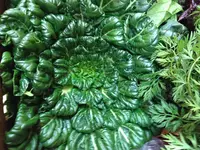
Brassica rapa var. rosularis, often called tatsoi or rosette bok choy, is a cool-season leafy vegetable in the cabbage family. It forms low, flat rosettes of smooth, spoon-shaped, dark green leaves. Plants stay compact and are well suited to small gardens and container growing. This variety likely originates from East Asia and is now widely cultivated in temperate regions. It grows quickly, tolerates mild frost, and is generally easy to manage, which makes it suitable for beginners. To care for Brassica rapa var. rosularis, provide cool conditions, regular moisture, and fertile, well-drained soil.

Care Difficulty
Moderate Care

Light Preference
Full Sun

Water Requirements
Regular Water

Temperature Preference
Cool Climate

Hardiness Zone
2–11

Soil Texture
Loamy, Silty, Organic-rich

Soil pH
Acidic (5.5–6.5), Slightly acidic (6.5–7.0)

Soil Drainage
Moist but well-drained

Fertilization
Moderate (every 2–4 weeks)
Scan your plant to receive care tips personalized for your specific plant
Available on iOS and Android
This cool-season leafy vegetable prefers bright outdoor conditions with protection from harsh heat.
Consistent, moderate soil moisture supports tender, fast growth.
This plant grows best in cool, stable outdoor conditions.
This leafy crop grows well in 40–60% humidity and usually does not need special humidity control.
Brassica rapa var. rosularis prefers loose, moist, well‑drained soil that stays evenly damp without becoming waterlogged.
This species is well suited to container growing for compact, repeat harvests.
This leafy vegetable benefits from modest, targeted feeding during its short growing period.
This fast-growing leafy crop needs only light pruning focused on harvest and hygiene.
This plant is usually grown as a short-term crop, so transplanting timing matters more than container longevity.
For home growers, this leafy brassica is most practical to propagate from seed.
This cool-season crop tolerates light frosts but benefits from basic winter protection in colder regions.

Plant Health Check
Not sure what's wrong with your plant? Check your plant's health inside the app.
This leafy vegetable forms low, compact rosettes of smooth, spoon-shaped leaves, which differ from the more upright growth of many other B. rapa leafy types such as pak choi or komatsuna.
It is valued in East Asian agriculture for its ability to tolerate cool conditions and short photoperiods, allowing harvestable leaves in autumn and early winter when many other leafy crops slow down.
Compared with more pungent Brassica relatives, it typically has a milder, less mustardy flavor profile, which is linked to a lower concentration and different balance of glucosinolates, the sulfur-containing compounds that create sharp tastes and aromas.

This leafy form of Brassica rapa has been independently selected and maintained in several East Asian regions, especially China and Japan, where it appears in diverse local landraces and is used in traditional dishes ranging from quick stir-fries to light pickles, making it an important but often overlooked regional crop compared with globally known cabbages and pak choi.
Yes, this leafy brassica is grown as an edible vegetable. The rosettes, young leaves, and tender stems are eaten raw in salads or lightly cooked. Flavor is mild to slightly mustardy and becomes stronger in hot weather.
Keep your plants happy and healthy with plant identification, disease detection, and easy care guidance.