Why Herb Isn't a Botanical Group
The word "herb" actually describes the plant's use, not its common origin. The plants we group together come from dozens of completely unrelated families, so mint, parsley, and chamomile barely fit next to each other on a tree.
Our list of all herbs relies on this broad, practical meaning rather than strict botanical classification. And the number quickly grows once you start counting. The Royal Botanic Gardens, Kew, has recorded over 28,000 plant species with documented medicinal uses, plus culinary and aromatic species further increase that number.
The Three Herb Categories
Most herbs fall into three main categories based on their intended use. Ultimately, it all comes down to flavor, medicinal properties, and aroma:
- Culinary herbs add flavor to food, with basil and oregano leading the way.
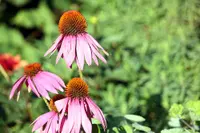
- Medicinal herbs, such as echinacea, help with aches, pains, colds, and other everyday ailments.
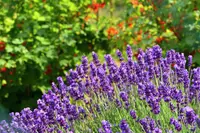
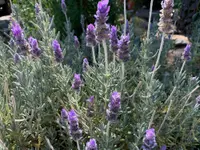
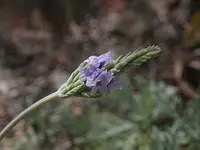
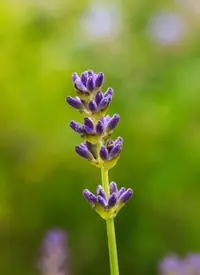
- Aromatic herbs deserve their place for their aroma alone, and lavender is a clear example.
However, it seems that you can’t categorize all herbs, as rosemary alone can fit into all three groups. It adds flavor to roasts, soothes the stomach, and fills the room with aroma.
Annual, Biennial, and Perennial Herbs
The lifespan of herbs ultimately determines how you grow them. Some quickly complete their entire life cycle in a single season, others require two years, and some continue to grow year after year. This rhythm determines when you sow and when you finally harvest.
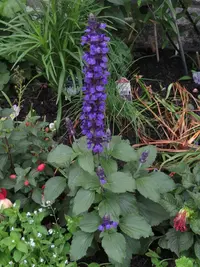
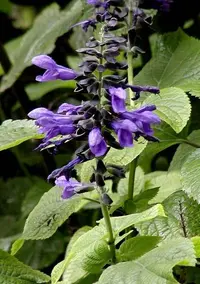
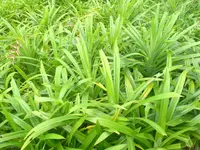
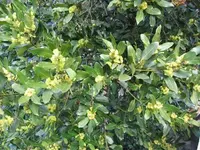
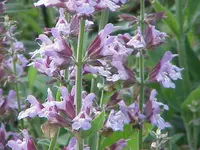
Perennial herbs really earn their place in a flowerbed, as you plant sage once, and it returns every spring without any hassle. Annuals like basil require annual reseeding, so knowing the cycle will save you a lot of guesswork later. Our herb list is sorted for easy reference, with each name listed next to its image.