xanthoparmelia lichen Care (Xanthoparmelia conspersa)

Also known as: Peppered rock-shield
xanthoparmelia lichen

About xanthoparmelia lichen

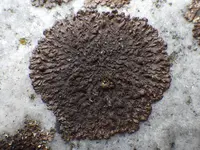
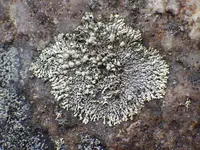
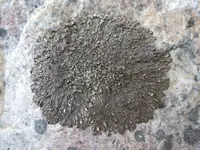
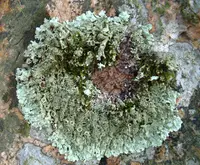
Xanthoparmelia conspersa is a foliose lichen, not a true plant, formed by a partnership between a fungus and photosynthetic algae. It typically grows as flattened, overlapping lobes that create pale green to yellowish crusty mats on rocks.

This species is common in sunny, dry, open habitats, especially on exposed granite and other rock outcrops in North America and parts of Europe. It is slow-growing and sensitive to air pollution, which makes it challenging to cultivate and better suited to naturalistic outdoor settings than containers. For anyone trying to care for xanthoparmelia lichen, it generally prefers bright light, clean air, and a stable, slightly dry environment on well-drained rock surfaces.

Main Plant Requirements

Care Difficulty

Moderate Care

Light Preference

Full Sun

Water Requirements

Low Water

Temperature Preference

Cold Hardy

Hardiness Zone

3–8

Soil Texture

Rocky, Sandy

Soil pH

Acidic (5.5–6.5)

Soil Drainage

Well-drained

Fertilization

Minimal (feed rarely)

Get Personalized Care Plan

Scan your plant to receive care tips personalized for your specific plant

Available on iOS and Android

How to Care for the xanthoparmelia lichen

This crustose lichen prefers bright, open conditions that mimic exposed rock habitats.

  • Provide 4–8 hours of direct sun daily, ideally with gentle morning sun and some light afternoon shade in very hot, dry regions.
  • It tolerates partial shade, but growth and color are best on sun-exposed rock surfaces with only brief shading from nearby plants or terrain.
  • Excessive, reflected midday sun plus prolonged drought can cause bleaching and dieback, while deep shade slows growth and can lead to thinning thalli in xanthoparmelia lichen.

This rock-dwelling lichen is highly drought-tolerant and needs only brief wetting periods to stay healthy.

  • Allow the substrate or rock surface to dry fully between wetting events; it is adapted to intermittent rain rather than constant moisture.
  • Short, thorough wettings that drain or evaporate within a few hours are safer than frequent light misting, which can keep surfaces damp and encourage rot or algae.
  • Signs of overwatering include soft, darkened patches and greenish films, while chronically dry, brittle fragments that fail to rehydrate after rain indicate stress in Xanthoparmelia conspersa.

This species is adapted to exposed, outdoor conditions and tolerates a wide temperature range.

  • Optimal active growth typically occurs around 50–75°F (10–24°C), especially during cool, moist periods in spring and fall.
  • It survives winter cold well and can tolerate brief drops near 0°F (−18°C) on rock surfaces, provided freeze–thaw cycles are not combined with prolonged waterlogging.
  • In summer, it endures dry heat up to about 90–95°F (32–35°C) if air flow is good; extended heat plus trapped moisture can damage tissue and favor competing algae.

This lichen prefers open-air conditions with relatively low to moderate humidity, similar to dry rocky habitats.

  • Aim for 30–60% humidity, as prolonged high humidity can encourage mold and algal overgrowth on the thallus.
  • It tolerates dry air well but suffers if constantly wet, showing dark, waterlogged patches and soft, decaying edges.
  • If air is very stagnant, increase airflow with a small fan rather than adding moisture, which better matches natural xanthoparmelia lichen exposure.

For cultivation, Xanthoparmelia conspersa needs a mineral, fast-draining surface rather than conventional potting soil.

  • Use a mix dominated by coarse sand, fine gravel, and a small amount of gritty cactus mix to mimic a rocky substrate.
  • Ensure extremely rapid drainage; water should run through in seconds, leaving the surface dry soon after.
  • Keep pH near neutral to slightly alkaline (about 6.5–8.0) by adding crushed limestone chips or a small amount of garden lime.
  • Avoid peat-heavy, compact, or water-retentive media, which hold moisture around the lichen and limit aeration of the lower surface.

This species can be grown in shallow containers that mimic exposed rock surfaces.

  • Choose a wide, shallow tray so the lichen can spread laterally without trapping moisture in deep pockets.
  • Select unglazed clay or rough stone inserts, which dry faster and prevent prolonged dampness at the attachment surface.
  • Raise the container slightly on feet or stones so drainage holes stay clear and air can move under the tray.

This crustose lichen gains nutrients from air, rain, and its substrate, so xanthoparmelia lichen indoor care rarely involves fertilization.

Xanthoparmelia conspersa does not require true pruning, but light management can keep colonies healthy and contained.

  • If colonies overgrow stones or nearby features, gently lift and remove excess thalli during cool, dry weather.
  • Discard dead, heavily damaged, or heavily polluted-looking patches to reduce stress on nearby healthy growth.
  • Use fingers or a soft brush rather than blades to avoid cutting or tearing the lichen and its substrate.
  • Aim to maintain natural, irregular colony shapes rather than trimming into sharp, artificial edges.

This lichen is usually grown on rocks or outdoor surfaces, so transplanting focuses on moving small colonies rather than classic repotting.

  • Transplant only when growth is clearly unwanted on a surface or when relocating to a cleaner rock or display area.
  • Best timing is in cool, moist seasons (spring or fall) to reduce desiccation stress after moving.
  • Lift small pieces with a thin spatula, keeping attached rock or bark underneath to avoid damaging the holdfasts.
  • Place onto a similar, clean, rough surface and mist lightly, then keep shaded and humid for several weeks while it reattaches.

Xanthoparmelia conspersa spreads mainly by natural fragmentation, so intentional propagation is slow and somewhat technical.

This species is very cold hardy and generally needs no special winter care in outdoor conditions.

Care Tips

Provide mineral base

Attach the lichen to a stable, low-nutrient rock such as granite, sandstone, or unglazed clay instead of wood or bark, because it anchors more reliably and mimics its natural, mineral-rich habitat.

Maximize air movement

Place mounted pieces in an open, breezy location or use a small fan on a low setting a few hours per day to prevent stagnant air films that can trap excess moisture and encourage decay.

Use rainwater misting

When hydration is needed, lightly mist with collected rainwater or distilled water rather than tap water, which often contains dissolved salts and chlorine that can gradually stress the thallus (the lichen body).

Rotate exposure surfaces

If cultivating on a small rock or tile, periodically rotate or reposition it so all sides receive similar light and drying conditions, reducing the risk of one permanently shaded, overly damp side deteriorating.

Seasonal rest periods

Allow longer dry intervals and cooler conditions during winter months to simulate natural seasonal cycles, which supports long-term stability when growing xanthoparmelia lichen in controlled conditions.

Common Pests and Diseases

Air pollution injury

Symptoms include fading or bleaching of thallus color, blackened patches, and eventual death of lobes on surfaces exposed to polluted air. This condition results from sensitivity to sulfur dioxide, nitrogen oxides, and other urban or industrial air contaminants.

Solution

Reduce or stop collecting material from polluted roadside, urban, or industrial areas and, if cultivating, move specimens to locations with cleaner air and good airflow. Long‑term improvement depends on avoiding exposure to exhaust, smoke, and chemical fumes, since damaged parts do not recover and will slowly slough off.

Desiccation damage

Symptoms include brittle, curled, or cracked thalli that fail to rehydrate fully after rain or misting. This condition is caused by prolonged dry, hot, and exposed conditions that exceed the lichen’s tolerance for water loss.

Solution

Provide a more sheltered, cooler microhabitat with intermittent access to moisture, such as shaded rock or bark that stays cool and receives periodic misting or natural dew. Avoid handling or moving the lichen when completely dry, and allow slow, gentle rehydration rather than soaking in standing water.

Snail and slug grazing

This pest removes patches of the cortex, leaving irregular scraped areas or holes on the upper surface of the thallus. Damage is often most visible after wet periods, when mollusk activity increases.

Solution

Physically exclude snails and slugs from cultivation areas by using fine mesh barriers or raising display surfaces, and hand‑remove any individuals found on or near the lichen. If necessary, place small, wildlife‑safe slug traps away from the lichen to reduce local populations without contaminating the substrate.

Mite infestation

These insects create tiny pits, roughened surfaces, and fine powdery debris where they feed within or beneath the lichen thallus. Damage builds gradually and can weaken small colonies over time.

Solution

Gently rinse the lichen with clean, non‑chlorinated water and use a soft brush to dislodge mites and debris, then improve ventilation and avoid overly dusty, stagnant locations. If the infestation persists, relocate the lichen to a new, clean substrate and discard heavily damaged fragments to prevent re‑establishment.

Fungal overgrowth

This disease appears as dark, sooty, or fuzzy patches on the lichen surface that obscure the normal cortex texture. Opportunistic fungi exploit overly shaded, persistently damp conditions and can slowly smother the lichen.

Solution

Increase light to bright, indirect levels, reduce constant wetting, and ensure rapid drying after rainfall or misting to discourage the secondary fungus. Carefully remove heavily overgrown areas with forceps and maintain better airflow and a more natural wet‑dry cycle as part of general Xanthoparmelia conspersa care instructions.

Interesting Facts

Nitrogen-tolerant rock specialist

This species is notably tolerant of nitrogen enrichment and often dominates nutrient-enriched rock surfaces near agricultural areas or bird perches, where many other rock lichens decline.

Chemical defense compounds

It produces secondary metabolites such as usnic acid and stictic acid, which act as chemical defenses against UV radiation and grazing by invertebrates and can be used as chemotaxonomic markers to distinguish it from similar species.

Indicator of open habitats

It commonly forms yellow-green rosettes on exposed siliceous rocks in sunny, wind-exposed sites, so its presence can indicate relatively open, unshaded rock habitats in temperate regions of eastern North America and parts of Europe.

FAQs about xanthoparmelia lichen

Growth is very slow. In natural conditions, it may add only 1–3 mm of new thallus edge each year. Rate depends on clean air, stable moisture, and undisturbed surfaces such as rock or old bark.

Grow Healthy Plants with Botan Care

Keep your plants happy and healthy with plant identification, disease detection, and easy care guidance.

Botan plant care app — identify plants on mobile

Explore More Plants