cup lichen Care (Cladonia coccifera)

Also known as: madame's cup lichen, Eastern Boreal Pixie-cup
cup lichen

About cup lichen

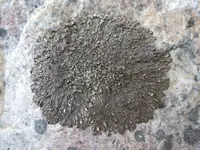
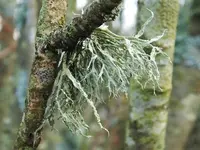
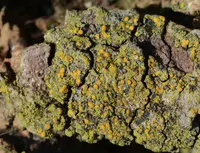
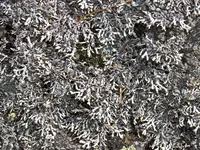
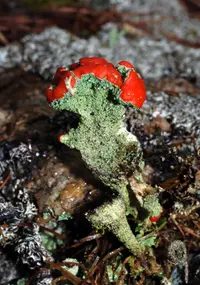
Cup lichen (Cladonia coccifera) is a small, slow-growing lichen, not a true plant, formed by a partnership between a fungus and photosynthetic algae. It typically forms tiny, upright cups or trumpets with red fruiting tips, often scattered across rock, soil, or decaying wood.

This species is common in cool, open habitats such as heathlands, moorlands, coastal cliffs, and boreal forests, especially in nutrient-poor, acidic substrates. It is sensitive to air pollution and physical disturbance, which can make it challenging to maintain in cultivation.

Those who want to learn how to care for cup lichen should know it prefers bright, indirect light, consistently cool, moist air, and very well-drained, sandy or rocky material with minimal nutrients.

Main Plant Requirements

Care Difficulty

Hard Care

Light Preference

Partial Shade

Water Requirements

Keep Soil Moist

Temperature Preference

Cold Hardy

Hardiness Zone

2–7

Soil Texture

Sandy, Rocky, Peaty

Soil pH

Strongly acidic (4.5–5.5)

Soil Drainage

Moist but well-drained

Fertilization

Minimal (feed rarely)

Get Personalized Care Plan

Scan your plant to receive care tips personalized for your specific plant

Available on iOS and Android

How to Care for the cup lichen

This lichen prefers bright, cool conditions that mimic open, northern or coastal habitats.

  • Provide 3–6 hours of soft morning sun or bright, open shade; avoid intense afternoon sun, especially in summer.
  • Cup lichen tolerates light dappled shade, but dense shade for many weeks leads to paler, weakened growth and slower expansion.
  • In hot climates, use filtered light or high, thin shade in summer; in cooler regions, it can handle more direct low-angle autumn and winter sun.

Cladonia coccifera needs moisture from rain, mist, or dew but is sensitive to constant saturation.

  • Allow the substrate surface to dry between wettings; re-wet when it feels dry and the thallus looks less plump or slightly dull.
  • Use sharply draining, sandy or gritty material so water runs through within seconds, preventing standing water around the base.
  • In warmer, windy weather, moisture is needed more often; in cool or damp seasons, reduce watering and avoid extended soggy conditions that promote rot or algae.

This lichen is naturally adapted to cool to cold climates but can tolerate a fairly wide temperature range.

  • Optimal active growth occurs around 40–65°F (4–18°C), with slow but steady development in consistently cool, moist air.
  • It usually survives down to about 5–15°F (-15 to -9°C) under natural conditions, especially with some snow cover acting as insulation.
  • Heat above 80°F (27°C), especially when dry and in full sun, stresses the thalli, so provide shade and extra ambient humidity during hot spells.

This lichen needs consistently moist air and surface conditions rather than classic indoor humidity targets.

  • Aim for 70–95% ambient humidity by placing colonies in naturally damp, cool, shaded outdoor spots or an unheated greenhouse.
  • It tolerates short dry spells but prolonged air below ~50% with full sun causes bleaching, brittleness, and crumbling podetia.
  • Increase local humidity with nearby trays of wet gravel, frequent fine misting of the substrate (not soaking), or by positioning near mossy, moisture-retentive surfaces for caring for cup lichen.

This species grows best on very lean, acidic, sharply drained substrates rather than typical potting mixes.

  • Use a mineral-based mix such as 60–80% coarse sand or fine grit with 20–40% low-nutrient material like milled peat or fine bark.
  • Keep drainage fast so water runs through in seconds; a thin surface crust of sand or grit helps prevent waterlogging around the thallus.
  • Target an acidic pH around 4.0–5.5, avoiding lime or calcium-rich amendments that raise pH and suppress Cladonia coccifera development.
  • Avoid rich compost, manures, fertilizers, or heavy loam, which encourage competing plants and retain excess moisture around the lichen.

This lichen can be grown in shallow containers mainly for display or study rather than vigorous growth.

  • Choose wide, shallow dishes or trays that allow lateral spread and rapid surface drying instead of deep moisture-retentive pots.
  • Use containers with many small drainage holes so brief watering drains off quickly without pooling at the base of the lichen.
  • Prefer unglazed clay or stone containers outdoors to increase stability and allow some side evaporation, which prevents stagnant, saturated conditions at the substrate edge.

Cladonia coccifera is adapted to very nutrient-poor habitats and generally should not be fertilized in cultivation.

Cladonia coccifera needs minimal intervention, but light pruning can keep cultivated patches tidy and healthy.

  • Carry out any tidying in late winter or early spring, before strong new growth starts.
  • Pinch off or gently twist away dead, decayed, or heavily algae-covered podetia and cups.
  • Remove crowded, collapsing tufts to improve air flow and reduce moisture trapping on the surface.
  • Use fingers or soft tweezers rather than blades to avoid crushing the delicate lichen structure.

This lichen is rarely grown in conventional pots, so focus on careful transplanting of small mats rather than routine repotting.

  • Transplant only when growth declines, the substrate breaks down, or you need to relocate a colony from a vulnerable site.
  • Choose cool, overcast conditions in spring or early fall to limit desiccation stress.
  • Lift thin mats with a shallow layer of original substrate attached, disturbing the base as little as possible.
  • Place onto a similarly poor, well-drained, acidic medium, then keep slightly humid and shaded until reattached.

Propagation of Cladonia coccifera is slow and specialized, relying mainly on fragmentation of existing colonies rather than seed-like structures.

  • Gently break off small, healthy tufts or cups along with their crustose base and a little original substrate.
  • Carry out division in cool, moist weather to reduce drying of the fragments.
  • Press fragments lightly onto a low-nutrient, acidic, well-drained surface such as sand and fine bark.
  • Maintain high ambient humidity, bright indirect light, and excellent air movement; visible expansion can take many months.

Cup lichen is naturally cold hardy and usually needs no special winter protection in outdoor temperate conditions.

  • Leave outdoor colonies exposed to normal frost and snow, which they tolerate well when attached to suitable substrate.
  • Ensure containers drain freely so the base does not sit in waterlogged, frozen media.
  • If grown in shallow trays, place in a cold, bright, sheltered spot to avoid repeated freeze–thaw water pooling.

Care Tips

Use mineral substrates

Establish colonies on inert, slightly acidic materials such as weathered lava rock, granite grit, or unglazed clay shards instead of organic potting mixes, which helps prevent rot and better mimics its natural rocky habitat.

Create micro-topography

Arrange stones, bark pieces, and small ridges in the container so water drains into tiny depressions while the lichen itself sits on higher, drier points, reducing the risk of prolonged saturation around the thalli.

Limit handling contact

Handle only the base material (rock, bark, or soil crust) rather than the fruiting cups, since the fragile podetia break easily and repeated touching can damage reproductive structures and slow regrowth.

Provide clean air

Place the culture in an area with good air exchange away from vehicle exhaust, heaters, and cigarette smoke, because lichens are sensitive to airborne pollutants and may decline even when light and moisture seem adequate.

Seasonal moisture shifts

Slightly increase misting frequency in cooler seasons and reduce it in warm, stagnant summer conditions, as this approximates natural dew cycles and supports long-term stability when caring for cup lichen.

Common Pests and Diseases

Lichenicolous fungi

This disease appears when specialized fungi grow directly on the lichen thallus, causing local discoloration, wart‑like swellings, or necrotic spots. Symptoms include loss of the normal pale green color and gradual tissue death in affected areas.

Solution

Remove and discard heavily colonized fragments to reduce spread, then improve air movement and keep the lichen in a cool, bright, low‑nutrient environment. Avoid fertilizing or wetting the lichen for long periods, and keep nearby mosses and debris trimmed so conditions stay dry between waterings.

Snail and slug grazing

These pests feed on the soft podetia and apothecia, leaving irregular bite marks, torn tips, or missing patches of lichen. Symptoms include shredded cups and small slime trails on or near the colony.

Solution

Hand‑pick snails and slugs at dusk or early morning, remove hiding places such as dense moss and leaf litter, and keep the growing surface slightly more open and dry. In outdoor or terrarium setups, use physical barriers like copper tape or fine mesh and apply iron phosphate bait around, not on, the lichen if grazing pressure is severe.

Mite damage

These insects are tiny arachnids that can graze on lichen surfaces, causing a dull, roughened texture and fine speckling where tissue has been scraped. Symptoms include reduced vigor and gradual thinning of the cups in confined or overly dry setups.

Solution

Increase humidity slightly while maintaining strong airflow, then gently rinse the lichen with a soft stream of water to dislodge mites. If needed, apply a light, lichen‑safe insecticidal soap to surrounding substrates rather than directly saturating the thallus, and avoid long periods of heat and dryness that favor mite buildup.

Algal overgrowth

This disease state occurs when free‑living green algae overgrow the lichen surface in persistently wet, nutrient‑rich conditions, forming a slimy or dark green film. Symptoms include loss of the normal powdery texture and slow decline of the lichen underneath the algal layer.

Solution

Reduce watering frequency, increase light and airflow, and avoid any fertilizer or nutrient runoff over the lichen. Gently tease away heavy algal mats with tweezers or a soft brush, and keep the colony on a low‑nutrient mineral substrate to maintain stable, healthy growing cup lichen conditions.

Interesting Facts

Red apothecia tips

This lichen develops bright red, disc-like fruiting bodies at the ends of its podetia, which contain the sexual spores and are used as a key feature for distinguishing it from other matchstick lichens.

Acidic soil specialist

It commonly colonizes nutrient-poor, acidic substrates such as peaty soils, heathlands, and disturbed ground, contributing to early stages of soil development and stabilization in these harsh environments.

Multiple chemical strains

Populations can differ in their secondary chemistry, producing distinct sets of lichen acids such as didymic or squamatic acids, which lichenologists use as taxonomic characters in Cladonia coccifera care research and identification.

Botan icon

Did you know?

This species was historically confused with several closely related red-fruited Cladonia species, and modern lichenology often requires a combination of microscopy and chemical spot tests to confirm its identity with confidence.

FAQs about cup lichen

This species grows very slowly, often only 1–5 mm per year under natural conditions. Growth depends on clean air, stable moisture, and low disturbance. Even in cultivation, expectations should stay modest when growing cup lichen on substrates like stone or bark.

Grow Healthy Plants with Botan Care

Keep your plants happy and healthy with plant identification, disease detection, and easy care guidance.


Botan plant care app — identify plants on mobile

Explore More Plants