18 Tiny Black Bugs That Look Like Poppy Seeds
Tiny black bugs may be fungus gnats, aphids, thrips, or other pests—each requiring different treatment. Below, learn how to identify 18 common pests, recognize their damage, and get rid of them.

On this page
- 1. Fungus Gnats — Most Popular One
- 2. Thrips
- 3. Fruit Flies
- 4. Cluster Flies
- 5. Ticks
- 6. Booklice
- 7. Bed Bugs
- 8. Bird Mites
- 9. Spider Beetles
- 10. Springtails
- 11. Drugstore Beetles
- 12. Carpet Beetles
- 13. Grain Weevils
- 14. Black Aphids
- 15. Flea Beetles
- 16. Soil Thrips
- 17. Black Vine Weevil
- 18. Black Scale
- How to Identify Tiny Black Bugs
- Quick Reference: How to Tell One Bug From Another
- Why Do Plants Get Black Bugs?
- How to Get Rid of Small Black Bugs
- Identify the Pest First
- Quarantine the Plant
- Manual Removal
- Switch Up Watering
- Set Sticky Traps
- Spray With Insecticidal Soap or Neem Oil
- Bring in Beneficial Bugs
- Last Resort: Systemic Options
You spotted tiny black bugs that look like poppy seeds on your plant or kitchen counter. Those dots could be loads of different critters: fungus gnats, aphids, thrips, the list goes on. Each one needs a different fix, so guessing wrong wastes time.
Snap a picture of the bug or the affected plant and let Botan tag the culprit in seconds. Below are descriptions of 18 of the most common pests, the damage they cause, and how to get rid of them for good.
1. Fungus Gnats — Most Popular One
.jpg%3F2026-07-23T03%253A54%253A15.099Z&w=2880&q=75)
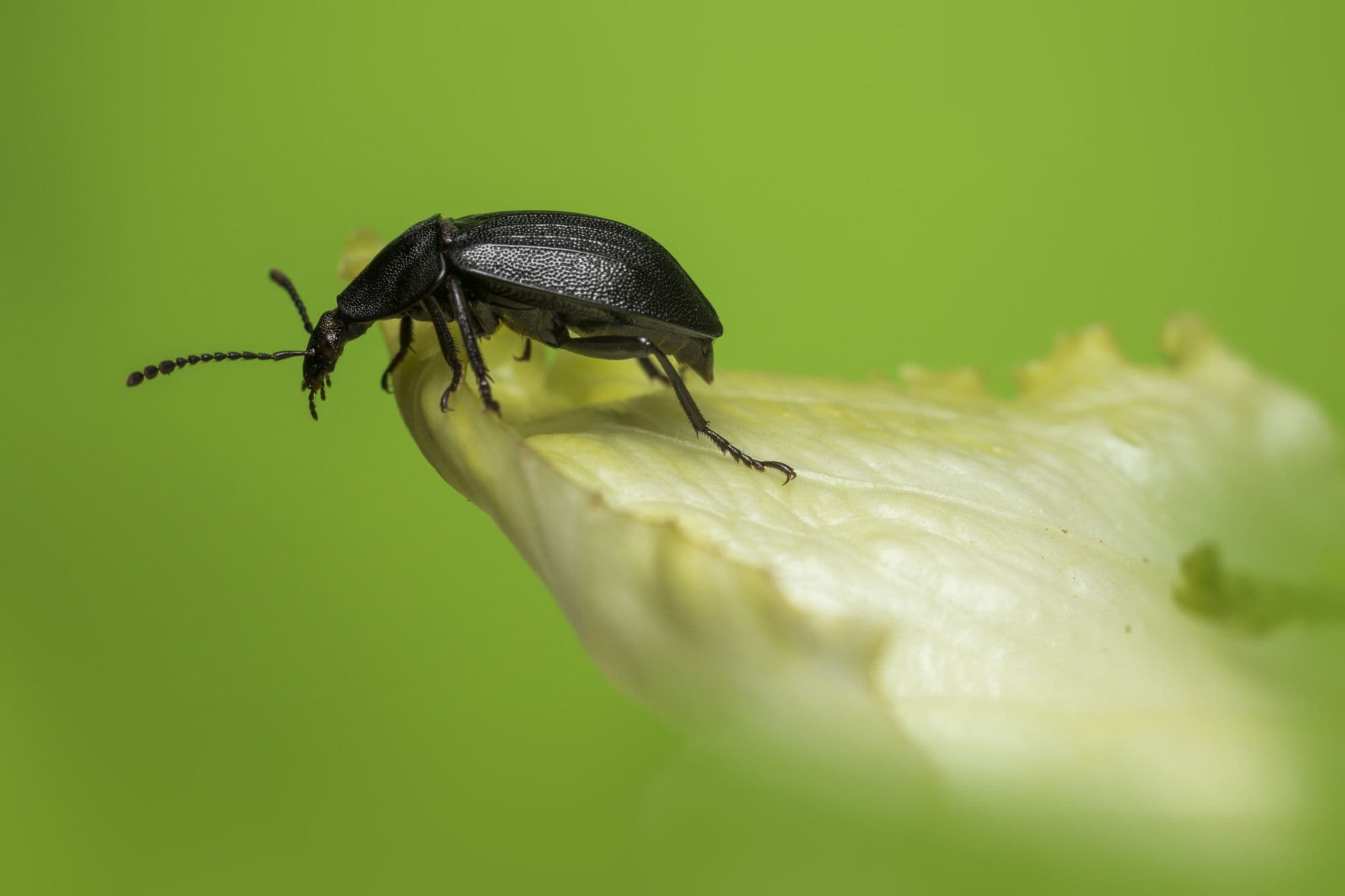
Fungus gnats are the reigning champ of houseplant pests. Adults swarm around any pot that remains damp for too long. However, it's the larvae that cause the most damage. They live in the soil, feeding on the roots, causing a healthy plant to suddenly wilt for no apparent reason.
- Size: 2-4 mm
- Where found: Wet soil, drainage tray
- Harm: Larvae nibble roots, leaves turn yellow
- How to remove: Dry the soil, slap a yellow sticky trap on the pot. Drench with a 1:4 hydrogen peroxide-water mix once a week
2. Thrips

Thrips are skinny insects with a vampire streak. They pierce leaves and slurp the juice. You'll see the leaf damage before you spot the bug — silver streaks across the foliage with tiny black specks of frass або small black droppings.
- Size: 1–2 mm
- Where found: Underside of foliage, flower buds
- Harm: Silvery patches, twisted growth, virus spread
- How to remove: Blue sticky cards beat yellow for thrips. Neem oil weekly, hose the plant in the shower
3. Fruit Flies

Fruit flies turn light or dark brown when they attack overripe bananas. They breed in compost bins and at the bottom of garbage cans — basically, anywhere food accumulates and rots.
- Size: 3-4 mm
- Where found: Kitchen, near drains and fruit bowls
- Harm: Spread bacteria, contaminate food
- How to remove: Set out a small bowl of apple cider vinegar with a drop of dish soap to trap adult fruit flies, remove overripe fruit and trash regularly, and flush the drain with hot water as needed
4. Cluster Flies

Cluster flies are bigger than the rest on this list, but people still confuse them for seeds when a dozen are huddled on a sill. Pile inside during fall to ride out winter, they won't bite.
- Size: 6-10 mm
- Where found: Window frames, attics, wall voids
- Harm: Mostly an eyesore, they leave brown stains
- How to remove: Vacuum, caulk gaps around windows, and screen the vents
5. Ticks

Ticks are arachnids, technically. An unfed deer tick looks just like a poppy seed with legs. They latch onto skin and feed. Some carry Lyme, which is the actual problem.
- Size: 1-5 mm unfed
- Where found: Pets, tall grass, leaf piles
- Harm: Disease transmission to people and pets
- How to remove: Pick up the tick using a napkin/bag and throw it into the sink or toilet. If the tick is attached, pull it straight up with tweezers, without twisting, and place it in a plastic bag. The CDC has solid guidance on what to do next
6. Booklice

Booklice aren't actually lice — up close, they're tiny black bugs that feed on mold and starch. Mostly a sign you've got a humidity problem.
- Size: 1-2 mm
- Where found: Old books, cardboard, damp corners
- Harm: They don't bite. They will wreck paper, though
- How to remove: Run a dehumidifier, pitch anything moldy, and vacuum the cracks
7. Bed Bugs

Bed bug adults look like flattened apple seeds. Nymphs run smaller and turn dark after a meal. They feed at night — check sheets for blood specks if you're getting weird welts in the morning.
- Size: 1-5 mm
- Where found: Mattress seams, baseboards, sofa cushions
- Harm: Itchy bites, sometimes allergic reactions
- How to remove: Hot-wash all bedding, steam-clean the seams. Heavy infestations need a professional cleaning
8. Bird Mites

They hitchhike in from old nests under the eaves and look like moving specks of dirt. Once the bird host leaves, they'll bite people for a meal.
- Size: Under 1 mm
- Where found: Window frames, near abandoned nests
- Harm: Itchy bites, skin irritation
- How to remove: Pull down empty nests, vacuum frames. Wipe surfaces with diluted alcohol
9. Spider Beetles

These pests have round bodies and long legs. From a shelf away, they pass for a single seed sitting there. Roam at night and crash into dry food.
- Size: 1-5 mm
- Where found: Stored grain, kibble, cereal
- Harm: Contaminate pantry stuff
- How to remove: Toss the infested food, and move dry goods into glass jars. Vacuum the corners
10. Springtails

Springtails hop when poked. They like damp soil and rotting plant matter. Harmless to plants. They're really telling you the potted plants are too wet.
- Size: 1-3 mm
- Where found: Soggy soil, basements, tubs
- Harm: None really
- How to remove: Dry the soil and fix the leak. If they keep coming back, repot with fresh mix
11. Drugstore Beetles

Drugstore beetles are reddish-brown in color, but appear like small black bugs on a white shelf. They eat books, dried herbs, dry pet food, and even aspirin. They are not picky eaters.
- Size: 2-3.5 mm
- Where found: Pantries, medicine cabinets, spice racks
- Harm: Wreck stored goods, lay eggs in food
- How to remove: Throw out the source and freeze new dry goods for 72 hours before storing. Wipe shelves down
12. Carpet Beetles

Adult carpet beetles are oval-shaped and look like little black bugs. Larvae do the worst of the damage; they eat wool, silk, fur, basically anything natural.
- Size: 2-3 mm
- Where found: Carpets, closets, under furniture
- Harm: Holes in clothes, ruined rugs
- How to remove: Vacuum edges hard, and hot-wash fabrics. Sticky traps catch the adults
13. Grain Weevils

They have long snouts that look like a Pinocchio nose if you zoom in. Drill into rice and wheat. Color sits somewhere between brown and black, depending on age.
- Size: 2-3 mm
- Where found: Pantry staples, flour bags
- Harm: Spoil grain, lay eggs inside the kernels
- How to remove: Trash the infested bag, freeze new grain for four days first. A bay leaf in the container helps
14. Black Aphids

Aphids are soft-bodied pests that congregate on tender stems and young shoots. They suck plant sap and leave behind a sticky honeydew that ants love.
- Size: 1-3 mm
- Where found: Tender shoots, leaf undersides
- Harm: Stunted growth, sooty mold, virus transmission
- How to remove: Spray with soapy water and cut off the most damaged stems
15. Flea Beetles

These beetles hop like fleas when a leaf moves and chew tiny, round holes that look like buckshot. They love arugula, apparently.
- Size: 1.5-3 mm
- Where found: Garden veggies, eggplant, radish
- Harm: Holes everywhere on leaves, weak seedlings
- How to remove: Row covers do most of the work. Diatomaceous earth as backup. Neem oil sprays
16. Soil Thrips

Soil thrips live in the top one-inch layer of soil, where they pupate. Adults emerge to feed on roots and young seedlings.
- Size: 1-2 mm
- Where found: Contaminated sterilized soil, the root zone
- Harm: Root damage, droopy seedlings, plant health dips
- How to remove: Drench with beneficial nematodes. Scrape off the top inch of soil or repot with fresh mix
17. Black Vine Weevil

Adults notch leaf edges at night and hide in the dirt by day. Larvae are way worse — they chow underground and kill roots before you notice anything.
- Size: 8-12 mm adults (look seed-like from across the room)
- Where found: Container plants, rhododendron, yew
- Harm: Adults chew leaves, larvae kill roots
- How to remove: Hand-pick after dark with a flashlight, sticky barriers around pot rims
18. Black Scale

Black scales lie motionless on the stems, resembling raised pinheads. You won't notice them for weeks. They slowly suck out the sap, and the plant is completely emptied from the inside.
- Size: 2-5 mm
- Where found: Stems and leaves of citrus, ficus, schefflera
- Harm: Yellowing, sooty mold, branch dieback
- How to remove: Scrape off with a fingernail, dab with rubbing alcohol on a cotton swab. Horticultural oil follow-up
How to Identify Tiny Black Bugs
Identifying the species right is a complex process if you do it manually. Note where you found it first — soil, skin, pantry, fabric. Then check size, body shape, and whether the bug hops, crawls, or just sits there. However, a close-up phone shot helps a lot. The Botan App reads plant pests from a photo, so it's a quick first step when the critter is on or near greenery.

Quick Reference: How to Tell One Bug From Another
A lookup table for the 18 little black bugs covered above. Check it carefully before grabbing a spray bottle.
Pest | Size | Where Found | Main Damage | Key Sign |
Fungus Gnats | 2–4 mm | Soil surface | Root damage (larvae) | Flying near pot |
Thrips | 1–2 mm | Leaf undersides | Silvery streaks | Black poop dots |
Fruit Flies | 3–4 mm | Near fruit | Food contamination | Swarming ripe fruit |
Cluster Flies | 6–10 mm | Windowsills | Wall stains | Crowding warm spots |
Ticks | 1–5 mm | Skin, pets, grass | Disease spread | Latched on skin |
Booklice | 1–2 mm | Damp paper | None direct | Specks on books |
Bed Bugs | 1–5 mm | Mattress seams | Bites at night | Welts in a line |
Bird Mites | <1 mm | Window frames | Bites | Tiny moving dots |
Spider Beetles | 1–5 mm | Pantry | Food spoilage | Round body, long legs |
Springtails | 1–3 mm | Moist soil | None | Jumping when poked |
Drugstore Beetles | 2–3.5 mm | Pantry, books | Food damage | Holes in packaging |
Carpet Beetles | 2–3 mm | Carpets, closets | Holes in fabric | Shed larvae skins |
Grain Weevils | 2–3 mm | Stored grain | Spoiled grain | Snout on head |
Black Aphids | 1–3 mm | Stems, shoots | Sap loss, viruses | Sticky honeydew |
Flea Beetles | 1.5–3 mm | Garden plants | Holes in leaves | Hopping when touched |
Soil Thrips | 1–2 mm | Top of soil | Root damage | Specks in mix |
Black Vine Weevil | 8–12 mm | Container plants | Root + leaf damage | Notched leaf edges |
Black Scale | 2–5 mm | Stems | Sap loss | Bumps don't move |
If two or three rows match those observed, start treatment with the most likely one and observe the results for a week.
Identify Your Plant's Issues Early
Identify plant problems before they spread
Why Do Plants Get Black Bugs?
Pests don't show up out of thin air; most tiny black bugs in houseplants ride in on something. This may be a new pot from the nursery, a fresh bag of soil, or a bouquet on the counter. Some hitch on your shoes, some come in on the dog.
Damp soil is the single biggest cause. Overwater a pot, and you've built fungus gnats. Springtails love it too. Stagnant air helps thrips and aphids settle on leaves because no breeze means nothing dislodges them.
Plant stress matters more than people think. A weak plant from low light, bad drainage, or hungry roots puts out chemical signals that draw sap-feeding insects. A healthy plant resists.
Outdoor pots coming inside for winter are a top entry route for little black bugs in house plants. Inspect every pot for pest and disease risks before it crosses the threshold. A quick check under the leaves and along the soil line saves a full-house outbreak later.
How to Get Rid of Small Black Bugs
Small black bugs can appear suddenly on houseplants, garden leaves, windowsills, or damp corners. The good news is that getting rid of aphids and other small black bugs indoors and outdoors is a simple task if you know what to do. The right approach depends on the type of insect, but in most cases, a few steps are sufficient. Follow them in order before resorting to harsh chemicals.

Identify the Pest First
Treatments that kill fungus gnats don't help against scale insects. The wrong approach only wastes time and further damages the plant. Take a photo, compare it to the table above, or use a plant ID tool. Once you identify the small black bug, everything will become clear.
Quarantine the Plant
Move the infected pot to a spare room or bathroom. Two weeks of isolation will prevent the pests from spreading to other plants until the treatment takes effect. Check nearby pots daily for the first signs of infestation.
Manual Removal
To kill larger pests, such as weevils or scale insects, pick them off by hand. Wipe the stems with a cotton swab soaked in 70% alcohol. If aphids are present, spray the plant with water from the shower or sink. This will quickly reduce the pest population without spraying.
Switch Up Watering
Most small black bugs in houseplant soil thrive in a soggy mix. Let the top inch dry between waterings. Repot in fresh, sterilized soil if the current dirt smells funky or stays wet for days.
Set Sticky Traps
Yellow traps catch flying adults such as midges and winged aphids. Blue traps are better for thrips. For midges, they should be placed at ground level; for thrips, near foliage. Counting the number of insects caught will indicate whether the situation is improving.
Spray With Insecticidal Soap or Neem Oil
Soap dissolves the waxy coat on soft-bodied bugs like aphids. Neem oil disrupts feeding and breeding cycles. Spray every 5-7 days for three weeks to catch each life stage. Hit leaf undersides — that's where most of them live.
Bring in Beneficial Bugs
Beneficial nematodes wipe out soil-dwelling larvae. Ladybugs and lacewings eat aphids and scale. Predatory mites take down spider mites and thrips. Garden centers stock these or you can order online — this is a great solution for indoor gardens where sprays aren't ideal.
Last Resort: Systemic Options
For repeat or heavy infestations, systemic products soak into plant tissue and kill bugs as they feed. Read labels closely and avoid these on edibles unless the bottle says food-safe. The EPA pesticide database lists approved products by pest type.
Keep up pest control weekly, even after the bugs vanish. Eggs can sit dormant and hatch later. A monthly wipe-down of leaves with a damp cloth catches problems early and keeps plant health on track.
FAQ
Most cause harm to plants rather than people. Aphids, thrips, and scale weaken plant health by stealing sap, while gnat larvae chew roots and stunt growth.
Dariia Plaksina
Botanist
5 years of botanical research experience
Dariia Plaksina is a biologist, botanist, and writer of informational articles with over 5 years of experience exploring the world of plants, nature, and biology. She studied at Taras Shevchenko National University of Kyiv, Educational and Scientific Center “Institute of Biology and Medicine,” where she built a strong scientific foundation for her future work.
For Dariia, writing is a hobby, a calling, and a way to make reliable knowledge easier to understand. Her articles focus on plant care, plant health, and natural processes, helping readers learn more about the living world through clear, accessible, and science-based explanations.
Related Articles
5 min read · 16 Sept 2026
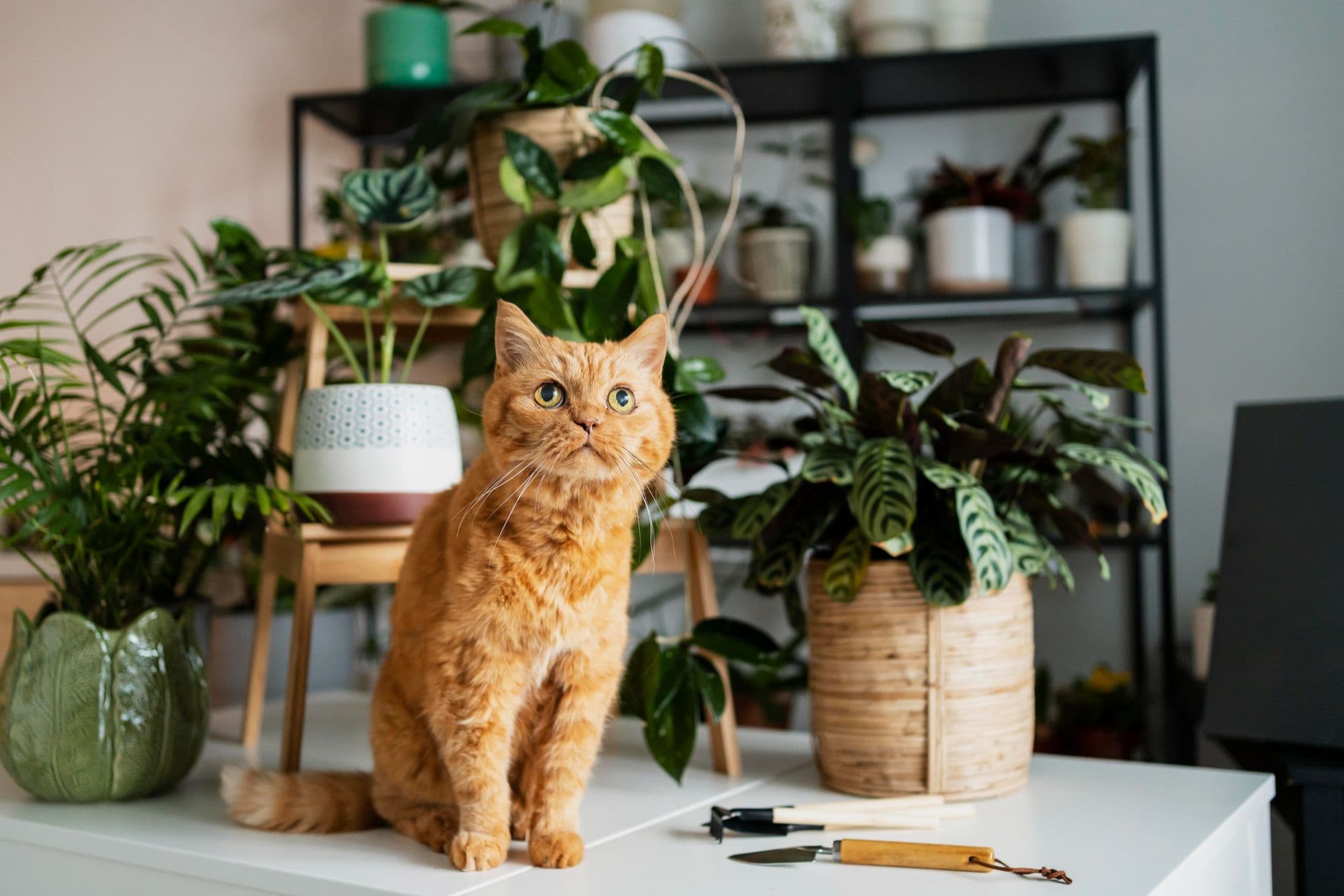
How to Keep Cats Away From Plants: 7 Safe and Effective Methods
Cats may dig in potting soil, chew leaves, or knock containers over. These seven methods combine safer placement, physical protection, a suitable chewing alternative, and play to help protect your plants without putting your cat at risk.
5 min read · 7 Sept 2026
Overwatering vs Underwatering: How to Tell the Difference
Overwatering and underwatering can look almost identical, so they're easy to confuse. In this guide, we'll cover the signs of each, simple ways to tell them apart, and how to treat your plant once you know what's wrong.
7 min read · 26 Aug 2026
Brown Spots on Basil Leaves: Causes and How to Fix Them
Brown spots can appear after watering mistakes or disease. Cold exposure and pests leave a distinct pattern too. Learn how to diagnose damaged basil and prevent new marks.
Explore Plants by Care Needs
Identify the plant and problem. Help your plant recover
Identify plant problems early, understand what's wrong, and get clear care guidance. Botan helps you turn guesswork into confident plant care