prairie sagewort Care (Artemisia frigida)

Also known as: fringed sagebrush, Pasture Sage, prairie sagebrush
prairie sagewort

About prairie sagewort

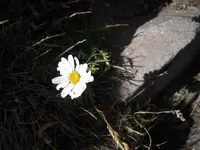
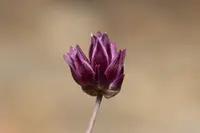
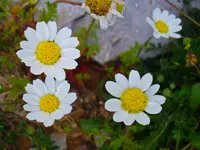
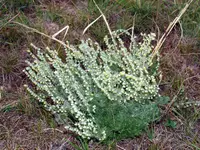
Prairie sagewort (Artemisia frigida) is a low, finely textured perennial subshrub in the daisy family, often forming soft, spreading mounds. Its gray-green, deeply divided leaves and small, nodding flower heads give it a feathery, silvery look in the landscape.

This species is native to dry grasslands and open slopes across North America and parts of Eurasia, where it thrives in wind, sun, and poor soils. It is valued for drought tolerance, cold hardiness, and resistance to browsing, which makes it relatively easy to establish in tough sites.

Those planning how to care for prairie sagewort should know it prefers full sun, well-drained soil, and only occasional moisture once established.

Main Plant Requirements

Care Difficulty

Easy Care

Light Preference

Full Sun

Water Requirements

Low Water

Temperature Preference

Cold Hardy

Hardiness Zone

3–10

Soil Texture

Sandy, Loamy, Rocky

Soil pH

Slightly acidic (6.5–7.0), Slightly alkaline (7.0–7.5)

Soil Drainage

Well-drained

Fertilization

Minimal (feed rarely)

Get Personalized Care Plan

Scan your plant to receive care tips personalized for your specific plant

Available on iOS and Android

How to Care for the prairie sagewort

This drought-tolerant subshrub thrives in bright, open sites with strong sun exposure.

  • Provide 6–8 hours of direct sun daily; full sun promotes compact growth and stronger aroma in prairie sagewort.
  • Plant where it receives morning to early afternoon sun; light afternoon shade in very hot, dry climates helps prevent leaf scorch.
  • In cooler seasons or cloudy regions, choose the brightest, south- or west-facing exposure; in dense shade stems elongate, foliage thins, and plants become floppy.

This species prefers dry, fast-draining conditions and is highly sensitive to excess moisture.

  • Allow the top 5–8 cm of soil to dry completely before watering; in arid climates this may mean long intervals between rain or irrigation.
  • Use sharply drained, sandy or gravelly soil so water runs through quickly; standing water, soggy spots, or heavy clay lead to root rot in Artemisia frigida.
  • Reduce or stop supplemental watering in fall and winter; signs of overwatering include yellowing, limp stems and dieback, while extreme underwatering causes crisp, brittle foliage.

This cold-hardy perennial tolerates wide temperature swings but performs best within a moderate range.

  • Active growth occurs around 60–75°F (16–24°C); plants remain compact and foliage quality is highest in these conditions.
  • Established plants tolerate winter lows near -30°F (-34°C) with good drainage; freeze-thaw cycles in wet soil are more harmful than deep, dry cold.
  • In summer, it handles heat up to about 90–95°F (32–35°C) if soil is dry and air is moving; prolonged hotter periods may cause temporary leaf bronzing and slower growth.

This drought-adapted species prefers dry air and does not need supplemental humidity.

  • Target 25–40% relative humidity, similar to arid or heated indoor environments.
  • Plant away from constantly damp microclimates, such as next to humidifiers or bathrooms, to reduce fungal risk on prairie sagewort foliage.
  • If kept in unusually humid areas, increase air movement with a fan and space plants apart to prevent leaf yellowing and mildew.

This species thrives in lean, fast-draining, often sandy soil that mimics dry, open habitats.

  • Use a sandy or gravelly mix such as 50% cactus potting soil and 50% coarse sand or fine grit for Artemisia frigida.
  • Ensure very rapid drainage; raised beds or mounded planting sites help water run off and protect roots from saturation.
  • Aim for slightly alkaline to neutral pH (about 7.0–8.0); avoid strongly acidic, peat-heavy mixes that stay wet.
  • Limit rich compost to a thin surface layer at planting only, since high organic content and prolonged moisture encourage weak, floppy growth and root rot.

This species is suitable for containers if the pot is set up to drain and dry quickly.

  • Choose a wide, shallow, unglazed clay pot that speeds evaporation and supports this species’ shallow, spreading root system.
  • Fill the container’s bottom third with coarse mineral material such as gravel or pumice to keep the drainage holes from clogging.
  • Position the container where wind can reach the foliage without tipping the pot, using a heavier base or grouping pots for stability in exposed sites.

This drought-adapted perennial needs only light feeding, especially in poor soils, to keep foliage dense without becoming lush and floppy.

  • Apply a thin layer of compost around plants in early spring to replenish nutrients without overfeeding.
  • Optionally use a balanced, slow-release fertilizer (around 10-10-10) at 1/2 strength once in spring for prairie sagewort in lean soils.
  • Avoid summer and fall feeding; excess nutrients reduce drought tolerance and can weaken stems.
  • Do not fertilize during winter dormancy; allow Artemisia frigida to rest with minimal nutrient input.

Pruning supports a compact, tidy form and maintains healthy foliage on Artemisia frigida.

  • In late winter or very early spring, lightly shear back old, woody stems to encourage fresh basal growth.
  • During the growing season, remove dead, damaged, or overly crowded shoots with clean hand pruners.
  • Deadhead spent flower stalks if a denser, more cushion-like shape is desired.
  • Avoid cutting into very old, thick wood; focus on younger stems to reduce stress and encourage regrowth.

This species is usually grown in the ground, so focus on careful transplanting rather than frequent repotting.

  • Transplant in early spring or early fall when temperatures are mild and soil is workable.
  • Move plants only when growth is poor, clumps are overcrowded, or a better-drained site is available.
  • Lift with a wide root ball, keep roots intact, and set at the same depth in well-drained, sandy or gravelly soil.
  • Water thoroughly after transplanting, then reduce watering as the plant re-establishes to avoid root rot.

Artemisia frigida is commonly propagated by division, softwood cuttings, and seeds in suitable conditions.

  • Divide mature clumps in early spring, replanting sections with several shoots and a healthy root portion.
  • Take soft, non-flowering stem cuttings in late spring, root in a gritty, fast-draining mix, and maintain moderate moisture.
  • Sow seeds on the surface of well-drained mix in spring; provide light, consistent moisture, and good air circulation.
  • Space new plants adequately to allow airflow and prevent overcrowding as they mature.

This species is very cold hardy and generally needs minimal winter care in most climates.

  • Artemisia frigida tolerates freezing temperatures and snow once established in well-drained soil.
  • In very cold or exposed sites, apply a light mulch around the root zone after the ground cools, avoiding crown burial.
  • Leave some top growth over winter to catch snow and then cut back dead stems in late winter or early spring.

Care Tips

Encourage Dense Mounding

Lightly shear back the plant by 2–3 cm after the first flush of growth in late spring to promote a tighter, more compact mound and reduce splitting at the center.

Improve Winter Drainage

In cold, wet climates, plant on a low berm or raised strip of soil and top-dress with a 2–3 cm layer of gravel to prevent crown rot during winter thaws and freeze–thaw cycles.

Use Gravel Mulch

Replace organic mulches with a thin gravel or coarse sand mulch around the base to keep stems dry, reflect heat, and suppress weeds without increasing soil moisture.

Control Self-Seeding

Deadhead most flower stalks before seeds set, leaving only a few for wildlife or intentional reseeding, to prevent unwanted spread into nearby beds or native areas.

Support Sandy Slopes

When growing prairie sagewort on sandy or gravelly slopes, stagger plants in a zigzag pattern 25–30 cm apart so their roots knit the soil together and reduce erosion more effectively.

Common Pests and Diseases

Artemisia aphids

This pest forms dense colonies on young stems and undersides of leaves, sucking sap and causing curling, yellowing, and sticky honeydew deposits. Symptoms include reduced vigor and sometimes sooty mold growing on the honeydew.

Solution

Prune off heavily infested tips and spray the plant with a strong stream of water to dislodge colonies. If needed, apply an insecticidal soap or a light horticultural oil, making sure to coat the undersides of leaves, and encourage natural predators such as lady beetles by avoiding broad-spectrum insecticides nearby.

Leaf miners

These insects create narrow, winding, pale tunnels inside leaves, which can give foliage a blotchy or serpentine appearance. Damage is usually cosmetic but can reduce photosynthesis on small, stressed plants.

Solution

Remove and discard mined leaves to interrupt the insect life cycle and reduce future generations. For persistent problems, use a systemic insecticide labeled for leaf miners on ornamental perennials, applying according to label directions and timing treatments early in the season when adults are active.

Powdery mildew

This disease appears as white to gray, powdery patches on leaves and stems, often starting on crowded or shaded growth. Symptoms include distorted new growth and gradual loss of vigor if the infection is heavy.

Solution

Thin or divide dense clumps to improve airflow, avoid overhead watering, and remove the worst-affected stems. In humid climates or during wet periods, apply a sulfur or potassium bicarbonate fungicide labeled for ornamentals at the first sign of powdery patches, repeating as directed on the label.

Rust

This disease causes small yellow spots on upper leaf surfaces and orange to brown pustules on the undersides, which can shed powdery spores. Symptoms include premature leaf drop and a generally tired appearance to the foliage later in the season.

Solution

Promptly remove and destroy infected leaves and any heavily affected stems to reduce spore spread. Improve spacing and air movement, avoid wetting the foliage, and use a protective fungicide labeled for rust on ornamentals if the problem recurs yearly, applying before severe symptoms develop.

Stem and crown blight

This disease affects dense, older clumps, causing sudden wilting, browning, and dieback of stems from the base, especially in poorly drained or overly irrigated sites. Symptoms include dark, discolored crowns and a thinning patch of foliage in the center of the plant.

Solution

Cut out and discard all blighted stems and rotted crown tissue, then adjust irrigation to keep the soil on the dry side, which suits normal Artemisia frigida care. In heavy soils, improve drainage by adding grit or raising the planting area, and consider dividing and replanting only healthy outer portions of the clump in a drier, sunnier location.

Interesting Facts

Cold-steppe specialist

This species is native to dry, open steppes and prairies across North America and Eurasia, and its finely divided, low foliage helps it tolerate strong winds and temperature extremes typical of these habitats.

Strongly aromatic foliage

The leaves contain aromatic compounds that produce a pungent sage-like scent when crushed, which can help deter many grazing animals and some insects.

Soil stabilizing cushion

Its dense, mat-forming growth and woody base help bind poor, sandy, or gravelly soils, so it often acts as a natural stabilizer on disturbed or overgrazed rangelands.

Botan icon

Did you know?

In rangeland ecology, this species is widely used as an indicator plant for dry, often overgrazed or otherwise disturbed sites, because it tends to increase in abundance where more palatable grasses and forbs have been reduced by heavy grazing.

FAQs about prairie sagewort

This species spreads slowly by short rhizomes and self-seeding, usually forming low, patchy colonies rather than taking over beds. It can edge outward over time, but regular edging or division keeps it controlled in most gardens.

Grow Healthy Plants with Botan Care

Keep your plants happy and healthy with plant identification, disease detection, and easy care guidance.

Botan plant care app — identify plants on mobile

Explore More Plants