Green Earthstar Care (Cryptanthus acaulis)

Green Earthstar

About Green Earthstar

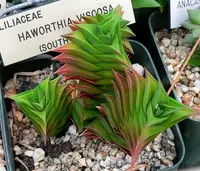
Cryptanthus acaulis, often called an earth star, is a small terrestrial bromeliad grown mainly for its striking rosette of stiff, wavy leaves. Plants stay low and spread horizontally, forming star-shaped clusters that sit close to the soil surface.

In nature, it occurs in Brazil, usually on the forest floor, where it receives bright but filtered light and high humidity. Leaf colors and patterns can vary, but the compact size and slow growth make it well suited to indoor containers and dish gardens.

This species is generally considered manageable for beginners, as long as consistent warmth, moderate moisture, and free-draining, slightly acidic soil are provided. Understanding how to care for Cryptanthus acaulis starts with mimicking these sheltered, humid forest conditions indoors.

Main Plant Requirements

Care Difficulty

Moderate Care

Light Preference

Bright Indirect Light

Water Requirements

Keep Soil Moist

Temperature Preference

Tropical / Frost Sensitive

Hardiness Zone

11–12

Soil Texture

Sandy, Loamy, Organic-rich

Soil pH

Strongly acidic (4.5–5.5), Acidic (5.5–6.5)

Soil Drainage

Well-drained

Fertilization

Light (every 4–6 weeks)

Get Personalized Care Plan

Scan your plant to receive care tips personalized for your specific plant

Available on iOS and Android

How to Care for the Green Earthstar

This terrestrial bromeliad prefers bright, filtered light that mimics dappled forest shade.

  • Provide 6–8 hours of bright, indirect light each day, such as near an east window or under light shade outdoors, to maintain compact growth and clear banding on the leaves.
  • Tolerates partial shade (around 3–4 hours of bright, indirect light), but very low light causes dull color, elongated rosettes, and weak growth over time.
  • Avoid harsh midday sun, especially in summer; strong west or unshaded south exposure can scorch leaf tips and margins, so use sheer curtains or light canopy cover.

Watering should keep the root zone slightly moist but never saturated.

  • Allow the top 2–3 cm of soil to dry before watering again; use a finger test rather than a fixed schedule, since potting mix, light, and temperature strongly affect drying time.
  • In spring and summer, expect to water more often as growth and evaporation increase; in cooler months, extend intervals and ensure excess water drains away freely.
  • Reduce water if leaves feel soft, translucent, or the base smells sour, which suggests overwatering; crisp leaf tips and curling indicate the plant has stayed too dry.

Stable warm conditions are important for healthy growth and color development.

  • Aim for 65–80°F (18–27°C) for active growth; this range supports steady metabolism and good leaf coloration in Cryptanthus acaulis.
  • Keep it above 55°F (13°C); brief drops toward 45–50°F (7–10°C) may be survived but can cause tissue damage, leaf spotting, and slowed recovery.
  • Protect from frost at all times and from hot, stagnant air above 90°F (32°C); in heat waves, increase air movement and shade slightly to reduce stress and leaf burn.

This species benefits from moderate to high humidity to keep foliage color and texture stable.

  • Aim for 40–60% humidity; it tolerates brief dips lower but edges may brown if air stays very dry.
  • Watch for curling, crisp leaf margins and dull color as signs of humidity stress.
  • Increase humidity with a nearby pebble tray or grouped plants rather than misting, which can spot leaves.

This bromeliad prefers a loose, airy mix that mimics a gritty, organic forest floor.

  • Use a blend such as 40% fine orchid bark, 30% peat or coco coir, and 30% perlite or coarse sand for fast drainage.
  • Aim for slightly acidic soil, roughly pH 5.5–6.5, which supports nutrient uptake and healthy root activity.
  • Ensure the mix feels springy, not compact; large particles create air pockets that prevent root suffocation.
  • Avoid heavy garden soil or pure peat that stays wet and dense, which encourages root rot in Cryptanthus acaulis.

This species is well suited to container growing due to its shallow, compact root system.

  • Choose a wide, shallow pot that matches the rosette spread so the plant does not sit in an oversized volume of wet mix.
  • Select a heavier or low, broad container to keep the rosette stable as it offsets and becomes wider.
  • Ensure drainage holes are unobstructed so the thin roots never remain in a layer of trapped water at the pot base.

This bromeliad benefits from modest feeding during active growth but is sensitive to excess salts.

  • Use a balanced liquid fertilizer (around 10-10-10 or similar) diluted to 1/4–1/2 strength for Cryptanthus acaulis.
  • Feed every 4–6 weeks in spring and summer only, skipping applications if growth slows or leaves pale from other stress.
  • Apply to the potting mix, not into the central cup, to reduce rot risk.
  • Stop feeding in fall and winter, or reduce to 1 very light application if the plant remains under strong indoor light.

Pruning focuses on hygiene and maintaining a compact rosette rather than shaping.

  • Remove dead, dried, or badly damaged leaves at any time, cutting them close to the base with clean, sharp scissors.
  • After flowering, allow the mother rosette to decline naturally until offsets are strong, then cut it away.
  • Trim only discolored leaf tips if needed, avoiding cutting into the healthy central rosette.
  • Light thinning of crowded offsets can improve air movement and reduce rot in dense groupings of Cryptanthus acaulis.

This species prefers stable conditions and shallow containers, so repotting is infrequent and gentle.

  • Repot every 2–3 years or when roots circle the pot, growth slows, or the rosette sits high above the mix.
  • Best timing is spring to early summer, when warm temperatures support faster root recovery and new growth.
  • Use a shallow, wide container with a fast-draining mix such as fine orchid bark blended with peat and perlite.
  • Handle roots carefully, keep the crown above the soil line, and water lightly for the first 1–2 weeks to limit stress.

Propagation relies mainly on offsets produced around the base of mature rosettes.

  • Wait until pups reach about 1/3–1/2 the size of the mother plant before separating.
  • Best season is spring or early summer, when higher temperatures and light levels support rooting.
  • Cut pups off cleanly with a sterile knife, keeping some roots attached if possible.
  • Plant offsets in a small pot with airy, well-drained mix, maintain 70–80°F, bright indirect light, and lightly moist but not wet substrate.

This bromeliad is not frost hardy and must be kept above freezing in all climates.

  • Maintain indoor temperatures around 60–75°F in winter, avoiding cold drafts and sudden temperature swings for Cryptanthus acaulis.
  • Bring outdoor containers indoors before temperatures drop below 50°F and place in bright, indirect light.
  • Water less often, letting the top of the mix dry slightly, and avoid leaving cold water in the leaf rosette.

Care Tips

Offset management

Allow pups to reach at least one-third the size of the mother before detaching with a sterile knife, then pot them shallowly so their base sits just above the substrate to prevent rot and ensure faster establishment.


Center water control

Use a squeeze bottle or narrow-spout watering can to add a small amount of water directly into the leaf rosette, then tip the pot gently every few weeks to empty and refresh the cup to reduce bacterial buildup.

Mineral deposit prevention

If tap water leaves white crust on leaves or soil, switch to rainwater, distilled, or reverse-osmosis water and wipe older deposits from the leaf surface with a soft, damp cloth to keep the rosette functioning well.

Surface root protection

Because many roots sit near the surface, top-dress the mix with a thin layer of fine orchid bark or coconut husk chips to stabilize the plant and reduce moisture swings without suffocating the root zone.

Rotation for symmetry

Rotate the pot 90° every 1–2 weeks so light reaches all sides evenly, which encourages a flatter, more symmetrical star shape when caring for Cryptanthus acaulis.

Common Pests and Diseases

Scale insects

This pest attaches to the rosette and leaf bases as small, dome-shaped bumps and feeds on plant sap, sometimes causing sticky honeydew and sooty mold on the foliage.

Solution

Isolate the plant, then wipe affected areas with cotton swabs dipped in 70% isopropyl alcohol and rinse the leaves with lukewarm water; repeat weekly until no new insects appear. For larger infestations, apply a light horticultural oil spray labeled for indoor bromeliads, ensuring good coverage in leaf axils while keeping the soil lightly moist but not waterlogged.

Mealybugs

These insects hide deep in the rosette and leaf axils, forming white cottony clusters and weakening the plant by sucking sap.

Solution

Flush the rosette thoroughly with a strong but gentle stream of lukewarm water, then treat remaining clusters with cotton swabs dipped in 70% isopropyl alcohol. Monitor closely and repeat treatment every 7–10 days; for persistent problems, use an insecticidal soap spray that is safe for bromeliads and improve air movement around the plant.

Fungal leaf spots

This disease produces small, water-soaked or brown spots along the leaves, often starting in areas where water sits in the rosette under low light and poor air circulation.

Solution

Remove and discard badly affected leaves, then keep water out of the rosette for a period and allow the soil surface to dry slightly between waterings. Improve airflow, avoid overhead misting, and if spots continue to spread, apply a mild fungicide suitable for ornamental bromeliads, following label directions carefully.

Crown rot

This disease causes the central rosette to soften, discolor, and collapse, usually after prolonged standing water and cool or poorly ventilated conditions.

Solution

At early stages, remove all mushy tissue and affected leaves, let the plant dry, and adjust watering so the rosette does not stay constantly filled with water. Provide warmer temperatures, stronger indirect light, and better air movement; if the crown is fully decomposed, discard the plant but salvage any healthy offsets to continue growing Cryptanthus acaulis.

Interesting Facts

Terrestrial bromeliad habit

Unlike many bromeliads that grow as epiphytes on trees, this species naturally grows on the ground in leaf litter of Brazilian Atlantic Forest remnants, anchoring in humus-rich, often shaded sites.

True star-shaped rosette

Mature plants form a low, flat rosette whose leaves radiate in a near-perfect star pattern, an adaptation that helps intercept dappled forest light close to the soil surface.

Soil-absorbing roots

Its roots function mainly for water and nutrient uptake from the substrate, rather than just anchoring like many tank bromeliads, reflecting its evolution as a strictly terrestrial species.

Botan icon

Did you know?

Cryptanthus acaulis was one of the first so-called earth stars brought into European cultivation in the 19th century, and its compact, ground-hugging form made it an early model species for studying how terrestrial bromeliads from the Atlantic Forest adapt to low, scattered understory light.

FAQs about Green Earthstar

Brown, crispy leaf edges usually come from very low humidity, excess fertilizer salts, or prolonged direct sun scorch. Flush the potting mix, reduce fertilizer, provide gentler light, and increase local humidity with a pebble tray or nearby humidifier.

Grow Healthy Plants with Botan Care

Keep your plants happy and healthy with plant identification, disease detection, and easy care guidance.

Botan plant care app — identify plants on mobile

Explore More Plants