


Seasonal succession planting
Stagger sowing or planting in 2–3 waves, a few weeks apart in early spring, to replace spent clumps and keep a continuous display of flowers through the season.

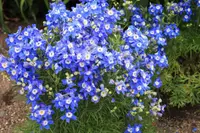
Chinese delphinium (Delphinium grandiflorum) is a compact, clump-forming perennial grown for its vivid blue, purple, or occasionally white flowers. Plants stay relatively low and bushy, so they suit smaller borders, mixed beds, and containers better than tall border delphiniums.
This species is native to parts of northern Asia, including China and Siberia, where it grows in open, sunny meadows and well-drained soils. It is shorter lived than many perennials and may need replanting after a few years, but it flowers quickly from seed.
Delphinium grandiflorum prefers cool summers, full sun in mild regions, and slightly moist but free-draining soil. Gardeners who learn how to care for Сhinese delphinium usually find it moderately easy to maintain in suitable climates.

Hardiness Zone
3–7
Scan your plant to receive care tips personalized for your specific plant
Available on iOS and Android
Delphinium grandiflorum performs best with strong, steady light that avoids harsh extremes.
Delphinium grandiflorum needs consistent moisture in cool, well-drained soil to support upright growth and flowering.
This perennial prefers cool to mild conditions and does not thrive in prolonged heat or severe freezes.
Humidity is not a major factor for Delphinium grandiflorum, which copes well with typical outdoor air levels.
Delphinium grandiflorum grows best in deep, well-structured, moisture-retentive but free-draining soil.
This species can grow successfully in containers if the pot is chosen and managed for its tall, moisture-sensitive growth.
Delphinium grandiflorum responds well to moderate, consistent feeding during the active growing season.
Pruning Delphinium grandiflorum maintains a tidy shape and supports repeat flowering.
Delphinium grandiflorum is usually grown in beds, so focus on careful outdoor transplanting rather than frequent repotting.
Delphinium grandiflorum is commonly propagated by seeds and, less often, basal cuttings or division.
Delphinium grandiflorum is reasonably cold hardy but benefits from simple winter preparation in colder regions.

Plant Health Check
Not sure what's wrong with your plant? Check your plant's health inside the app.
Unlike tall border larkspurs often grown as short-lived perennials, this species usually behaves as a durable, clump-forming perennial that reliably regrows from its crown each year when conditions are suitable.
It has been selected from naturally low-growing Asiatic populations, giving it a bushy, mounded form with many stems rather than a few tall spires, which makes it better suited to windy sites and smaller gardens.
The vivid blue of its flowers comes from high concentrations of delphinidin-based anthocyanins, which produce a stronger, more saturated blue than that seen in many taller hybrid larkspurs.
This species performs best outdoors in cool to mild climates, where it receives strong light and good air movement. Indoors it tends to grow weak, attract pests, and flower poorly, so Сhinese delphinium indoor care is not recommended long term.
Keep your plants happy and healthy with plant identification, disease detection, and easy care guidance.


Douglas iris
Iris douglasiana
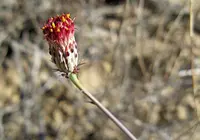
San Felipe dogweed
Adenophyllum porophylloides
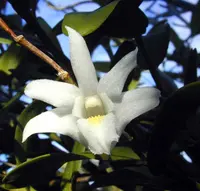
pigeon orchid
Dendrobium crumenatum
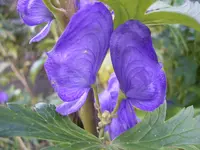
Carmichael's monkshood
Aconitum carmichaelii
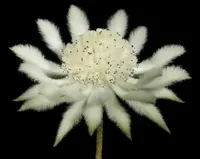
Actinotus leucocephalus
Actinotus leucocephalus
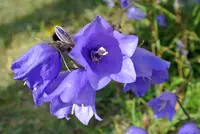
peach-leaved bellflower
Campanula persicifolia
Alyssum minutum
Alyssum minutum
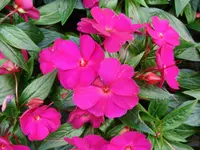
New Guinea Impatiens
Impatiens hawkeri