Song of India Care (Dracaena reflexa 'Anita')

About Song of India

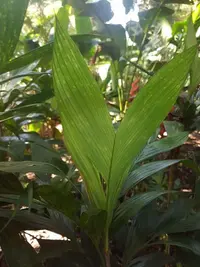
Song of India, Dracaena reflexa 'Anita', is a compact evergreen shrub grown indoors for its narrow, arching leaves and bushy, layered form. New growth often appears bright green, then deepens in color as it matures.

In the wild, this species occurs in parts of the Indian Ocean region, where it grows as an understory shrub in warm, humid forests. Indoors, it stays manageable in size and responds well to pruning.

Its slow to moderate growth, tolerance of indoor conditions, and ability to handle some neglect make it suitable for many homes and offices. Those learning how to care for Song of India only need to focus on bright, indirect light, moderate moisture, and well-drained potting mix.

Main Plant Requirements

Care Difficulty

Moderate Care

Light Preference

Bright Indirect Light

Water Requirements

Moderate Water

Temperature Preference

Tropical / Frost Sensitive

Hardiness Zone

11–12

Soil Texture

Loamy, Sandy, Organic-rich

Soil pH

Acidic (5.5–6.5), Slightly acidic (6.5–7.0)

Soil Drainage

Moist but well-drained

Fertilization

Light (every 4–6 weeks)

Get Personalized Care Plan

Scan your plant to receive care tips personalized for your specific plant

Available on iOS and Android

How to Care for the Song of India

Dracaena reflexa 'Anita' prefers bright, filtered light that mimics dappled tropical sun.

  • Provide 6–8 hours of bright, indirect light daily; an east-facing window or light behind a sheer curtain suits typical Song of India indoor care.
  • Tolerates partial shade, but growth slows and variegation fades if kept in low light for many weeks.
  • Avoid harsh midday sun, especially behind glass, which can scorch leaves; in winter, move slightly closer to windows to compensate for weaker light.

Dracaena reflexa 'Anita' prefers evenly moist but not saturated soil with brief dry periods.

  • Water when the top 3–5 cm of soil feels dry, using enough water for excess to drain away, then discard any standing water.
  • In spring and summer, expect to water more often; in fall and winter, allow slightly deeper drying and reduce frequency as growth slows.
  • Watch for yellowing, soft leaves and a sour soil smell as signs of overwatering, and crisp brown leaf tips or folding leaves as signs of underwatering.

This plant thrives in stable, warm conditions without sudden temperature swings.

  • Aim for 65–80°F (18–27°C) for steady growth, with the warmest end of this range promoting faster foliage production.
  • Protect from cold; avoid exposing it below 55°F (13°C), and keep it well away from frost, drafts, or unheated porches in winter.
  • Tolerates brief heat up to about 90°F (32°C) if shaded from intense sun and given good air flow, but prolonged extreme heat can cause leaf scorch and wilting.

This species prefers moderate household humidity and tolerates slightly dry air if other conditions are stable.

  • Aim for 40–60% humidity to keep foliage full and tips from drying.
  • Dry, heated air can cause brown, crispy leaf tips and edges on Song of India.
  • Increase humidity with a nearby open tray of water and pebbles or by grouping plants, rather than misting leaves directly.

This plant needs a loose, fast-draining mix that still holds some moisture without staying wet.

  • Use a base of peat- or coco-coir-based potting mix combined with 30–40% perlite or pumice for structure and drainage.
  • Aim for slightly acidic to neutral pH, roughly 6.0–7.0, which suits Dracaena reflexa 'Anita'.
  • Include a small amount of fine bark or compost to add organic matter without making the mix heavy or compacted.
  • Avoid dense garden soil, clay-heavy mixes, or anything that stays soggy longer than 3–4 days after watering.

This species adapts very well to container growing when the pot supports its upright, somewhat top-heavy form.

  • Choose a container that is wider and slightly heavier at the base to prevent tipping as stems elongate.
  • Select pot materials like ceramic or thick plastic that buffer moisture so the mix does not swing from soaked to bone dry too fast.
  • Leave several centimeters of space below the rim so water can be applied slowly without spilling over the sides.

This dracaena benefits from light, consistent feeding during active growth but is sensitive to overfertilizing.

  • Use a balanced liquid fertilizer (around 10-10-10 or 20-20-20) at 1/4–1/2 strength for caring for Song of India–type dracaenas.
  • Feed every 4–6 weeks in spring and summer when growth is strongest.
  • Withhold fertilizer or feed only once in fall and skip feeding in winter dormancy.
  • Always water lightly before applying fertilizer to reduce root burn risk.

Pruning supports a neat form and encourages fuller, multi-stemmed growth in Dracaena reflexa 'Anita'.

  • Plan main pruning in late winter or early spring before strong new growth starts.
  • Remove dead, yellowing, or damaged leaves and any weak, crossing, or crowded stems.
  • Shorten tall, bare canes above a node to stimulate branching and a denser canopy.
  • Use clean, sharp pruners; make straight cuts and avoid removing more than 1/3 of foliage at one time.

This dracaena prefers slightly snug pots and only needs repotting when clearly rootbound.

  • Check for roots circling the pot, pushing through drainage holes, or slow, stalled growth as signs to repot.
  • Plan repotting in spring every 2–3 years, or when the root ball is very tight.
  • Move up only 1 pot size, using a well-drained mix, and keep the root ball intact to limit stress.
  • Water lightly after repotting, keep in bright indirect light, and avoid heavy fertilizing for 4–6 weeks.

Propagation of this cultivar is commonly done from stem cuttings rather than seed.

  • Take 8–15 cm tip or cane cuttings in late spring or summer from healthy, non-flowering stems.
  • Remove lower leaves, then place cuttings in moist, well-drained mix or water, keeping 1–2 nodes buried.
  • Maintain 70–80°F, high humidity, and bright, indirect light to encourage rooting.
  • After firm roots form, pot into a small container and avoid overwatering while new growth establishes.

This tropical dracaena is frost-tender and needs indoor or warm sheltered conditions in winter.

  • Keep plants above 55°F; ideal winter range is 60–70°F with stable room conditions.
  • Move outdoor containers indoors before the first frost and place in bright, indirect light.
  • Avoid cold drafts, heater blasts, and sudden temperature swings that stress foliage.
  • Reduce watering in winter, allowing the top soil to dry more between waterings while keeping roots slightly moist.

Care Tips

Selective cane thinning

Every 1–2 years, remove 1–2 of the oldest, bare canes at the base with clean, sharp pruners to encourage new shoots and keep the plant dense rather than tall and leggy.

Staggered stem heights

When repotting, group multiple stems of different heights in the same container and rotate the pot monthly so the tallest stems do not shade smaller ones, which maintains a tiered, balanced outline.

Root health checks

During each repotting, inspect roots and trim away any black, mushy, or tightly circling roots, then replant slightly higher in the pot to keep the root flare just above the soil line for better aeration.

Targeted pest monitoring

Once a month, check leaf undersides, cane crotches, and leaf bases with a hand lens for early signs of scale or spider mites and wipe suspect areas with isopropyl alcohol on a cotton pad before infestations build up.

Low‑light adjustment

If moved to lower light, reduce fertilizer and allow the top of the mix to dry slightly deeper before watering, since growth will slow and this adjustment helps prevent root problems when caring for Song of India.

Common Pests and Diseases

Dracaena margin bug

This pest feeds along leaf margins and tips, causing yellowing, notches, and corky or roughened edges on the leaves. Symptoms include slow decline and cosmetic damage that is often mistaken for nutrient issues or low humidity stress.

Solution

Inspect leaf edges and tips regularly and remove heavily damaged leaves. Wipe foliage and leaf margins with a cotton pad soaked in 70% isopropyl alcohol, then apply a systemic insecticide labeled for houseplants if the infestation persists, following all label directions and keeping the plant isolated from others during treatment.

Spider mites

These insects thrive in warm, dry indoor air and cause fine stippling, dull leaf color, and eventual bronzing or leaf drop. Symptoms include fine webbing along leaf undersides and at leaf bases.

Solution

Increase ambient humidity around the plant, then hose or shower the foliage thoroughly to remove mites and webs. Follow with repeated applications of insecticidal soap or horticultural oil to leaf undersides every 5–7 days until no new damage appears, keeping the plant away from hot sun during treatment to avoid leaf burn.

Soft scale

This pest appears as rounded, tan to brown bumps on stems and leaf midribs that excrete sticky honeydew, which can lead to sooty mold growth. Symptoms include sticky leaves, reduced vigor, and distorted new growth.

Solution

Prune out heavily infested stems and gently scrape or wipe remaining scales off with a cloth dipped in 70% isopropyl alcohol. Maintain the plant in bright, stable conditions and use repeated applications of horticultural oil or a systemic insecticide to control any remaining crawlers, monitoring weekly for reinfestation.

Fusarium leaf spot

This disease causes small, water-soaked lesions that expand into tan to brown spots with darker borders, often along leaf margins or tips. Symptoms include progressive spotting, yellowing, and eventual death of affected leaves under warm, humid, or crowded conditions.

Solution

Remove and discard all affected leaves, sterilizing scissors between cuts, and improve air circulation around the plant while avoiding water on the foliage. Allow the soil surface to dry between waterings, and if spotting continues, use a fungicide labeled for Fusarium on ornamentals, following label instructions and keeping the plant out of direct hot sun after spraying.

Fluoride toxicity

Symptoms include brown, necrotic tips and margins on older leaves, often with a narrow yellow band between healthy and dead tissue, even when watering and humidity are correct. This physiological disorder is common in dracaenas exposed to fluoridated tap water or high-fluoride phosphate fertilizers.

Solution

Switch to distilled, rain, or reverse-osmosis water, and flush the potting mix thoroughly with low-salt water to leach accumulated fluoride and salts. Trim only the dead tissue from leaf tips, avoid superphosphate fertilizers, and repot into fresh, peat-free or low-fluoride mix if damage continues despite water changes, which is a key step in Dracaena reflexa 'Anita' plant care.

Interesting Facts

Compact reflexa variant

This cultivar is a selected form of Dracaena reflexa that stays naturally narrower and more upright than the typical species, which makes it especially suited to use as a slim architectural accent in interior landscapes.

Fine, arching foliage

It produces thinner, more numerous leaves than the common Song of India types, creating a softer, feathery canopy that responds visibly to changes in light intensity, often becoming denser and slightly shorter in brighter conditions.

Slow, cane-forming growth

Over time, this plant develops woody canes with foliage concentrated toward the tips, which allows growers to train it into multi-stemmed indoor trees or tiered forms that resemble small tropical shrubs in habitat, a useful trait when learning how to take care of Song of India relatives.

FAQs about Song of India

Brown leaf tips or edges usually come from low humidity, underwatering, or fluoride/salts in tap water. Improve humidity, water evenly but not excessively, and use filtered or rested tap water to reduce mineral stress.

Grow Healthy Plants with Botan Care

Keep your plants happy and healthy with plant identification, disease detection, and easy care guidance.

Botan plant care app — identify plants on mobile

Explore More Plants