Peperomia lanceolatopeltata Care

Peperomia lanceolatopeltata

About Peperomia lanceolatopeltata

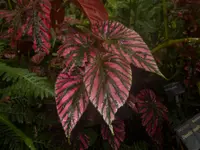
Peperomia lanceolatopeltata is a compact tropical houseplant from Central and South America, where it grows as an understory plant in warm, shaded forests. It forms low, mounding clumps with narrow, lance-shaped leaves that often show subtle rippling and a glossy surface.

Growth is relatively slow and controlled, which makes it suitable for small spaces, shelves, or mixed indoor collections. This species is generally considered easy to manage if its basic needs are met.

Stable indoor temperatures, moderate indirect light, and a freely draining, airy potting mix support healthy growth. Understanding how to care for Peperomia lanceolatopeltata mainly involves avoiding overwatering and keeping the roots well aerated.

Main Plant Requirements

Care Difficulty

Easy Care

Light Preference

Bright Indirect Light

Water Requirements

Moderate Water

Temperature Preference

Tropical / Frost Sensitive

Hardiness Zone

11–12

Soil Texture

Loamy, Peaty, Organic-rich

Soil pH

Acidic (5.5–6.5), Slightly acidic (6.5–7.0)

Soil Drainage

Well-drained

Fertilization

Light (every 4–6 weeks)

Get Personalized Care Plan

Scan your plant to receive care tips personalized for your specific plant

Available on iOS and Android

How to Care for the Peperomia lanceolatopeltata

This species prefers bright, indirect light that mimics dappled forest shade.

  • Provide 6–8 hours of bright, filtered light daily, such as near an east window or under a sheer curtain with soft morning sun.
  • Tolerates partial shade, but in very low light stems may stretch and leaf color can fade; move slightly closer to the light source if growth becomes leggy.
  • Protect Peperomia lanceolatopeltata from harsh midday or afternoon sun, which can cause leaf scorch and dry, pale patches, especially in summer.

Watering should balance moisture with good aeration around the roots.

  • Allow the top 2–3 cm of soil to dry before watering; leaves should feel firm, not limp or wrinkled, when moisture is adequate.
  • In spring and summer, expect to water more often as growth and evaporation increase; in cooler months, extend the interval once drying slows.
  • Use a sharply draining mix and empty saucers so the root zone does not stay saturated, as yellowing, mushy stems signal overwatering stress in Peperomia lanceolatopeltata.

This plant thrives in stable, warm conditions without sudden temperature swings.

  • Aim for 65–80°F (18–27°C) for best growth, keeping it away from cold drafts, air-conditioning outlets, and heater blasts.
  • Avoid temperatures below 55°F (13°C); brief dips may slow growth, but prolonged exposure or any frost can cause leaf drop and tissue damage.
  • In hotter periods above 85°F (29°C), increase air movement and check soil more often, as heat speeds drying and can stress the plant if roots alternate between soggy and bone-dry.

This species prefers moderate household humidity with some extra moisture in very dry homes.

  • Aim for 40–60% humidity; it usually tolerates short periods at 30–35% without lasting damage.
  • Crisping leaf edges, curling, or stalled growth indicate humidity stress, especially near heating or AC vents.
  • Increase humidity with a nearby pebble tray or grouped plants rather than misting, which dries quickly and may spot leaves.

This species grows best in a loose, airy, fast-draining mix that still holds some moisture.

  • Use a mix of roughly 50–60% peat or coco coir with 20–30% perlite and 10–20% fine bark for structure and aeration.
  • Aim for slightly acidic to neutral pH around 6.0–7.0, which supports nutrient availability and healthy root activity.
  • Ensure excess water drains instantly; avoid heavy, clay-based, or compacted soil that stays wet for more than 2–3 days.
  • For Peperomia lanceolatopeltata, avoid dense garden soil and periodically loosen the top 1–2 cm to maintain airflow around fine roots.

This compact species is very suitable for container growing.

  • Choose a shallow but wide pot that matches its spreading root system, avoiding deep containers that trap unused wet soil at the bottom.
  • Prefer breathable terracotta if you tend to overwater, since it allows quicker evaporation and reduces the risk of root rot.
  • Select a pot with several small drainage holes so water exits evenly, preventing localized soggy zones that can damage fine feeder roots.

This plant benefits from modest, balanced feeding during the active growing season.

  • Use a balanced liquid fertilizer (around 10-10-10 or 20-20-20) diluted to 1/4–1/2 strength for Peperomia lanceolatopeltata.
  • Apply every 4–6 weeks in spring and summer, always on lightly moist soil to avoid root burn.
  • Skip compost-heavy mixes; choose well-balanced, salt-moderate products suited to houseplants.
  • Reduce or stop feeding in fall and winter when growth slows, then resume in spring.

Light pruning keeps this compact species tidy and encourages denser growth.

  • Perform pruning in spring or early summer when the plant is actively growing.
  • Remove dead, yellowing, or damaged leaves first, then thin crowded or leggy stems.
  • Use clean, sharp scissors or small pruning shears to make precise cuts above a leaf node.
  • Shaping Peperomia lanceolatopeltata by tip-pinching promotes bushier, more compact growth.

This compact plant prefers slightly snug pots and only occasional repotting.

  • Check for roots circling the pot, pushing through drainage holes, or very slow growth as signs to repot.
  • Plan repotting in spring every 2–3 years, or when the root ball is clearly tight.
  • Move the plant just 2–3 cm up in pot size, using a well-draining, airy mix to limit waterlogging.
  • Water lightly after repotting, keep in bright indirect light, and avoid heavy feeding for 2–3 weeks to limit root stress.

Peperomia lanceolatopeltata is commonly propagated from stem or leaf cuttings under warm, humid conditions.

  • Take 5–8 cm non-flowering stem cuttings in spring or early summer with at least 2–3 nodes.
  • Place cuttings in moist, well-draining mix; maintain 70–80°F, high humidity, and bright indirect light.
  • Optionally dip cut ends in rooting hormone to reduce rot and speed root formation.
  • Keep the medium slightly moist, not wet; roots usually form in several weeks, then pot on individually.

This tropical houseplant is frost-sensitive and needs mild, stable conditions in winter.

  • Maintain indoor temperatures around 60–75°F and avoid cold drafts or sudden temperature swings.
  • Grow Peperomia lanceolatopeltata away from frosty windows; move pots a few inches back from cold glass.
  • Allow the top of the soil to dry a bit more between waterings, since winter growth is slower.
  • Do not use heavy mulches in pots; rely instead on consistent indoor temperatures and moderate humidity.

Care Tips

Train trailing stems

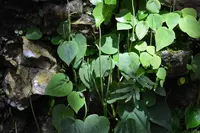
Pinch back only the very tip of fast-growing shoots and lightly tuck or loop stems over themselves to encourage a fuller, bushier mat instead of a few long, sparse vines when growing Peperomia lanceolatopeltata.

Rotate for even form

Turn the pot 90° every 1–2 weeks so the rosette-like growth stays symmetrical and stems do not lean or twist strongly toward a single light source.

Use shallow, wide pots

Choose a low, wide container rather than a deep one to match the plant’s shallow, fibrous root system and reduce the risk of staying wet at the bottom.

Monitor leaf turgor

Check the firmness of the thicker leaves and stems with your fingers; slightly soft, flexible foliage usually indicates the plant is ready for watering long before the soil surface looks completely dry.

Quarantine new arrivals

Keep newly purchased or gifted plants in a separate area for 2–3 weeks and inspect the undersides of leaves with a hand lens to prevent introducing mealybugs or spider mites to an established collection when caring for Peperomia lanceolatopeltata.

Common Pests and Diseases

Mealybugs

This pest hides in leaf axils and along stems, where it sucks plant sap and leaves behind white, cottony masses. Symptoms include sticky honeydew, distorted new growth, and gradual decline in vigor.

Solution

Remove visible insects with a cotton swab dipped in 70% isopropyl alcohol, then rinse foliage with lukewarm water to dislodge remaining pests. Isolate the plant, repeat treatments weekly for several weeks, and use a ready-to-use insecticidal soap or neem oil spray on all leaf surfaces, including the undersides.

Spider mites

These insects prefer the slightly succulent foliage and undersides of leaves, causing tiny pale speckles, dulling of the leaf surface, and fine webbing in dry indoor air. Symptoms include slow yellowing and premature leaf drop if the population becomes heavy.

Solution

Shower the plant with a gentle stream of lukewarm water, focusing on the undersides of leaves, then increase humidity around the plant and improve air movement. For ongoing suppression, apply insecticidal soap or a neem-based spray every 5–7 days for several cycles, checking with a hand lens for surviving mites.

Rhizoctonia leaf spot

This disease causes circular or irregular brown spots on leaves that may develop a water-soaked edge and sometimes a yellow halo. Symptoms include rapid spread across clustered foliage, especially in warm, humid conditions with poor airflow.

Solution

Prune and discard affected leaves, disinfecting scissors between cuts, and avoid wetting the foliage when watering. Improve spacing and airflow, reduce overhead misting, and if spotting continues, apply a labeled copper or chlorothalonil fungicide according to package directions while maintaining drier leaf surfaces.

Pythium stem and root blight

This disease starts at the soil line, where stems become soft, dark, and collapsed, often accompanied by blackened, mushy roots in overly wet potting mix. Symptoms include sudden wilting despite moist soil and easy detachment of stems from the base.

Solution

Discard severely affected plants, as recovery is rare, and avoid reusing the contaminated potting mix. For early, mild cases, remove affected stems, repot into a fresh, fast-draining mix in a pot with drainage holes, and adjust watering so the top 2–3 cm of soil dries out between waterings to prevent future infections in Peperomia lanceolatopeltata care.

Interesting Facts

Natural understory origin

This species is native to the tropical rainforests of Ecuador, where it grows as a small understory plant on the forest floor and lower trunks, adapted to diffuse light and consistently humid air.

Peltate leaf structure

Its leaves are described as lanceolatopeltate because they are both lance-shaped and peltate, meaning the petiole attaches slightly inside the leaf blade rather than at the margin, which gives the foliage a distinct shield-like appearance.

Patterned succulent foliage

The thick, somewhat succulent leaves often display dark green to bronze tones with subtle banding or mottling between veins, an adaptation that can help manage light absorption in low and dappled forest light conditions.

FAQs about Peperomia lanceolatopeltata

Leaf curling usually comes from moisture stress, low humidity, or sudden temperature changes. Check that the pot drains well, avoid letting the root zone stay soggy or bone-dry, and keep it away from drafts or heating vents.

Grow Healthy Plants with Botan Care

Keep your plants happy and healthy with plant identification, disease detection, and easy care guidance.

Botan plant care app — identify plants on mobile

Explore More Plants