eight-stamened waterwort Care (Elatine hydropiper)

eight-stamened waterwort

About eight-stamened waterwort

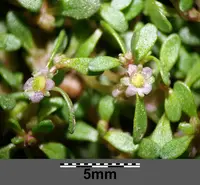
Eight-stamened waterwort (Elatine hydropiper) is a tiny creeping aquatic plant often used as a foreground or carpeting species in freshwater aquariums. It forms very low, dense mats of small, bright green leaves that root into fine sediment or sand.

In nature it grows in shallow, slow-moving or still waters, such as pond margins, ditches, and muddy stream edges, mainly in temperate regions. Its compact size and relatively delicate stems make it more demanding than some beginner aquarium plants, especially regarding stable water conditions and adequate light. With consistent moisture, gentle water movement, and clean, nutrient-rich substrate, it is possible to care for eight-stamened waterwort successfully.

Main Plant Requirements

Care Difficulty

Hard Care

Light Preference

Partial Shade

Water Requirements

Aquatic

Temperature Preference

Cool Climate

Hardiness Zone

5–9

Soil Texture

Sandy, Loamy, Silty

Soil pH

Acidic (5.5–6.5), Slightly acidic (6.5–7.0)

Soil Drainage

Waterlogged tolerant

Fertilization

Light (every 4–6 weeks)

Get Personalized Care Plan

Scan your plant to receive care tips personalized for your specific plant

Available on iOS and Android

How to Care for the eight-stamened waterwort

This small aquatic plant prefers bright, gentle light rather than intense, direct sun.

  • Provide 4–6 hours of bright light per day, ideally morning sun with light shade or filtered light in the afternoon to prevent leaf burn.
  • Eight-stamened waterwort grows best in shallow water with light reaching the substrate; avoid deep, heavily shaded spots where stems elongate and growth becomes sparse.
  • In summer, protect from strong midday sun using floating plants or partial shade; in low-light seasons, choose the sunniest pond edge or tank position.

Elatine hydropiper is an aquatic species that requires consistently saturated conditions, not fluctuating wet and dry soil.

  • Grow in shallow water or very saturated substrate so the surface never dries out; stems and roots should stay submerged or at least waterlogged.
  • Watch for underwatering signs such as dull color, slowed spread, and exposed, drying substrate; increase water depth slightly if tips begin to crisp or detach.
  • Overly stagnant water with heavy organic buildup can cause rot and browning; maintain gentle water movement and avoid thick anaerobic sludge around the roots.

This aquatic plant prefers cool to mild conditions and declines in prolonged heat or frost.

  • Optimal growth occurs around 60–72°F (16–22°C), where carpeting and spreading are most even and foliage stays compact and bright green.
  • It tolerates down to about 41°F (5°C) for short periods but is sensitive to hard frost; freezing of the substrate or water surface can kill stems.
  • Heat above 77–82°F (25–28°C) often leads to weaker, taller growth; in warm seasons, provide slight shade and good water circulation to limit heat stress.

This tiny aquatic species needs consistently very high humidity around 80–100% to stay healthy.

  • Eight-stamened waterwort declines quickly in dry room air below 70%, with leaves shrinking or melting away.
  • WILTING OR TRANSPARENT, SOFT LEAVES AND SLOW SPREAD ARE TYPICAL SIGNS OF HUMIDITY STRESS.
  • Grow it fully submerged or in a covered tank to trap moisture and maintain saturated air around the foliage.

Elatine hydropiper prefers saturated, fine-textured substrates rather than typical potting soil.

  • Use a fine sand or sandy loam substrate with 20–40% inert aquarium gravel or coarse sand to prevent compaction.
  • Keep the substrate permanently waterlogged or submerged, as drying out quickly damages roots and foliage.
  • Aim for slightly acidic to neutral conditions, around pH 6.0–7.2, which supports stable growth and nutrient uptake.
  • Avoid peat-heavy, chunky, or fast-draining mixes that trap air pockets and make it difficult for roots to anchor.

This species is well suited to container culture in shallow aquariums or trays.

  • Choose a wide, shallow container so the plant can spread horizontally in a thin, even substrate layer.
  • Use a rigid glass or acrylic tank to prevent bowing, which can disturb the fine root system and substrate layout.
  • Keep the substrate depth only 2–4 cm to avoid anaerobic zones while still allowing dense carpeting growth.

This small aquatic species benefits from modest, controlled nutrition, especially in planted aquariums or containers when caring for eight-stamened waterwort.

  • Use a balanced liquid NPK fertilizer formulated for aquatic plants, diluted to 1/4–1/2 strength.
  • Apply during the active growing season every 1–2 weeks, depending on plant density and water changes.
  • Reduce or stop feeding in winter or when growth slows noticeably to prevent algae issues.
  • Avoid nutrient spikes by dosing small amounts after water changes rather than large, infrequent doses.

Elatine hydropiper responds well to light, frequent trimming to maintain a healthy, low carpet.

  • Trim during active growth, typically spring through early fall, when plants recover quickly.
  • Use small, sharp aquascaping scissors to cut back the tallest, leggy stems just above the substrate.
  • Remove dead, yellowing, or crowded shoots to improve light penetration and water flow across the mat.
  • Regular light trimming encourages denser horizontal growth and prevents shading or detachment of older sections.

This creeping aquatic plant is usually transplanted rather than traditionally repotted, as it is grown in shallow substrates or aquarium beds.

  • Transplant when mats become too dense, growth slows, or roots form a thick layer that lifts from the substrate.
  • Best timing is during stable, warm conditions with good light, avoiding major changes in water parameters at the same time.
  • Every 6–12 months, lift and divide the carpet into small plugs, discarding weak, pale sections.
  • Replant gently into fresh or loosened substrate, keep roots just covered, and minimize disturbance to reduce transplant shock.

This species is commonly propagated when maintaining low carpets in aquariums or shallow aquatic setups.

  • Division is the primary method: cut healthy mats or runners into small plugs with several rooted stems each.
  • Carry out division in spring or during peak growth so plants re-establish quickly.
  • Replant sections into fine, nutrient-rich substrate, spacing them slightly to allow lateral spread.
  • For seed propagation, provide shallow, consistently wet conditions with fine substrate and stable warmth until seedlings root.

In mild climates and controlled aquariums, this plant needs minimal winter care but is sensitive to hard freezing.

  • In outdoor containers, prevent water from freezing solid, as roots and stems are not frost hardy.
  • Move small tubs or containers indoors to a cool, bright spot if sustained temperatures drop below freezing.
  • In indoor aquariums, maintain stable water temperature and light, as seasonal changes outdoors are not critical.

Care Tips

Use Fine Substrate

Use a 1–3 mm grain-size sand or fine aquarium soil so the tiny roots can anchor securely and form a dense carpet instead of floating away during maintenance.

Control Water Flow

Position the plant in calmer zones of the aquarium or slightly shield it from strong filter outlets to prevent uprooting and to allow even, low growth.

Frequent Gentle Trims

Trim lightly with fine scissors every 2–3 weeks, removing the tallest shoots to encourage side branching and maintain a compact, healthy mat.

Careful Siphon Technique

During water changes, hover the siphon just above the foliage instead of dragging it through the carpet to remove debris without dislodging plants.

Staggered Planting Strategy

Plant small clumps a few cm apart and then infill bare patches with new cuttings after initial establishment to speed up coverage when caring for eight-stamened waterwort.

Common Pests and Diseases

Algae overgrowth

Symptoms include smothered carpets, slowed growth, and dark green or slimy layers covering the tiny stems and substrate around the plants. This issue develops when light, nutrients, and water movement are out of balance in the aquarium.

Solution

Reduce light intensity or duration to 6–8 hours, maintain stable CO2, and balance nutrients so nitrate and phosphate are not excessively high or near zero. Increase gentle water circulation over the carpet, remove affected leaves and manually siphon or brush off algae, and consider short-term use of algae-eating fauna that are safe for Elatine hydropiper plant care.

Blue‑green algae

This disease is caused by cyanobacteria, forming dark slimy sheets that can lift and suffocate the low carpet. This organism spreads quickly in low-nitrate, stagnant, or dirty substrates.

Solution

Manually remove as much cyanobacteria as possible, then improve circulation and keep nitrate in a moderate range. Reduce excess organic waste with regular gravel vacuuming and water changes, and if needed use an aquarium-safe cyanobacteria treatment according to label directions while monitoring plant response.

Aquarium snails

These insects are not involved; instead, small aquatic snails may graze on tender new shoots and uproot the very shallow roots. This pest often appears after adding new plants or hardscape and can rapidly multiply if excess food is available.

Solution

Physically remove snails by hand or with snail traps and reduce uneaten fish food to limit their population. For heavier infestations, introduce compatible snail-eating fish or carefully use an invertebrate treatment labeled as safe for delicate aquarium plants, monitoring for stress to the carpet.

Nutrient deficiency melt

Symptoms include very small, pale, or transparent leaves, followed by sections of the carpet disintegrating or “melting” away. This problem is linked to imbalanced fertilization, low micronutrients, or unstable CO2 in high-light setups.

Solution

Stabilize CO2 levels, provide a complete liquid fertilizer with both macro- and micronutrients, and keep nitrate and potassium at consistent moderate levels. Trim melted or decaying sections, maintain regular water changes, and avoid sudden shifts in light or fertilization so new growth can establish evenly.

Interesting Facts

Specialist of muddy margins

This species typically grows on freshly exposed, muddy edges of ponds, reservoirs, and slow streams, where water levels fluctuate and competition from taller plants is low.

Tiny opposite leaves

It forms minute, opposite leaves along thread-like stems, creating low, mat-forming growth that can quickly cover small patches of wet soil or very shallow water.

Flowering in shallow water

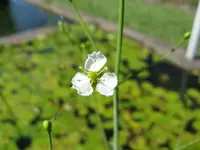
The plant produces extremely small, often overlooked flowers close to the substrate in very shallow water or saturated mud, adapted to a short and unstable growing season.

FAQs about eight-stamened waterwort

This species performs best outdoors in shallow freshwater margins, ponds, and controlled aquatic setups. It can be kept in aquaria or paludariums with stable water quality, but outdoor conditions usually provide stronger light and more natural growth patterns.

Grow Healthy Plants with Botan Care

Keep your plants happy and healthy with plant identification, disease detection, and easy care guidance.

Botan plant care app — identify plants on mobile

Explore More Plants