
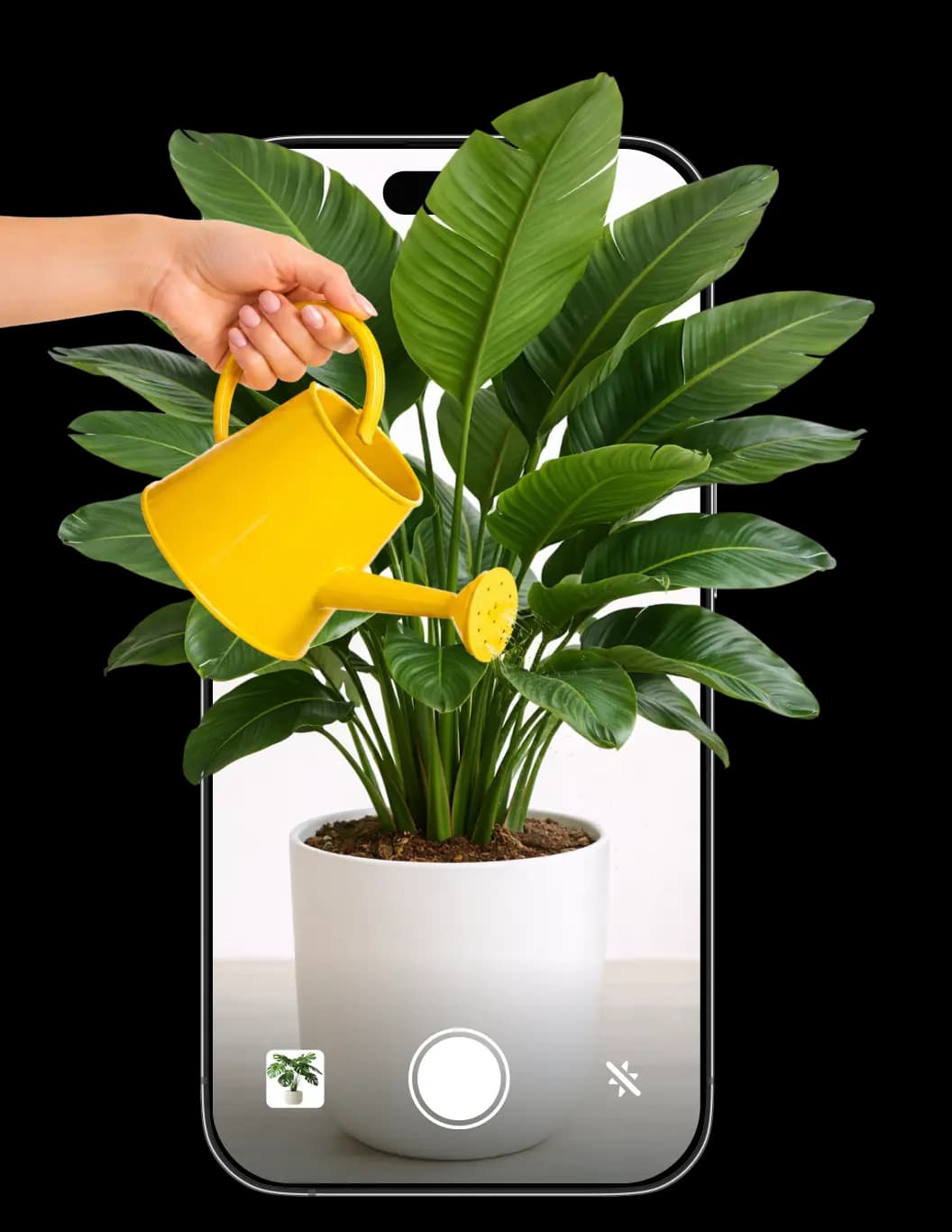
English Ivy (Hedera helix) Watering Guide

This page explains when, how often, and how much to water Hedera helix in typical home conditions.

Water Requirements

Moderate Water

Hedera helix Watering

Native to temperate, often humid woodlands, Hedera helix is adapted to soil that stays lightly moist rather than soggy. Indoors, watering English Ivy usually means aiming for steady, gentle moisture that never becomes waterlogged.

Outdoors in the ground, it tolerates brief surface drying better than deep, repeated drought. This section introduces how to water English Ivy in a simple, flexible way before more specific guidance.

Allow the top 1–2 inches (3–5 cm) of soil to dry before watering again. Indoors, this usually means watering about every 7–10 days, but treat this as a guideline, not a schedule. Warmer, brighter conditions shorten the interval, while cooler, lower-light spots extend it for English ivy.

Water English Ivy when the top 1–2 inches (3–5 cm) of soil feel dry and the pot feels lighter.

  • Pour room-temperature water slowly over the soil surface until moisture reaches all around the root zone.
  • Continue adding water until it begins to drain from the bottom holes, ensuring the entire root ball is evenly soaked.
  • Let the pot drain thoroughly, then empty any saucer or cachepot so roots do not sit in leftover water.
  • Keep water directed at the soil only, avoiding foliage and stems to reduce lingering surface moisture on the leaves.

Incorrect moisture levels can stress Hedera helix and gradually weaken overall growth and vigor.

Yellowing Lower Leaves:

Older leaves turn pale yellow and drop due to chronically soggy soil and low oxygen.

Crisp Brown Leaf Edges:

Leaf margins dry, curl, and brown from prolonged underwatering or very low indoor humidity.

Mushy Roots And Soil:

Roots feel soft with sour-smelling mix, indicating persistent overwatering and poor drainage conditions.

Wilting Despite Damp Soil:

Stems collapse or droop even in moist mix, suggesting advanced root decline from excess moisture.

Keep potting mix lightly moist, not saturated, letting the upper layer dry slightly between thorough waterings.

Poor watering habits stress Hedera helix, weakening growth and making English ivy more vulnerable to pests, sun, and temperature swings.

  • Watering by calendar: Following a fixed schedule ignores changing light and temperature; instead, water when the top inch of soil feels slightly dry.
  • Heavy, compact soil: Dense potting mixes hold moisture too long; use a light, chunky mix so water drains quickly and roots access oxygen.
  • Water sitting in saucer: Leaving runoff in a saucer keeps roots constantly wet; discard excess water after draining to let the root zone breathe.

Aim for a moist-but-not-soggy root zone, adjusting watering to season, light level, and how quickly the soil dries.

  • Spring: As growth picks up in brighter light, water when the top 1–2 inches of soil feel dry, avoiding constant sogginess.
  • Summer: In higher temperatures and stronger light, check soil more often, but let the surface dry between waterings to prevent root issues.
  • Fall: As days shorten and growth slows, extend the time between waterings and ensure excess water drains freely from the pot.
  • Winter: With slower growth in cooler, lower light, water sparingly, keeping soil slightly moist but never saturated, especially for indoor plants.

Your English Ivy Care Companion

Use Botan for a clear watering guide and simple care steps tailored to English Ivy. The app can also review plant photos to flag early signs of stress or issues.

Botan plant care app — identify plants on mobile

Interesting Watering Facts

Shade moisture specialist

In its native European woodlands, Hedera helix often grows on north-facing, shaded slopes where soil stays evenly moist but not waterlogged, which helps explain its preference indoors for slightly damp, never-soggy potting mix.


Aerial root hydration aid

The small aerial roots of Hedera helix help anchor the plant to bark and stone, but they can also absorb a limited amount of surface moisture from humid air and wet substrates, giving it an advantage in damp, mossy habitats.

FAQ

Indoors, water when the top inch of soil feels dry, rather than on a calendar. In average conditions this is often every 7–10 days. Reduce frequency in low light, cooler rooms, or winter.

More Plant Watering Guides

Is Your Watering Routine Hurting Your English Ivy?

Use Botan to review your watering routine and adjust it with more confidence.

Watering a plant with a copper watering can
Dill Companion Plants – What to Grow Next to Dill

9 min read · 17 Jul 2026

Dill Companion Plants – What to Grow Next to Dill

Dill is an easy-to-grow plant that gets along well with many vegetables. This guide describes 15 plants that can be planted alongside it, a few to avoid, and mistakes that can quietly sabotage the entire process.

Plant Recommendations
Dill Companion Plants – What to Grow Next to Dill
Plants That Repel Bugs – 20 Effective Options

12 min read · 16 Jul 2026

Plants That Repel Bugs – 20 Effective Options

Mosquitoes on the patio? Gnats in the kitchen? Some plants keep them away with the scent of their own leaves. Here are 20 that deal with mosquitoes, flies, aphids, and more, plus where to put them so they help.

Plant Recommendations
Plants That Repel Bugs – 20 Effective Options
How to Repot a Plant: A Step-by-Step Guide

7 min read · 28 May 2026

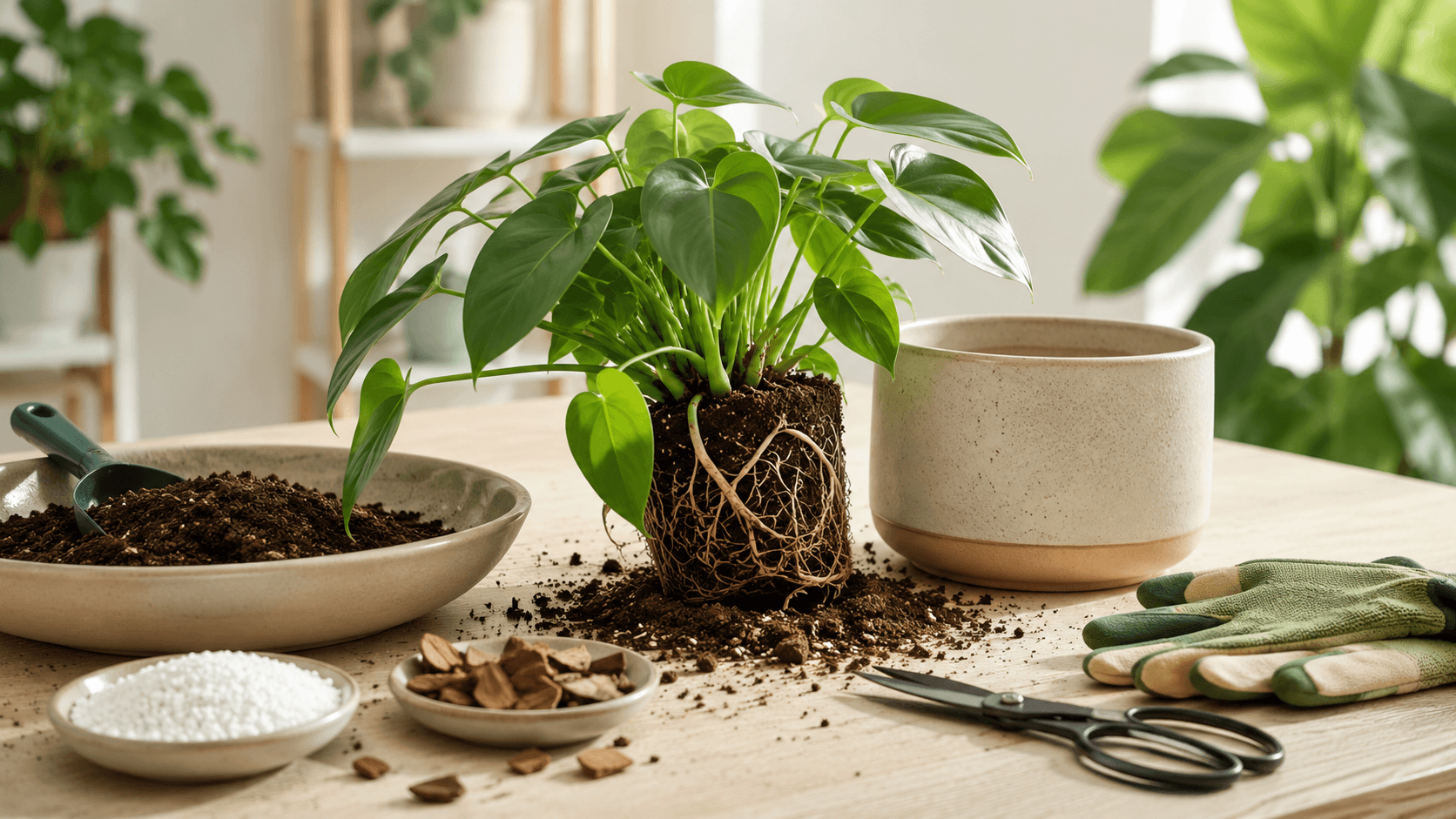
How to Repot a Plant: A Step-by-Step Guide

In spring, many plants need repotting—an essential part of care. To avoid stress, consider the plant’s type and size. This article offers a step-by-step guide for repotting indoors or outdoors and shows how to check plant health and get care tips using the Botan app.

Plant Care
How to Repot a Plant: A Step-by-Step Guide