Rhizome Division
Divide clumps every 3–4 years in early spring or fall by lifting the rhizomes, discarding woody centers, and replanting only firm outer pieces to maintain vigorous flowering.

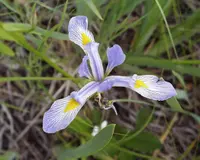
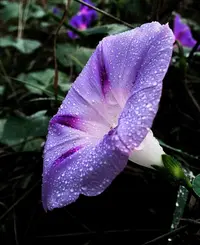
The purple iris, Iris versicolor, is a hardy perennial often found along wetlands, pond edges, and damp meadows in eastern North America. It forms clumps of upright, sword-like leaves with tall stems carrying violet to blue-purple flowers with yellow and white markings. Blooms appear in late spring to early summer and attract pollinators, especially bees. This species is generally easy to grow if given consistent moisture and sun to light shade. It suits rain gardens and naturalistic plantings, and learning how to care for purple iris helps keep clumps healthy and long-lived.

Care Difficulty
Moderate Care

Light Preference
Full Sun

Water Requirements
Aquatic

Temperature Preference
Cold Hardy

Hardiness Zone
3–9

Soil Texture
Loamy, Silty, Organic-rich

Soil pH
Acidic (5.5–6.5), Slightly acidic (6.5–7.0)

Soil Drainage
Waterlogged tolerant

Fertilization
Minimal (feed rarely)
Scan your plant to receive care tips personalized for your specific plant
Available on iOS and Android
This rhizomatous wetland iris grows best with strong light in cool, moist conditions.
This species is adapted to consistently wet to shallowly flooded conditions and dislikes drying out.
This hardy wetland perennial tolerates a wide temperature range but grows most actively in mild conditions.
This species prefers consistently moist air but usually does well in typical outdoor humidity.
This wetland perennial thrives in consistently moist, organic-rich substrates with slow drainage.
This iris can be grown in containers if moisture needs are carefully managed.
Iris versicolor grows best in moderately fertile, moist soil and benefits from light feeding in active growth.
Pruning Iris versicolor is simple and mainly focused on cleanliness and maintaining a tidy clump.
Established clumps of Iris versicolor benefit from periodic lifting and division rather than frequent repotting.
Propagation of Iris versicolor is commonly done by division, with seed used mainly for breeding or naturalizing.
Iris versicolor is cold hardy in much of North America and usually requires minimal winter care in the ground.

Plant Health Check
Not sure what's wrong with your plant? Check your plant's health inside the app.
This species is native to wetlands and shorelines in eastern and central North America and is particularly adapted to seasonally flooded, low-oxygen soils along ponds, streams, and marsh edges.
Its thick, fleshy rhizomes act as storage organs, allowing the plant to survive periodic drought at the soil surface even though it naturally occurs in wet habitats.
The flowers provide nectar and pollen for bees and some butterflies, while the dense clumps offer shelter for small amphibians and invertebrates in wetland ecosystems.

Iris versicolor is the official floral emblem of the Canadian province of Quebec, chosen in 1999 to represent the biodiversity of its wetlands and riparian landscapes.
Lack of flowers often comes from overcrowded clumps, planting the rhizomes too deep, or nutrient imbalance from high‑nitrogen fertilizer. Division every 3–4 years and balanced feeding usually restore reliable flowering.
Keep your plants happy and healthy with plant identification, disease detection, and easy care guidance.