

Divide Overgrown Clumps
Every 2–3 years, lift and divide crowded root masses in early spring, replanting vigorous sections into fresh mix to maintain frond size and prevent the center of the clump from dying out.

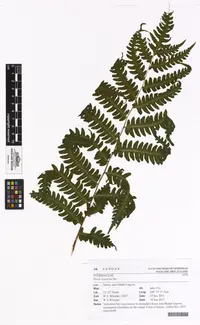
Giant brake, Pteris tripartita, is a large tropical fern valued for its bold, arching fronds and lush, layered texture. It forms a clumping habit that can become quite broad over time.
This species is native to humid forests in parts of Asia and the Pacific, where it grows on the forest floor under filtered light. In cultivation it prefers consistently moist, well-drained soil and high humidity.
Its size, need for even moisture, and dislike of dry air make it moderately challenging for beginners. Those who learn how to care for giant brake find it becomes a striking foliage feature in shaded interiors or sheltered outdoor spaces in warm climates.

Care Difficulty
Moderate Care

Light Preference
Partial Shade

Water Requirements
Keep Soil Moist

Temperature Preference
Tropical / Frost Sensitive

Hardiness Zone
10–12

Soil Texture
Loamy, Peaty, Organic-rich

Soil pH
Acidic (5.5–6.5)

Soil Drainage
Moist but well-drained

Fertilization
Light (every 4–6 weeks)
Scan your plant to receive care tips personalized for your specific plant
Available on iOS and Android
Pteris tripartita prefers bright, indirect light that mimics filtered forest conditions.
This fern needs consistently moist but not waterlogged conditions to maintain healthy fronds.
This species thrives in warm, stable temperatures similar to a frost-free, humid understory.
This fern needs consistently moist air for best frond size and color.
This fern prefers a loose, moisture-retentive but well-draining mix.
This species adapts well to container culture for patios or shaded outdoor spots.
This fern benefits from light, consistent feeding during active growth for healthy fronds and steady vigor.
Pruning focuses on hygiene and neatness rather than shaping Pteris tripartita.
Container-grown plants appreciate periodic repotting to maintain vigorous frond growth and a healthy root system.
Division is the most practical way to increase this fern while keeping new plants true to the parent.
This tropical fern is frost-tender and needs mild conditions or indoor shelter in regions with cold winters.

Plant Health Check
Not sure what's wrong with your plant? Check your plant's health inside the app.
This species produces long, arching to climbing fronds that can exceed 1 m in length, allowing it to scramble over nearby vegetation in its native tropical habitats. The fronds are typically tripinnate (divided three times), giving them a finely cut, lacy appearance despite their size.
It is naturally found in lowland to mid-elevation tropical rainforests from India through Southeast Asia to the Pacific, where it grows in consistently warm, humid, and shaded environments. In the wild it often occupies moist forest floors or banks near streams rather than exposed rock faces.
Newly emerging fronds often have reddish or bronze-colored stipes (leaf stalks) and midribs that gradually turn green as they mature. This color change is typical for the species and can help distinguish it from similar Pteris ferns when young.

Unlike many small terrestrial ferns, this species can behave as a weak climber, using its elongated, flexible fronds to lean on surrounding plants and structures, which is why it is sometimes grown on supports or in hanging positions in cultivation.
Leaf browning usually comes from low humidity, excess fertilizer salts, or direct hot sun scorching the fronds. Check for crispy edges, flush the pot occasionally, and raise humidity to stabilize this moisture-sensitive fern.
Keep your plants happy and healthy with plant identification, disease detection, and easy care guidance.

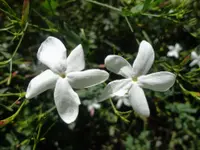
Spanish jasmine
Jasminum grandiflorum
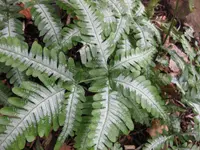
Pteris quadriaurita
Pteris quadriaurita
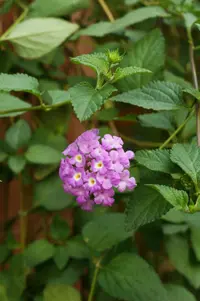
trailing lantana
Lantana montevidensis
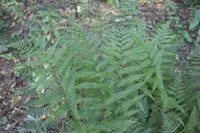
southern lady fern
Athyrium asplenioides
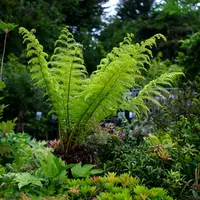
Hispidula dicksoniae
Hispidula dicksoniae
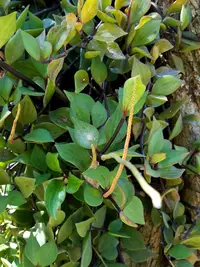
Peperomia angustata
Peperomia angustata
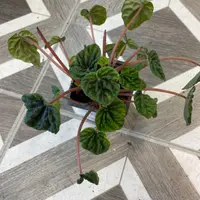
Peperomia
Peperomia caperata 'Emerald Ripple'
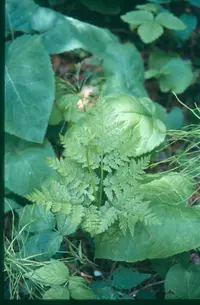
rattlesnake fern
Botrychium virginianum