


Encourage Compact Growth
Pinch back soft stem tips once plants reach 10–15 cm to encourage bushier growth and heavier flowering instead of tall, floppy stems.

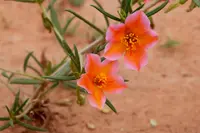
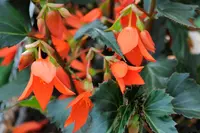
Orange flameflower, Talinum aurantiacum, is a small, sun-loving perennial or tender annual known for its bright orange, star-shaped flowers. It usually forms a low, branching mound with slender stems and fleshy, narrow leaves.
This species is native to parts of Mexico and the southern United States, where it grows in open, often rocky or sandy sites. It is generally considered easy to grow because it tolerates heat, dryness, and poorer soils once established.
Gardeners who care for Orange Flameflower value its long blooming season and its ability to attract pollinators. It performs best with plenty of sun, good drainage, and moderate, not constant, moisture.

Care Difficulty
Easy Care

Light Preference
Full Sun

Water Requirements
Low Water

Temperature Preference
Tropical / Frost Sensitive

Hardiness Zone
9–11

Soil Texture
Sandy, Loamy, Rocky

Soil pH
Acidic (5.5–6.5), Slightly acidic (6.5–7.0)

Soil Drainage
Well-drained

Fertilization
Minimal (feed rarely)
Scan your plant to receive care tips personalized for your specific plant
Available on iOS and Android
This sun-loving perennial blooms best in bright, direct light with some protection from harsh extremes.
This drought-tolerant species prefers infrequent, deep watering in fast-draining soil.
This warm-season perennial grows best in consistently mild to hot conditions without frost exposure.
This species handles low household humidity well, so humidity is rarely a limiting factor.
Talinum aurantiacum prefers light, fast-draining, slightly sandy soil to prevent root problems.
This succulent-like species grows well in containers, including shallow pots and troughs.
Talinum aurantiacum benefits from light, balanced feeding during its active growing season.
Pruning Talinum aurantiacum is mainly done to keep plants neat and encourage compact flowering growth.
This species is usually treated as a bedding or rock garden plant, so focus on transplanting rather than frequent repotting.
Talinum aurantiacum is most often propagated from seed, though division of small clumps is sometimes possible.
In mild climates this plant may overwinter in the ground, but in colder regions it is usually grown as an annual with minimal winter care.

Plant Health Check
Not sure what's wrong with your plant? Check your plant's health inside the app.
This species is naturally distributed in arid and semi-arid regions of the southwestern United States and adjacent Mexico, where it grows on rocky slopes and open, well-drained sites.
Its succulent, fleshy leaves and stems store water, allowing the plant to stay active and flower through hot, dry periods typical of its native range.
The bright orange flowers produce accessible nectar and pollen that attract small native bees and butterflies, contributing to local pollinator support in dryland habitats.
Insufficient light, heavy fertilizing with high nitrogen, or overcrowding usually reduces flowering. Improve light exposure, avoid rich, high-nitrogen feeds, and remove competing plants. Older clumps may need division to restore vigor and encourage more buds.
Keep your plants happy and healthy with plant identification, disease detection, and easy care guidance.

%20-%20Copy-200x143.webp)