Rice Seeds Germinate 24% Faster When They "Hear" Raindrops
A new study in Scientific Reports provides the first direct evidence that seeds can sense environmental sounds, including rain, as signals to begin growing. The research was led by MIT professor Nicholas Makris and Cadine Navarro.

For most people, the sound of rain is a gentle backdrop. For a seed buried just beneath the surface of wet soil, it may be something far more significant — a biological signal that triggers the start of life.
A new study published in Scientific Reports provides the first direct evidence that plant seeds can sense environmental sounds. The research was led by Nicholas Makris, a professor of mechanical engineering at MIT, alongside co-author Cadine Navarro.
The Experiment
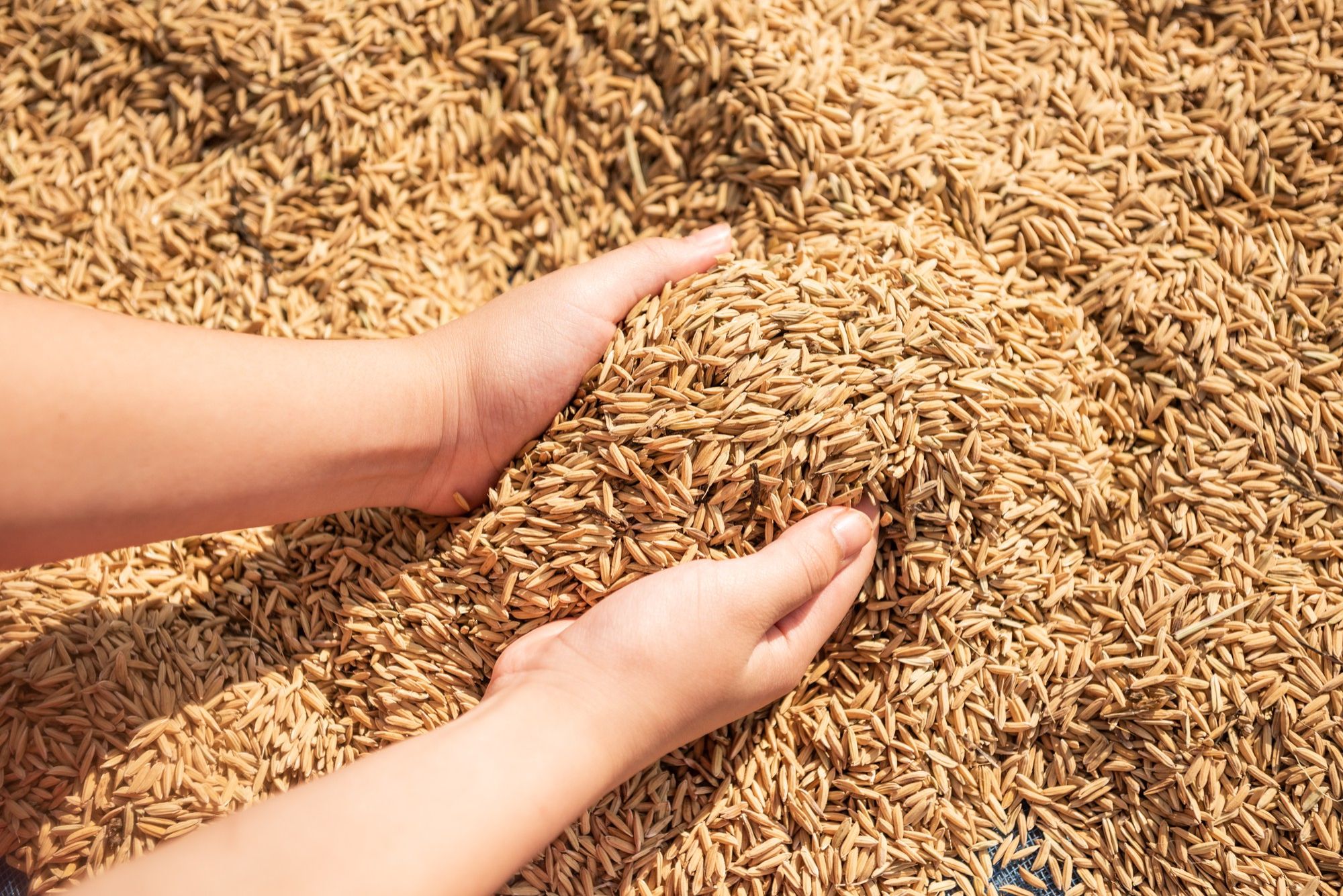
The team worked with Oryza sativa (common rice) chosen because it can germinate underwater. This allowed researchers to ensure all seeds had equal access to moisture, isolating the acoustic variable from the hydration variable.
About 8,000 rice seeds were submerged in shallow trays of water. Some groups were exposed to controlled streams of falling water droplets mimicking light, moderate, and heavy rainfall; others remained undisturbed. Seeds were positioned far enough from the droplet impact zone that only sound waves could reach them.
The results were striking. Seeds in optimal positions, exposed to light-to-moderate simulated rain, germinated 30% to 40% faster than seeds in identical but silent conditions.
Your Personalized Care Plan
Get personalized plant care recommendations in the app
Why Rain Sounds So Loud Underwater
Consider what a raindrop actually does when it hits a puddle. On the surface, the familiar "plunk" seems unremarkable. Underwater, however, the physics are different.
The team confirmed this using a hydrophone to measure underwater acoustics in the lab, then cross-referenced those readings against field recordings taken in real puddles, ponds, and wetlands during actual rainstorms.
The Mechanism: Statoliths
So how does a seed "hear" anything? The proposed mechanism centers on tiny structures called statoliths — microscopic organelles found inside specialized plant cells. Under normal conditions, statoliths help plants detect gravity. They settle to the bottom of cells due to their weight, orienting roots downward and shoots upward.
The researchers calculated that rain-generated sound waves are energetic enough to physically dislodge statoliths from their resting position against cell membrane receptors. This mechanical disruption appears to trigger the same gravitropic growth pathways that normally guide germination direction.
Not the First Time Plants Have "Listened"
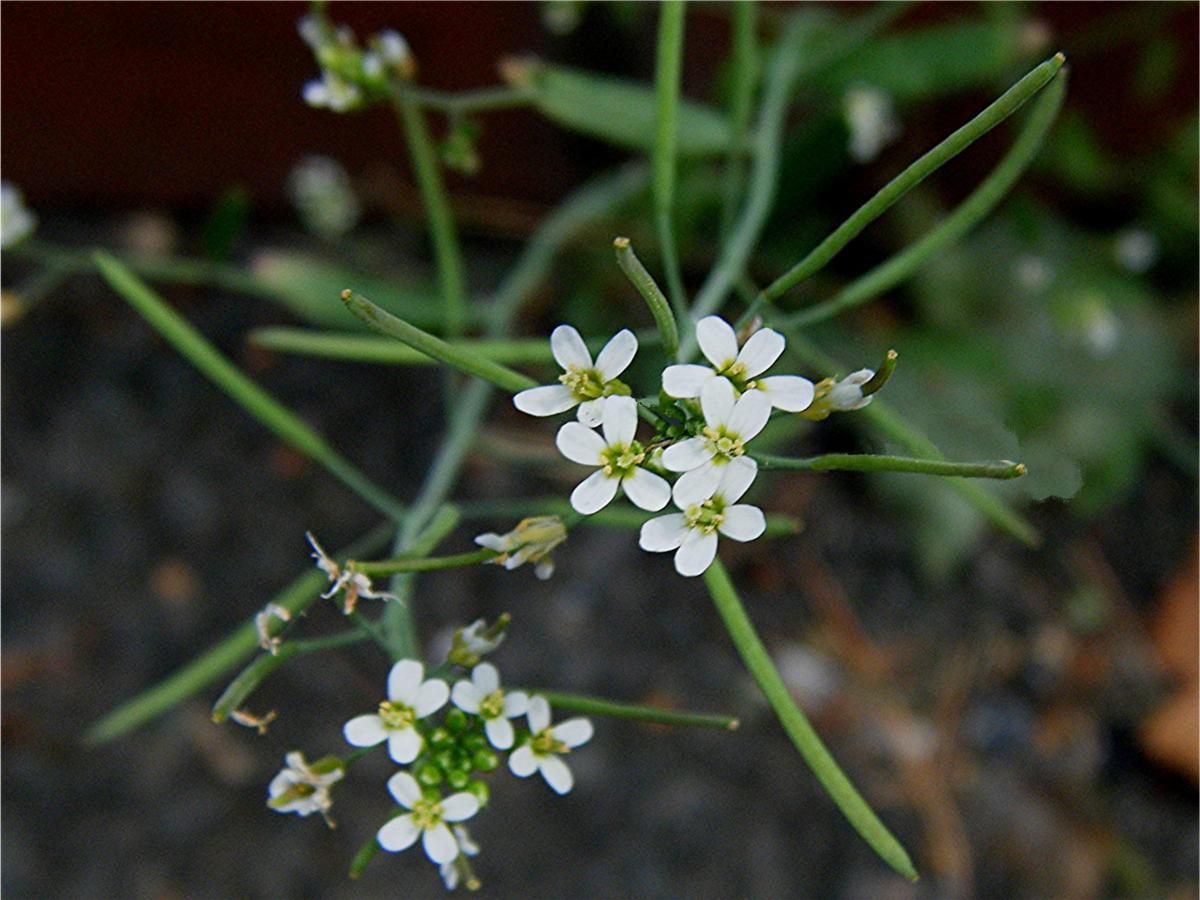
This discovery builds on a growing body of research into plant vibrational sensing. A 2014 study published in Oecologia by researchers at the University of Missouri found that Arabidopsis thaliana plants exposed to the vibrations of caterpillar chewing subsequently produced higher levels of glucosinolates and anthocyanins when later attacked by Pieris rapae caterpillars.
Crucially, the plants distinguished chewing vibrations from wind or unrelated insect sounds, suggesting a selective, ecologically meaningful response rather than a generic reaction to noise.
Promising, But Not Yet Settled
Not everyone is fully convinced the mechanism is purely acoustic. Harvey Millar, a plant biologist at the University of Western Australia who was not involved in the research, called the results "plausible" but noted residual uncertainty. He pointed out that falling droplets might also slightly aerate the water, introduce trace materials, or create pressure changes that could independently influence germination.
The researchers themselves acknowledge that further biological investigation is needed to confirm that statolith displacement is the definitive driver. They also plan to explore whether other natural vibrations, such as wind, produce similar effects across different plant species.

Dariia Plaksina
Botanist
5 years of botanical research experience
Dariia Plaksina is a biologist, botanist, and writer of informational articles with over 5 years of experience exploring the world of plants, nature, and biology. She studied at Taras Shevchenko National University of Kyiv, Educational and Scientific Center “Institute of Biology and Medicine,” where she built a strong scientific foundation for her future work.
For Dariia, writing is a hobby, a calling, and a way to make reliable knowledge easier to understand. Her articles focus on plant care, plant health, and natural processes, helping readers learn more about the living world through clear, accessible, and science-based explanations.
Related Articles
3 min read · 28 Jul 2026
The World's Rarest Plant Has One Wild Individual Left in South Australia
Along the Coorong coastline in South Australia lies a forgettable stretch of road called Woods Well. Scattered houses, open paddocks, remnan…

4 min read · 20 Jul 2026
Hidden Carbon Power of Trees
A new study found that oak trees continue absorbing carbon dioxide for months after their growth stops, challenging the long-held assumption that photosynthesis and tree growth always occur together.
7 min read · 30 Jul 2026
How to Mist Plants – Proper Technique and Common Mistakes
Find out when misting works well and when to avoid it. Here, you’ll find detailed information about compatible and incompatible species, tips on how often to mist plants and do it correctly, and some great alternatives for raising humidity.
Explore Plants by Care Needs
_4-1-200x112.webp)
Identify the plant and problem. Help your plant recover
Identify plant problems early, understand what's wrong, and get clear care guidance. Botan helps you turn guesswork into confident plant care