Hidden Carbon Power of Trees
A new study found that oak trees continue absorbing carbon dioxide for months after their growth stops, challenging the long-held assumption that photosynthesis and tree growth always occur together.
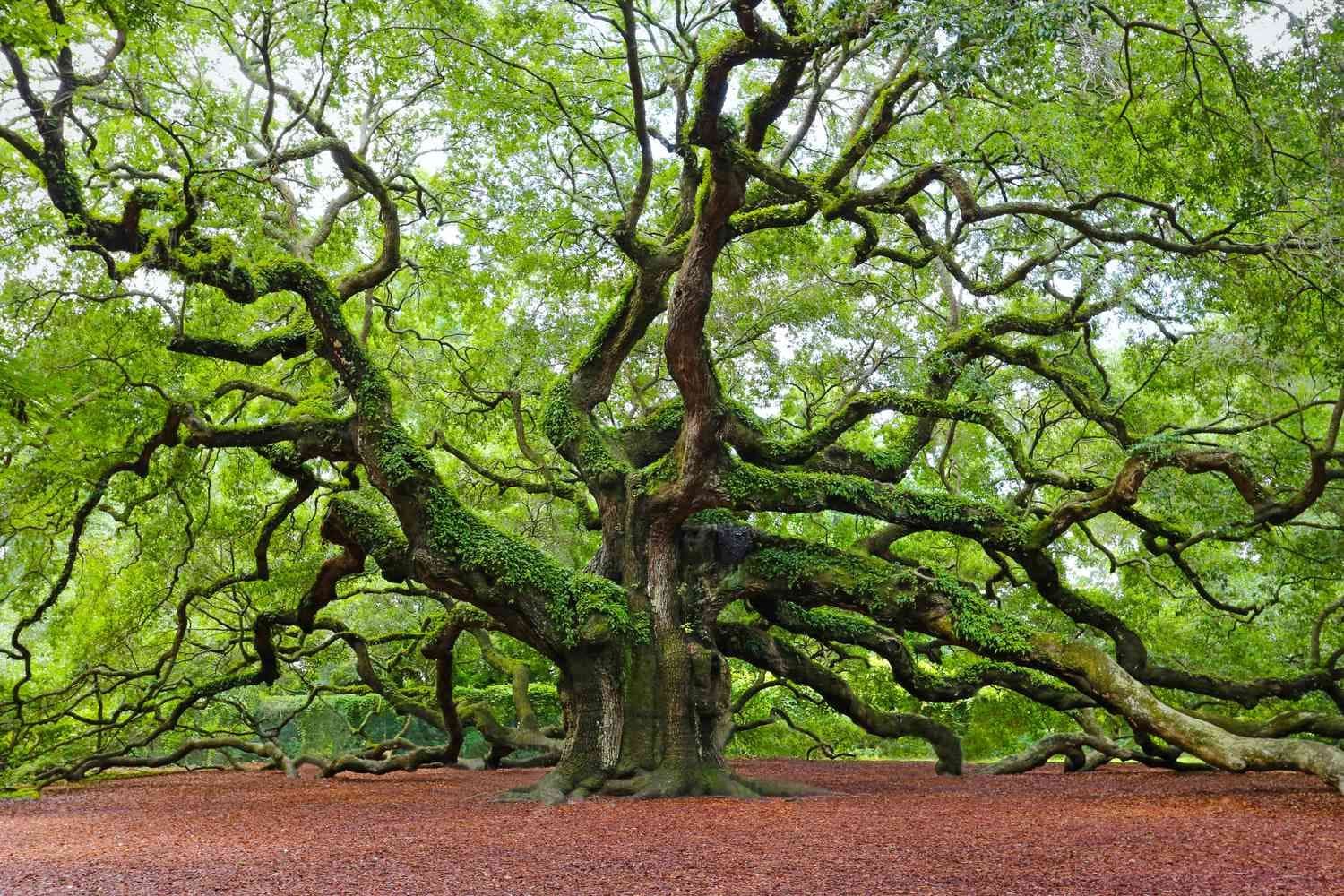
A new study has upended a foundational assumption in climate science: that photosynthesis and tree growth go hand in hand. Researchers discovered that oak trees continue absorbing carbon dioxide for months after their annual growth has already stopped — a finding that could alter how scientists forecast the carbon storage capacity of forests.
For decades, climate models have operated on a relatively straightforward premise: more CO₂ in the atmosphere means more photosynthesis, which means faster tree growth and greater long-term carbon storage. The new research suggests this chain of logic has a critical weak link.
Growth Stops, but Photosynthesis Doesn't
Trees are among the planet's most powerful carbon sinks. They pull CO₂ from the air and lock much of it away in trunks, branches, and roots — sometimes for centuries. But not all captured carbon becomes wood. Some fuels leaf and fruit production, some are stored as starch, and some are released into the soil to support microbial life and nutrient uptake.
The key question is how much of the carbon absorbed through photosynthesis actually ends up as long-lived woody biomass. The new findings suggest the answer may be considerably less than previously assumed.
Lead author Mukund Palat Rao, an ecoclimatologist at Lamont-Doherty Earth Observatory, put it plainly:
"Right now, most models assume that if you have photosynthesis, you have growth. We find that's not the case. Just because there is more photosynthesis might not necessarily mean more tree growth in the future."
Identify Your Plant
Scan the plant and get a result with 98% accuracy
A Multi-Source Investigation Across the U.S.
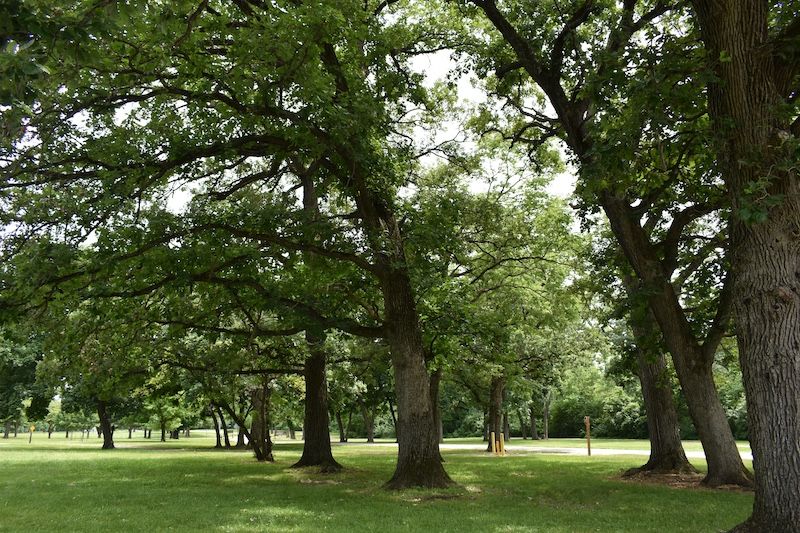
To reach these conclusions, Rao and his colleagues assembled an unusually rich dataset. They analyzed satellite imagery tracking photosynthesis at 137 oak forest sites across the eastern United States and California, combined with hourly CO₂ measurements from tree canopies, sensors monitoring minute changes in trunk diameter throughout the day, tree ring records, and temperature data stretching back to 1950.
The results were striking. At eastern U.S. sites, oaks typically grew from May through July but continued photosynthesizing all the way into October, meaning about 36% of their annual carbon uptake occurred after growth had already ceased. California oaks followed a different seasonal rhythm, with growth running from December through April, but the same pattern held: about 26% of yearly carbon absorption happened after growth had stopped.
The explanation, according to Rao, comes down to water. Tree growth depends on internal hydraulic pressure, and that pressure collapses rapidly under hot, dry conditions.
"The moment you have dry and hot conditions, growth activity stops pretty instantly while photosynthesis seems to continue at a slightly decreased rate," he said.
What Happens to the Leftover Carbon?
Some of the carbon captured after growth ends is banked as reserves to kick-start the following growing season. The rest goes toward producing new roots and leaves, or is metabolized to keep living cells alive through winter.
What is clear is that the gap between photosynthesis and growth widened in years with high weather variability, swinging between unusually wet and unusually dry conditions. Since climate change is projected to intensify such variability across many regions, this decoupling effect could become increasingly common.
Implications for Climate Forecasting
The findings carry real weight for how scientists model forest carbon storage in a warming world. If trees absorb more CO₂ under elevated atmospheric concentrations but convert less of it into durable wood, forests may provide a smaller climate buffer than current projections suggest.
Rao and his team are now investigating whether the same pattern appears in other tree species and forest types. He expects the degree of separation between photosynthesis and growth to vary across ecosystems — but acknowledges that many fundamental questions remain unanswered.
"There are many questions still left to address," he said.

Dariia Plaksina
Botanist
5 years of botanical research experience
Dariia Plaksina is a biologist, botanist, and writer of informational articles with over 5 years of experience exploring the world of plants, nature, and biology. She studied at Taras Shevchenko National University of Kyiv, Educational and Scientific Center “Institute of Biology and Medicine,” where she built a strong scientific foundation for her future work.
For Dariia, writing is a hobby, a calling, and a way to make reliable knowledge easier to understand. Her articles focus on plant care, plant health, and natural processes, helping readers learn more about the living world through clear, accessible, and science-based explanations.
Related Articles
7 min read · 22 Jul 2026
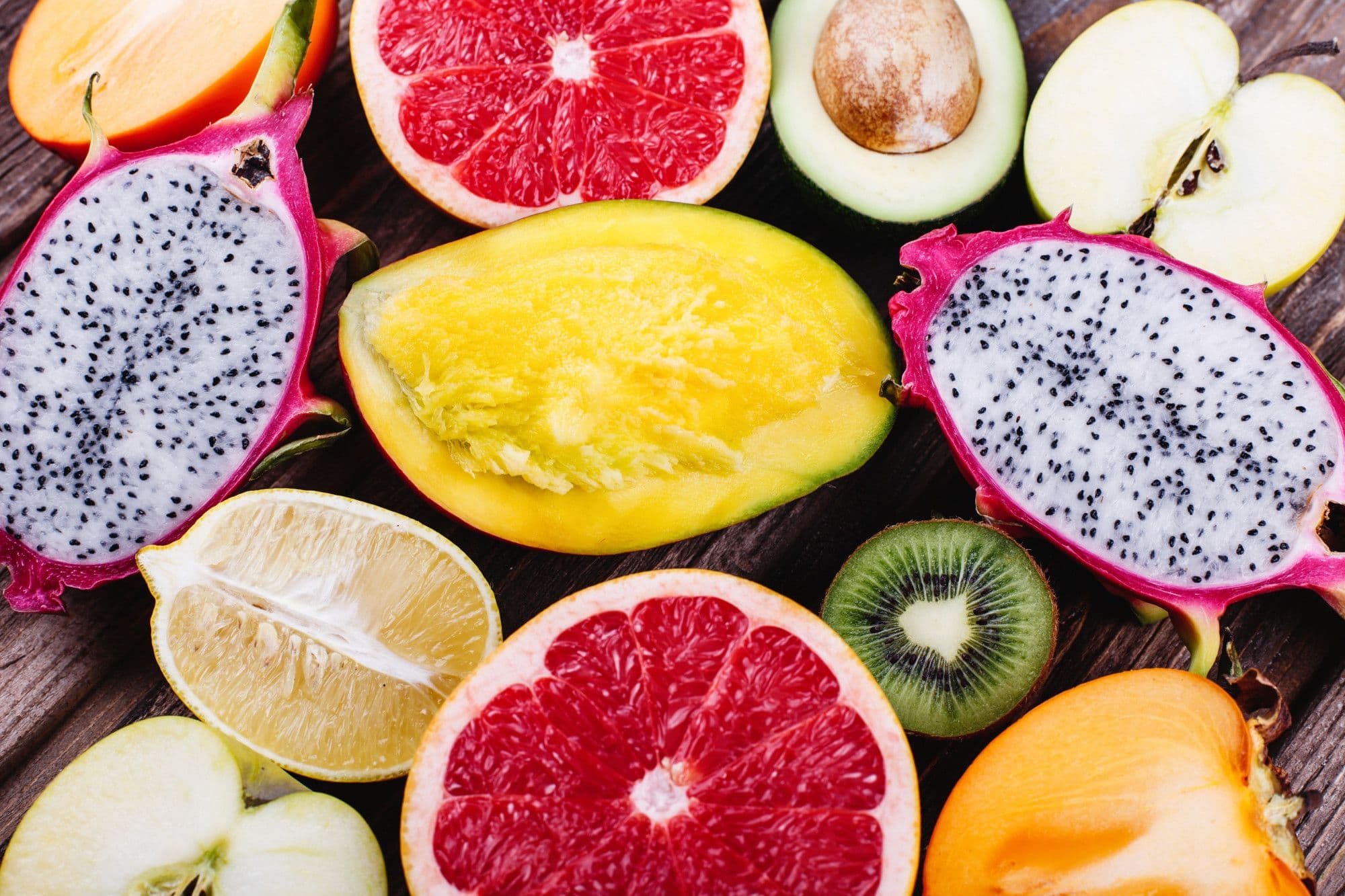
20 Most Popular Fruits Around the World
Curious which fruits the world actually eats the most? Here's the top-20 by production volume, an overview of what people choose in each region, and a few figures that defy common assumptions.
5 min read · 21 Jul 2026
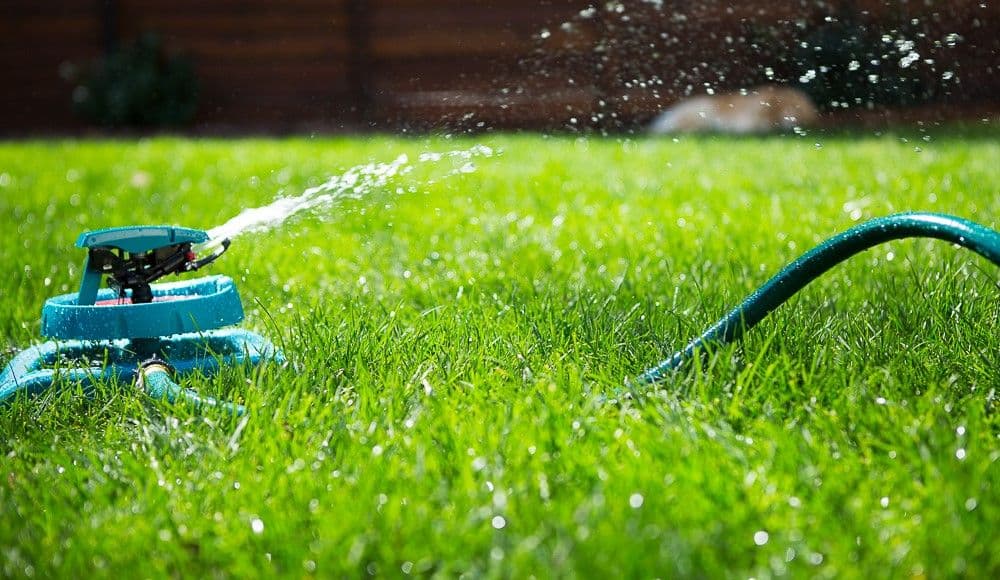
Best Time to Water Grass in Summer – Lawn Watering Tips
Summer watering is easy to get wrong. This guide explains when to turn on your sprinkler, how much liquid your grass needs each week, and how to tell if you're overwatering or underwatering.
11 min read · 20 Jul 2026
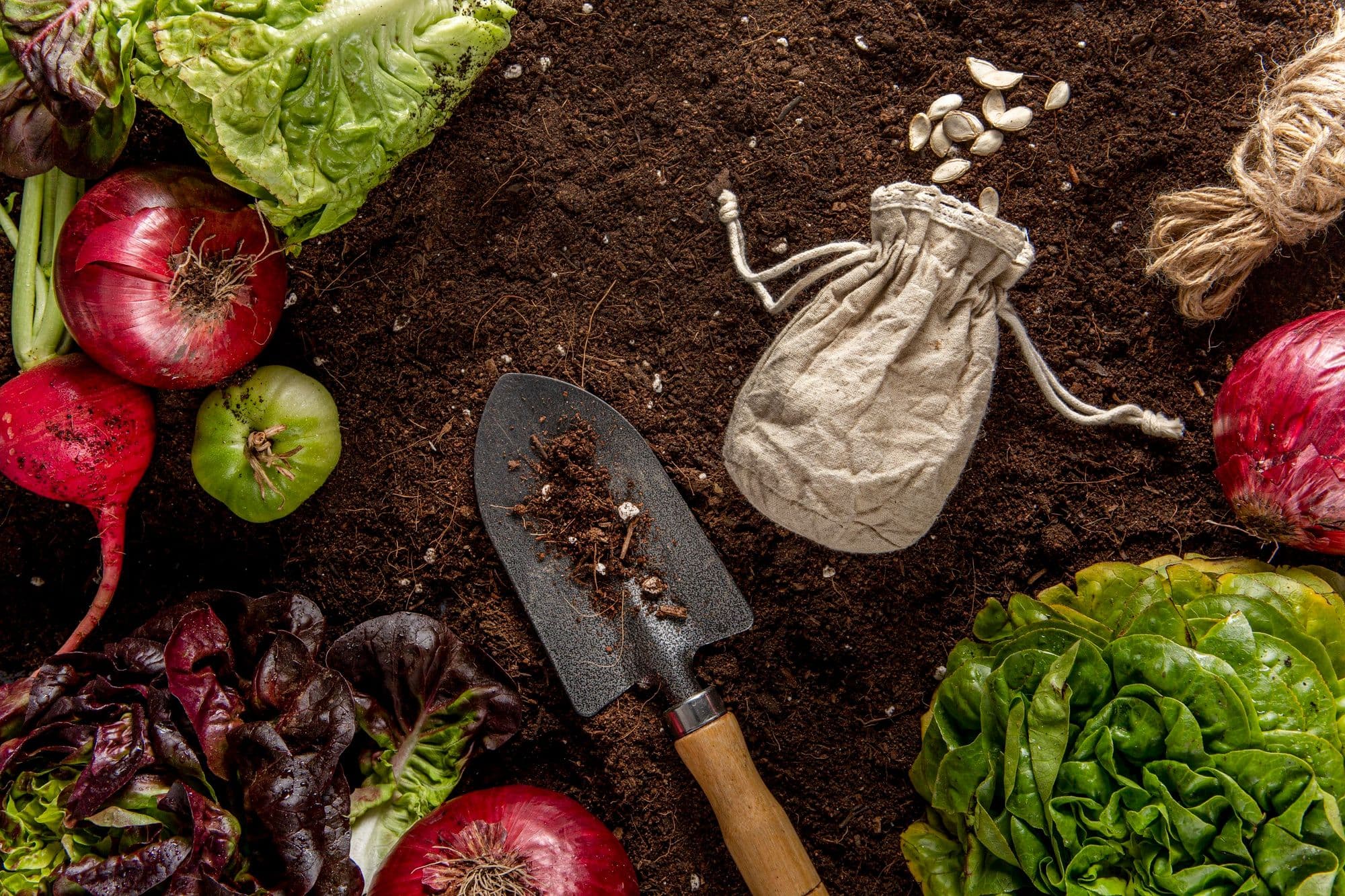
Best Fertilizer for Vegetable Gardens – What to Use for Each Plant
Here, you’ll find the right fertilizer formula for vegetables in your garden. Learn how to adjust feeding correctly throughout the growing cycle, spot nutrient deficiencies by their symptoms, and keep your plants healthy and prolific.
Explore Plants by Care Needs
Identify the plant and problem. Help your plant recover
Identify plant problems early, understand what's wrong, and get clear care guidance. Botan helps you turn guesswork into confident plant care