The World's Rarest Plant Has One Wild Individual Left in South Australia
Along the Coorong coastline in South Australia lies a forgettable stretch of road called Woods Well. Scattered houses, open paddocks, remnan…
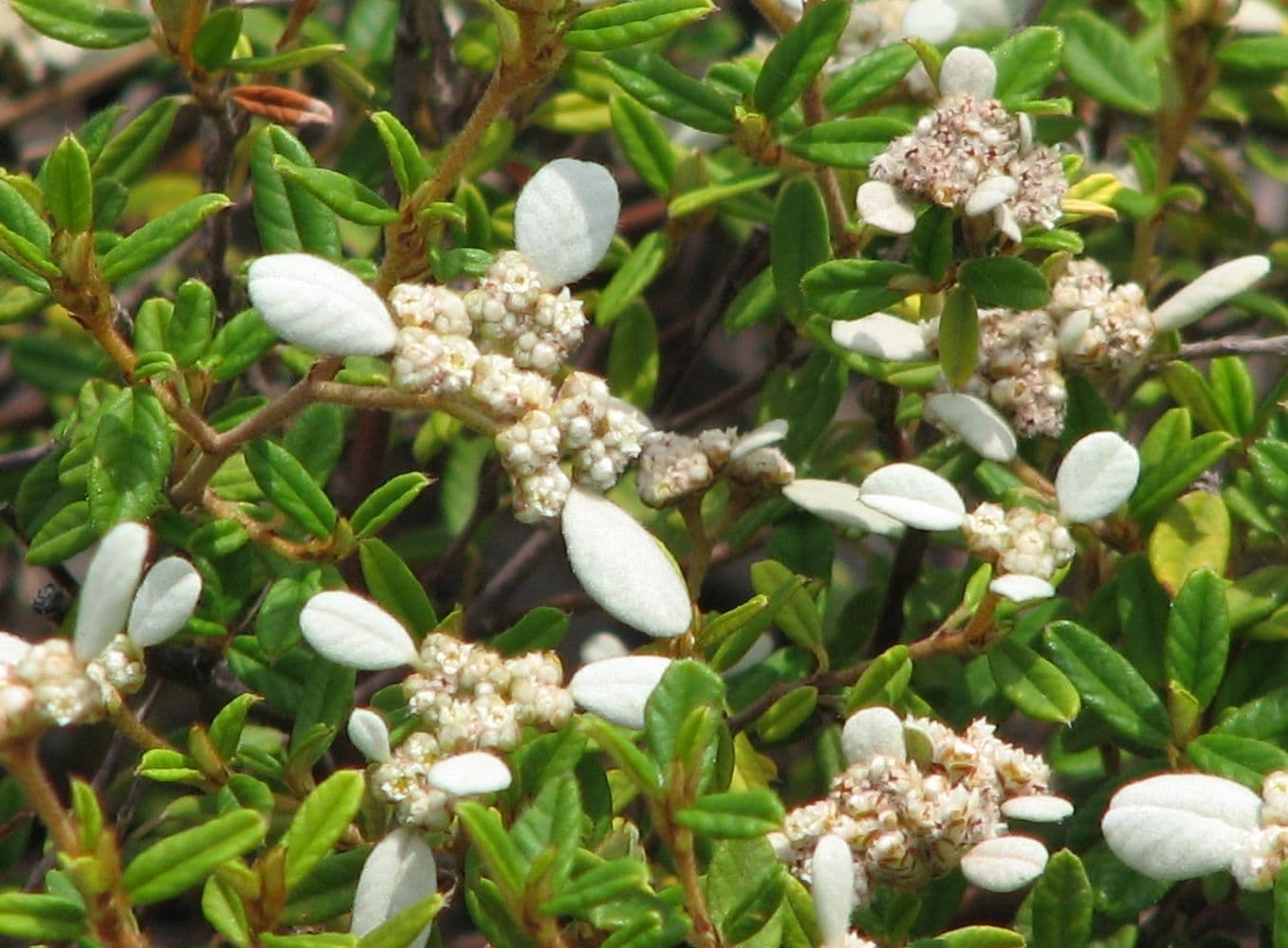
Along the Coorong coastline in South Australia lies a forgettable stretch of road called Woods Well. Scattered houses, open paddocks, remnant scrub… nothing that would make a traveler slow down.
Yet hidden in the roadside vegetation grows what may be the last wild specimen of one of the country's most critically endangered plants.
A Species on the Brink
The Woods Well spyridium is a small mallee shrub, reaching about 1.8 meters in height, with white flowers that offer few obvious clues to its identity.
"It's a pretty hard plant to identify because it doesn't have any really distinctive features," says Dr Robbie Andrew of the Limestone Coast Landscape Board.
The species was first recorded at this roadside location in 1973, but wasn't formally described as a distinct species until 2012 — recognized as related to, yet different from, other rare spyridium varieties found on the Fleurieu Peninsula and Kangaroo Island. At the time of its scientific description, the population had already been declining for years due to land clearing and habitat fragmentation.
Today, only one plant is known to survive in the wild. It is growing in crushed limestone on the road verge, in a narrow strip stretching just 200-300 meters.
Identify Your Plant’s Problem
Scan with Botan for an instant diagnosis — 98%+ accuracy
Seeds Banked Before It Was Too Late
When ecologists first collected seeds from the roadside population in 2006, 35 plants were still alive. Those seeds were split between two institutions: half went to the SA Seed Conservation Center at the Adelaide Botanic Garden, and half were sent to the Millennium Seed Bank at Kew Gardens in London. That early decision now looks prescient.
An additional 3,000 seeds have been collected this year. Several plants are now growing in the botanic garden's seed orchard with other threatened South Australian species. But even under controlled conditions, germination has proven stubbornly difficult.
Why Won't It Grow?
The plant's reluctance to reproduce naturally is one of the central puzzles facing researchers. Scientists suspect that soil disturbance may be the key trigger for germination.
Also, the plant's life cycle compounds the problem. Unlike long-lived trees, Spyridium shrubs survive for decades, setting seed throughout their lives and relying on specific environmental cues to trigger germination. Confined to a small linear strip of roadside, the species has lost access to the natural processes that would normally sustain it.
The Hunt Continues
Targeted searches across nearby properties and conservation areas have so far found no additional wild populations. However, researchers believe there is a reasonable chance that viable seeds remain dormant in the soil near the surviving plant. Trials are planned to test whether controlled burning or deliberate ground disturbance could trigger natural germination.
Of the 45 known Spyridium species in Australia, this is among the rarest and the only one endemic to this particular corner of South Australia.

Dariia Plaksina
Botanist
5 years of botanical research experience
Dariia Plaksina is a biologist, botanist, and writer of informational articles with over 5 years of experience exploring the world of plants, nature, and biology. She studied at Taras Shevchenko National University of Kyiv, Educational and Scientific Center “Institute of Biology and Medicine,” where she built a strong scientific foundation for her future work.
For Dariia, writing is a hobby, a calling, and a way to make reliable knowledge easier to understand. Her articles focus on plant care, plant health, and natural processes, helping readers learn more about the living world through clear, accessible, and science-based explanations.
Related Articles
3 min read · 23 Jul 2026
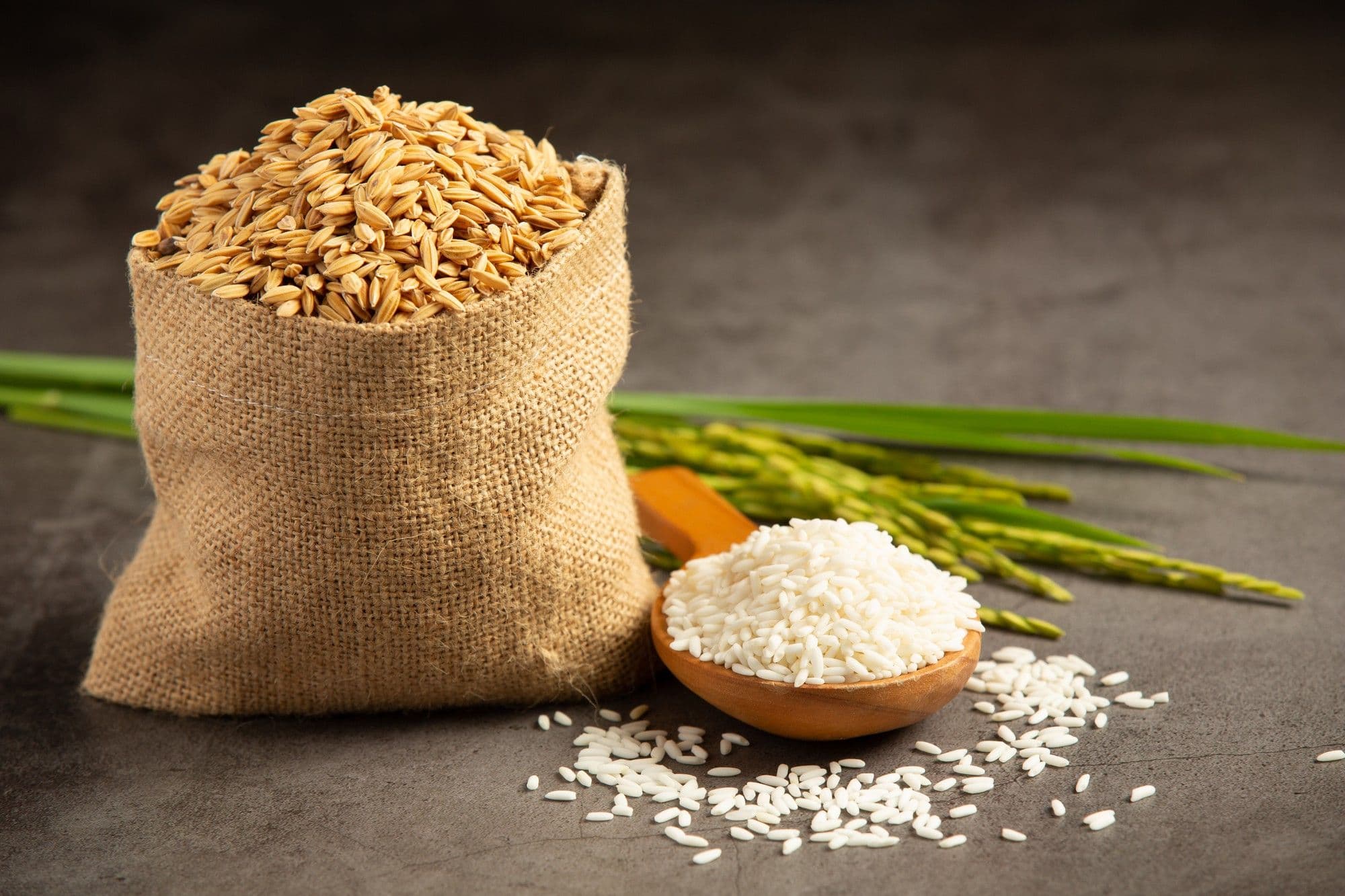
Rice Seeds Germinate 24% Faster When They "Hear" Raindrops
A new study in Scientific Reports provides the first direct evidence that seeds can sense environmental sounds, including rain, as signals to begin growing. The research was led by MIT professor Nicholas Makris and Cadine Navarro.
4 min read · 20 Jul 2026
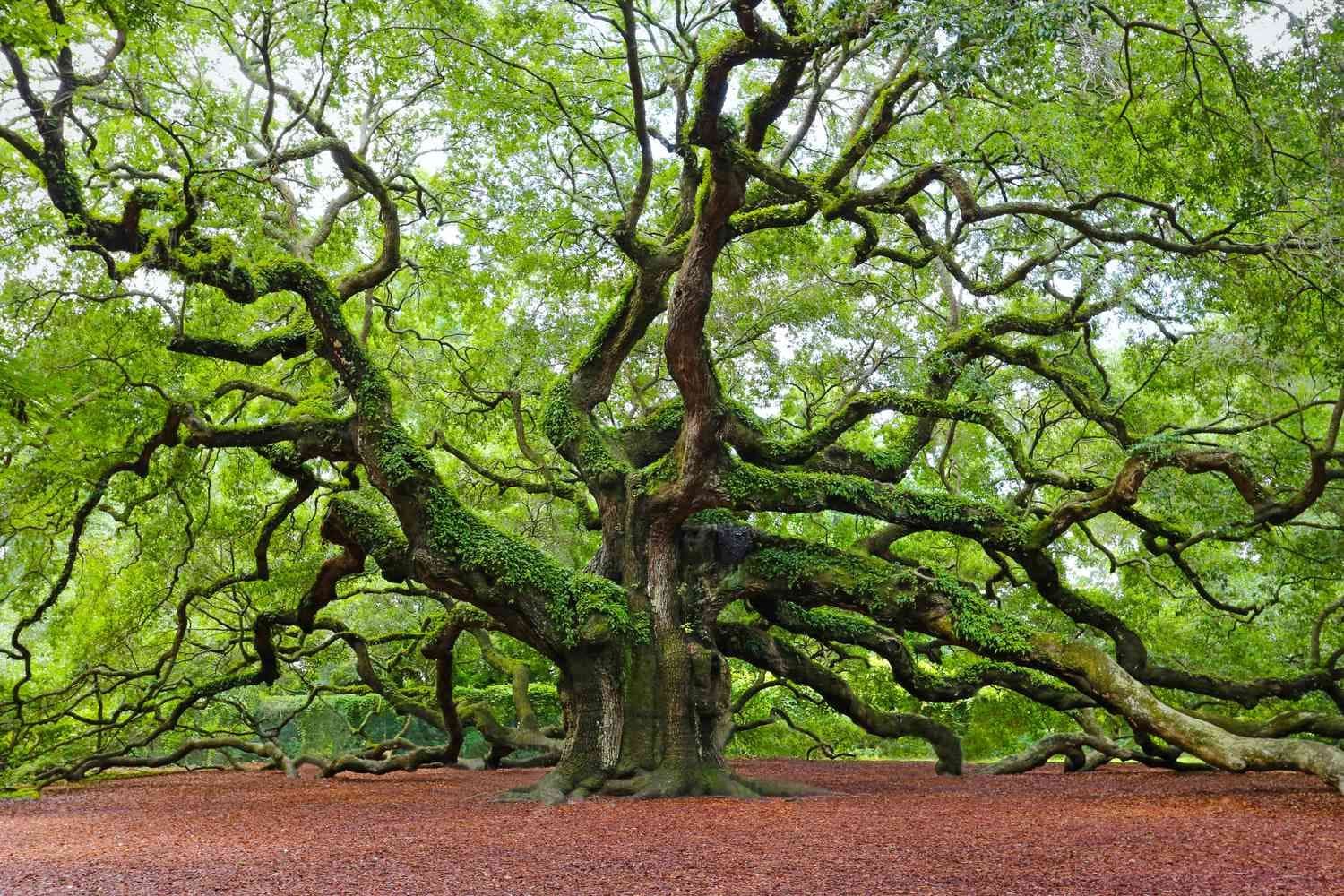
Hidden Carbon Power of Trees
A new study found that oak trees continue absorbing carbon dioxide for months after their growth stops, challenging the long-held assumption that photosynthesis and tree growth always occur together.
7 min read · 30 Jul 2026
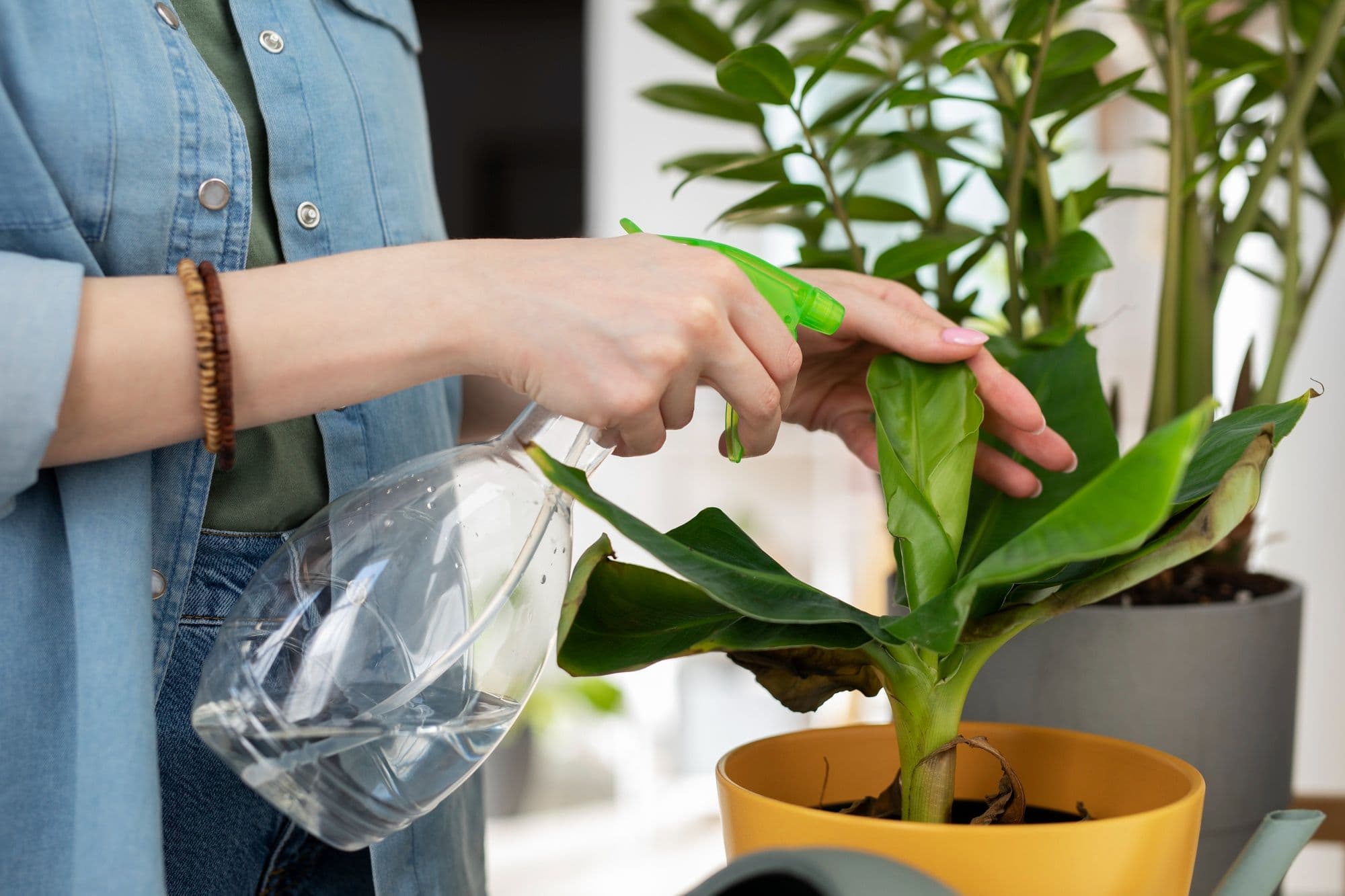
How to Mist Plants – Proper Technique and Common Mistakes
Find out when misting works well and when to avoid it. Here, you’ll find detailed information about compatible and incompatible species, tips on how often to mist plants and do it correctly, and some great alternatives for raising humidity.
Explore Plants by Care Needs
Identify the plant and problem. Help your plant recover
Identify plant problems early, understand what's wrong, and get clear care guidance. Botan helps you turn guesswork into confident plant care