

Chinese Evergreen (Aglaonema 'Silver Bay') Light Needs

Chinese Evergreen grows best in bright, indirect light with brief gentle morning sun tolerated when acclimated.

Light Preference

Bright Indirect Light

Aglaonema 'Silver Bay' Light Requirements

Chinese Evergreen reflects warm, humid forest-understory ancestry, where taller vegetation filters the sun for much of the day. Light is usually dappled or indirect, with short periods of brighter exposure near gaps and edges rather than open, all-day sun.

That background explains why cultivated plants hold their color best with steady brightness but can still tolerate shade. Preferred light is bright indirect or filtered light.

  • Ideal exposure:

    Aglaonema 'Silver Bay' needs about 6–8 hours of bright, indirect or filtered light daily, including up to 1–2 hours of gentle direct morning sun.

  • Direct sun limit:

    Harsh midday or afternoon sun is risky because the broad leaves can scorch behind hot glass.

  • Lower-light tolerance:

    It tolerates lower light, but growth may slow and silver patterning can become less defined.

  • Morning advantage:

    Early eastern light is the safest direct exposure, especially after a gradual move from shade.

Indoors, choose a bright position that avoids long periods of direct hot sun on the leaves.

NSuitable
North-facing window:

Use the brightest north window available, preferably close to the glass, because deeper rooms may be too dim.

EBest
East-facing window:

Place it within 1–3 ft of the window, where morning sun is gentle and afternoon light is indirect.

SConditional
South-facing window:

Keep it 4–8 ft back or filter the sun with a sheer curtain to prevent hot direct rays.

WConditional
West-facing window:

Set it several feet from the window or behind a sheer curtain, since late-day sun can scorch leaves.

If shadows are sharp on the leaves for long periods, move it farther from the glass or add filtering.

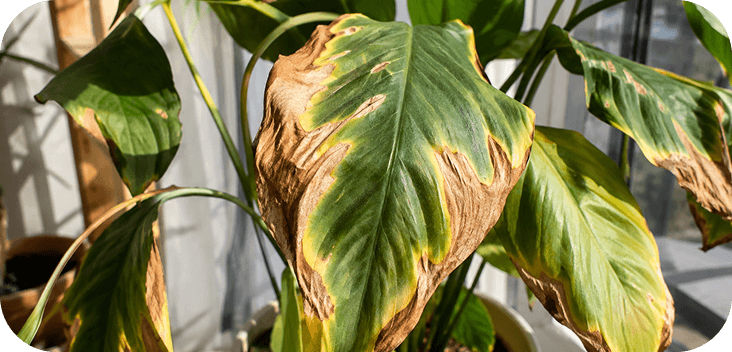
Excess light usually shows first on the most exposed leaves.

Bleached patches:

Silver areas may look washed out or tan where direct sun hits the leaf surface.

Crisp sun spots:

Dry brown patches can form on upper leaves after sudden exposure to hot afternoon sun.

Curling in heat:

Leaves may cup or curl slightly during intense window heat, even if the room feels comfortable.

Faded contrast:

The normal silver and green pattern can lose contrast when light is strong for many hours.

Move Aglaonema 'Silver Bay' out of direct afternoon sun. Use a sheer curtain or shift it 3–6 ft back, then watch new leaves for steadier color.

Low light problems develop slowly, especially away from windows.

  • Leaning growth:

    Stems and leaves may angle toward the nearest bright source instead of growing evenly.

  • Wider spacing:

    New growth can appear more stretched, with longer gaps between leaf clusters.

  • Muted pattern:

    The silver markings may become duller or less distinct as the plant makes leaves in shade.

  • Smaller leaves:

    Fresh leaves may emerge smaller than older leaves during the active growing season.

  • Slow active growth:

    Aglaonema 'Silver Bay' may produce few new leaves in spring and summer when placed too far from light.

Move it closer to a bright window, but avoid sudden direct afternoon sun. Improvement is usually seen in new growth rather than old leaves.

When ideal brightness is not available, choose the brightest spot that does not expose the leaves to long afternoon sun. A slightly dimmer position is better than direct hot sun.

Rotate the pot a quarter turn every 1–2 weeks so new growth does not lean toward one side.

Avoid placing it in the center of a dark room; that setup usually weakens the silver pattern and slows growth.

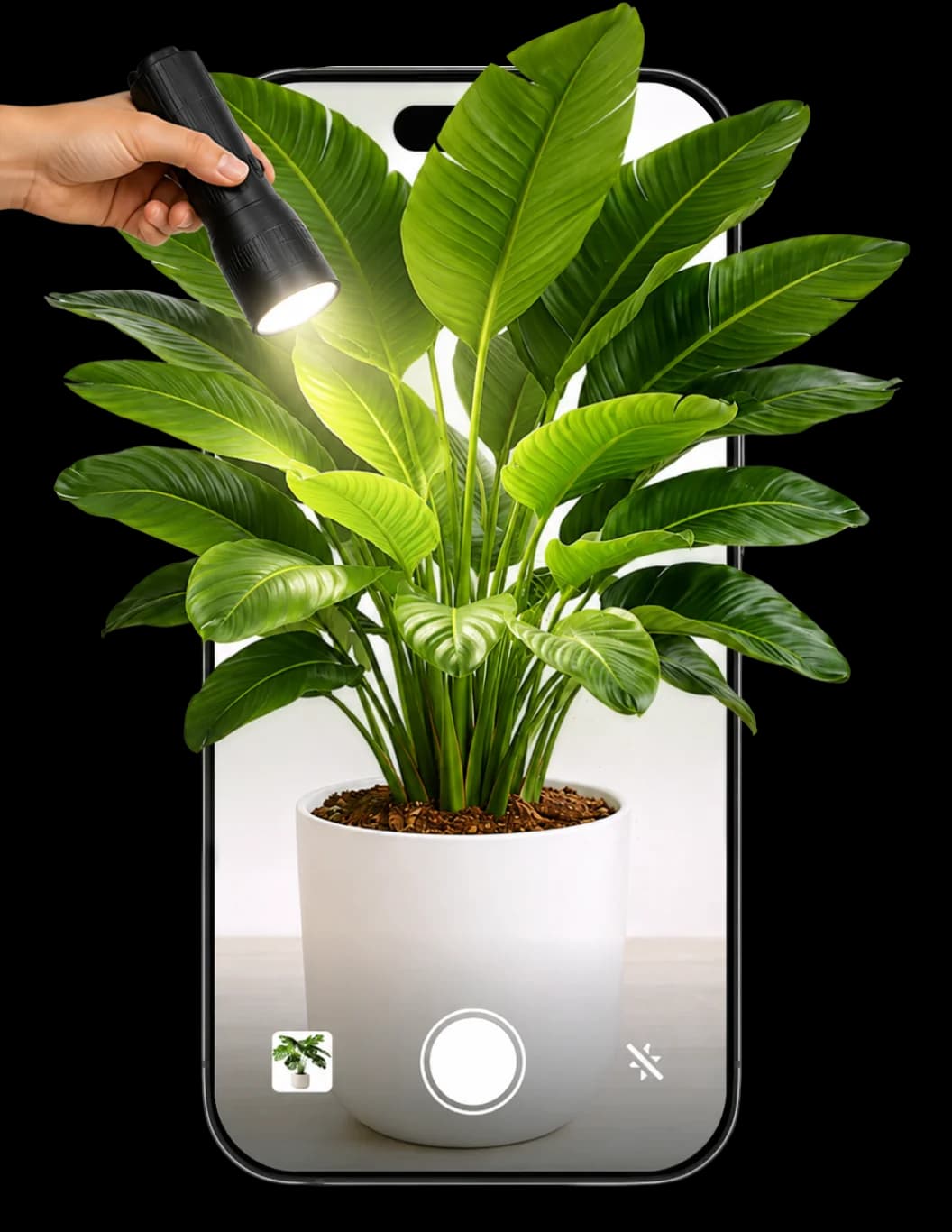
Get Personalized Care Plan

Scan your plant to receive care tips personalized for your specific plant

FAQ

The best light for Chinese Evergreen is bright, indirect light for most of the day. It can handle shade, but steadier brightness supports fuller growth and clearer leaf patterning.

More Plant Light Guides

Get the Botan App

Discover how to care for your plants with Botan.

Botan app identifying a plant with a phone camera
Is Sugar Water Good for Plants?

4 min read · 14 Sept 2026

Is Sugar Water Good for Plants?

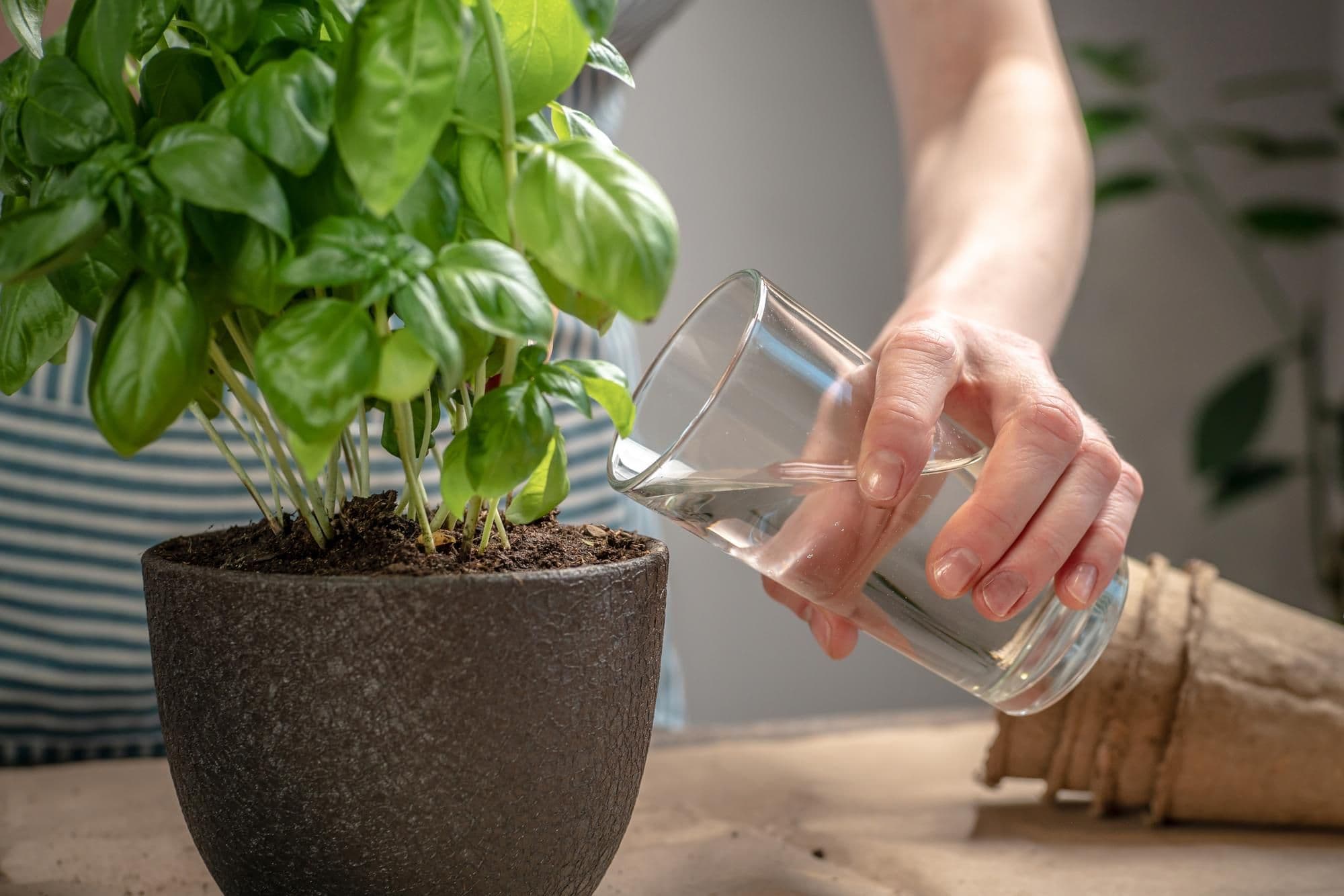
Sugar water may sound like an easy boost, but most rooted plants do not need extra sucrose. This guide explains how green tissues produce carbohydrates, when a sweetened solution can be useful, and why too much can cause problems.

Plant Care
Is Sugar Water Good for Plants?
How to Clean Plant Leaves: A Simple Care Guide

6 min read · 4 Aug 2026

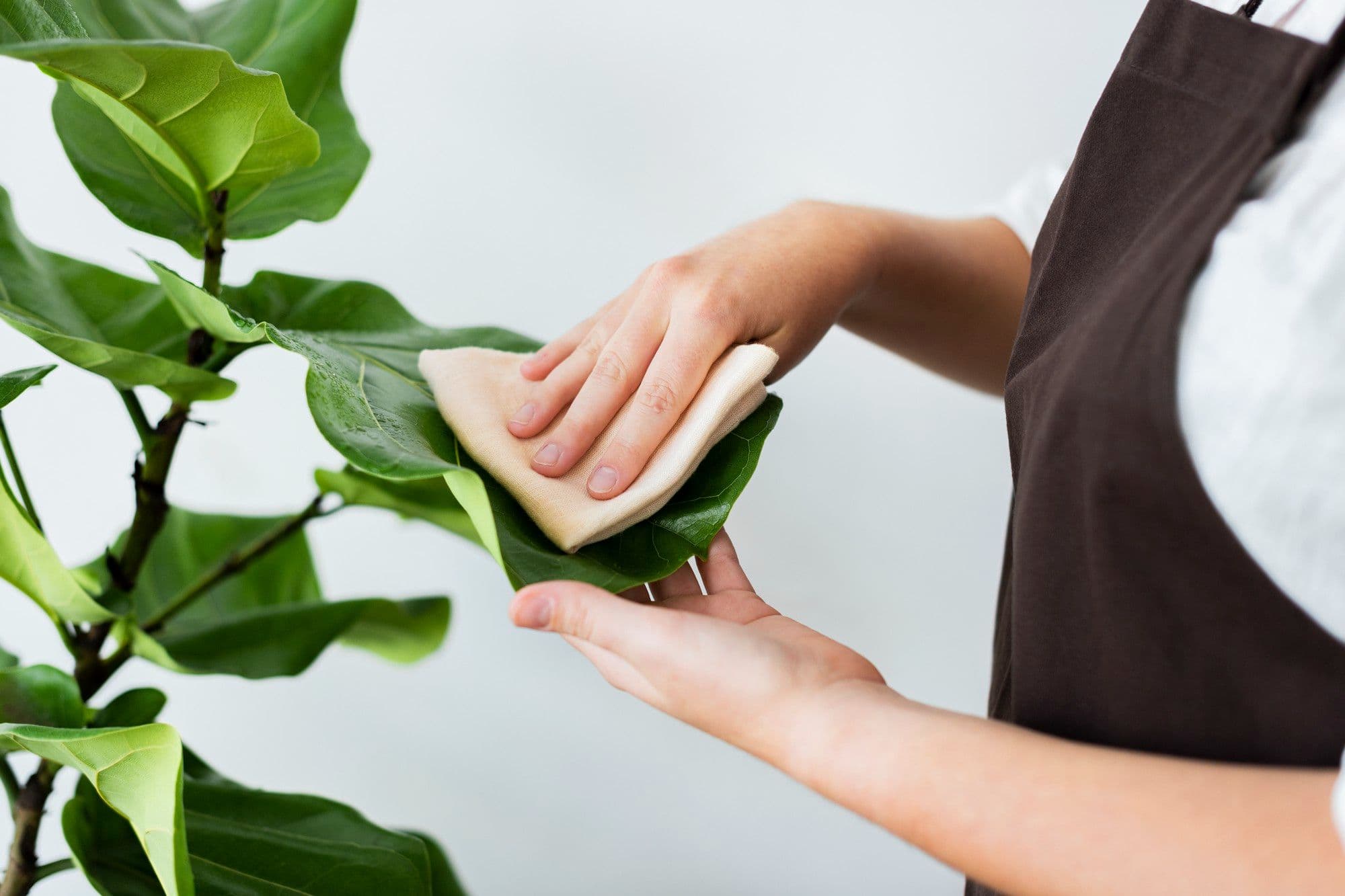
How to Clean Plant Leaves: A Simple Care Guide

Dusty leaves look dull and don't absorb light well. Below, you'll find simple ways to clean them, which tools are truly effective, how often you should do it, and what causes damage.

Beginner Guides
How to Clean Plant Leaves: A Simple Care Guide
How Often to Water Fruit Trees

7 min read · 11 Aug 2026

How Often to Water Fruit Trees

Irrigation needs change as roots establish and weather shifts. This guide gives practical starting intervals, explains how soil and tree type change them, and shows how to recognize both excess moisture and drought stress.

Plant Care
How Often to Water Fruit Trees