Bryonia verrucosa Care

Bryonia verrucosa

About Bryonia verrucosa

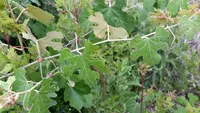
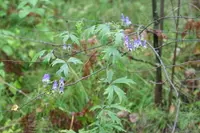
Bryonia verrucosa is a perennial climbing vine in the gourd family, known for its twining stems and tendrilled growth. It typically bears lobed leaves and small, inconspicuous flowers that give way to rounded fruits.

This species occurs naturally in parts of Europe and nearby regions, usually in hedgerows, woodland edges, and scrub. It tends to scramble over nearby vegetation rather than standing upright on its own.

Its vigorous growth and climbing habit can make it demanding to manage in small gardens, and it prefers well-drained soil with moderate moisture. Light conditions from open shade to bright, indirect sun generally suit it, and understanding how to care for Bryonia verrucosa starts with allowing room for its spreading habit.

Main Plant Requirements

Care Difficulty

Moderate Care

Light Preference

Partial Shade

Water Requirements

Moderate Water

Temperature Preference

Warm Climate

Hardiness Zone

Unknown

Soil Texture

Loamy

Soil pH

Slightly acidic (6.5–7.0)

Soil Drainage

Well-drained

Fertilization

Minimal (feed rarely)

Get Personalized Care Plan

Scan your plant to receive care tips personalized for your specific plant

Available on iOS and Android

How to Care for the Bryonia verrucosa

This scrambling perennial prefers bright, open conditions without prolonged harsh exposure.

  • Provide 4–6 hours of direct morning sun with light afternoon shade, or filtered sun all day along a hedge or shrub support.
  • Tolerates partial shade, but stems of Bryonia verrucosa become weak and flowering declines if it receives less than about 3–4 hours of direct or bright, open light.
  • In hot summers, protect from strong afternoon sun to reduce leaf scorch and drying; in cooler seasons, allow more open exposure to maximize growth.

This vining species prefers evenly moist but not saturated soil during active growth.

  • Water when the top 3–5 cm of soil feel dry, then soak the root zone thoroughly, allowing excess to drain away from the planting area.
  • During cool seasons or dormancy, reduce watering so the soil dries slightly deeper between waterings, preventing root problems in heavy or clay soils.
  • Signs of overwatering include yellowing, soft stems, and sour-smelling soil; underwatering shows as limp, dull foliage and rapid wilting in sun, even in well-drained ground.

This temperate climber grows best in mild, frost-free conditions during the active season.

  • Optimal growth occurs around 60–77°F (16–25°C), with stable, moderate temperatures supporting strong vine and root development outdoors.
  • The plant tolerates brief drops near 32°F (0°C) but is sensitive to hard frost; repeated freezing can kill top growth and damage crowns.
  • In hot regions, growth may slow above 86°F (30°C); provide mulch to cool the root zone and avoid planting where reflective heat builds up.

This vine prefers moderate ambient humidity and usually adapts well to typical household levels.

  • Aim for 40–60% humidity; it tolerates brief dips lower but prolonged very dry air can slow growth.
  • Watch for crisp leaf edges, curling, and stalled new shoots as signs of low humidity stress.
  • Increase humidity locally with a nearby water tray, grouped plants, or a small humidifier rather than misting leaves directly.

Bryonia verrucosa grows best in loose, well-drained, moderately fertile soil.

  • Use a loamy mix with roughly equal parts garden soil, compost, and coarse sand or fine grit for structure.
  • Ensure rapid drainage so water does not pool; roots are sensitive to persistent saturation and may rot.
  • Keep pH slightly alkaline to neutral, around 7.0–7.8, by avoiding strongly acidic peat-heavy mixes.
  • Improve aeration and drainage by adding 20–30% mineral material such as sharp sand, fine gravel, or perlite.

This species can be grown in containers outdoors if the pot supports its vining habit and drainage needs.

  • Choose a deep, stable container that resists tipping once the vine climbs or is trained on a support.
  • Select a pot material like heavy terracotta or ceramic to balance the top-heavy growth and moderate moisture loss.
  • Provide a firm trellis or frame anchored in the pot so stems do not pull or crack the container as they elongate.

This wild perennial vine typically needs little to no feeding in garden soil, so fertilization of Bryonia verrucosa is rarely essential.

Pruning Bryonia verrucosa is mainly about controlling growth and maintaining safety where it scrambles over supports or nearby plants.

  • Carry out light pruning in late winter or early spring before vigorous new growth starts.
  • Remove dead, damaged, or badly tangled stems with clean, sharp hand pruners.
  • Thin out congested shoots at the base to improve air flow and reduce disease risk.
  • Shorten or redirect overlong vines to contain spread and prevent smothering nearby vegetation.

This species is usually grown in the ground, so focus on careful transplanting rather than frequent repotting.

  • Transplant in early spring or early autumn when temperatures are mild and soil is workable.
  • Look for signs like poor vigor, crowding, or unsuitable site conditions as cues to move the plant.
  • Lift with a wide root ball, keeping roots as intact as possible to limit transplant shock.
  • Replant at the same depth in well-drained soil, water thoroughly, then keep evenly moist until re-established.

Propagation of Bryonia verrucosa is usually done by seed and is more common in specialist or conservation settings than in home gardens.

  • Collect ripe berries and extract seeds, wearing gloves, as all plant parts are toxic if ingested.
  • Sow seeds in autumn or late winter in a cold frame; natural chilling helps break dormancy.
  • Use a free-draining seed mix, keep slightly moist, and provide bright, indirect light for germination.
  • Transplant seedlings once they are sturdy, disturbing roots as little as possible to avoid setback.

This hardy temperate-climate vine generally needs minimal winter care once established in the ground.

  • The top growth dies back in cold weather, but underground parts usually tolerate normal frosts.
  • Apply a light mulch layer around the root zone in late autumn in regions with severe freezes.
  • For container-grown plants, move pots into a sheltered, unheated but frost-free spot for winter.

Care Tips

Install sturdy trellis

Provide a strong, tall trellis or wire frame at planting so the vine can climb safely and its brittle stems are supported during rapid growth and windy weather.

Root zone mulching

Apply a 3–5 cm layer of coarse organic mulch around, but not touching, the crown to keep roots cool, reduce water stress, and limit weed competition.

Early shoot thinning

In early spring, remove weak, damaged, or crowded new shoots at the base to improve air movement, reduce mildew risk, and direct energy into a few strong vines.

Regular tendril guidance

Check tendrils weekly and gently hook them onto the support structure so stems do not sprawl on the ground, where they are more prone to rot and pest damage.

Seed pod management

If natural self-sowing is not desired, remove developing fruits before they fully ripen and dispose of them securely, as part of responsible Bryonia verrucosa care instructions in gardens with children or pets.

Common Pests and Diseases

Powdery mildew

This disease commonly affects Bryonia species in warm, dry conditions, forming white, powdery patches on leaves, stems, and tendrils. Symptoms include leaf yellowing, distortion, and gradual decline in vigor.

Solution

Remove and discard heavily infected leaves to reduce spore load, then improve air circulation by reducing overcrowding and avoiding overhead watering. If needed, apply a sulfur- or potassium bicarbonate-based fungicide labeled for cucurbits, starting early in the infection and repeating as directed for effective Bryonia verrucosa care instructions.

Downy mildew

This disease develops in cool, humid weather and causes yellow, angular spots on the upper leaf surface with gray to purple fuzzy growth on the underside. Symptoms include leaf blight and rapid defoliation if conditions stay wet.

Solution

Promptly remove and destroy infected foliage, and water at the soil level early in the day so leaves dry quickly. Increase spacing and airflow, avoid prolonged leaf wetness, and use a copper-based fungicide labeled for cucurbits when weather conditions favor disease spread.

Cucumber mosaic virus

This disease is transmitted mainly by aphids and sometimes contaminated tools, leading to mottled, distorted leaves and stunted, poorly developed vines. Symptoms include mosaic light-and-dark patterns, leaf narrowing, and reduced flowering or fruiting if present.

Solution

Remove and destroy infected plants since viral diseases cannot be cured, and disinfect tools after use. Control aphid populations on and around the plant, remove nearby weed hosts, and avoid planting new Bryonia close to previously infected sites.

Aphids

These insects cluster on tender shoot tips, leaf undersides, and flower stalks, sucking sap and excreting sticky honeydew. This pest causes distorted growth, yellowing, and may transmit viral diseases in Bryonia species.

Solution

Physically remove aphids by spraying foliage with a firm stream of water, then introduce or conserve natural predators such as lady beetles if outdoors. When populations remain high, use insecticidal soap or a neem-oil spray, coating leaf undersides and repeating at 5–7 day intervals as needed.

Spider mites

These pests thrive in hot, dry conditions and feed on the undersides of leaves, causing fine stippling, bronzing, and eventual leaf drop. Symptoms include delicate webbing between leaves and stems, and a general loss of plant vigor.

Solution

Increase humidity around the plant and rinse foliage thoroughly with lukewarm water, focusing on leaf undersides to dislodge mites. For persistent infestations, apply horticultural oil or insecticidal soap at regular intervals, ensuring full coverage while avoiding application in strong direct sun to prevent leaf burn.

Interesting Facts

Warty-fruited climber

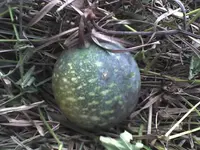
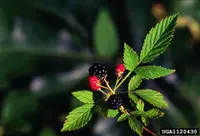
This species is recognized by its small, warty (verrucose) fruits, which give the plant its name and help distinguish it from other Bryonia species with smoother berries.

Restricted European range

Bryonia verrucosa has a relatively limited natural distribution in parts of southern Europe, occurring in specific calcareous or rocky habitats rather than being widespread across the continent.

Dioecious flower system

The plant is dioecious, meaning male and female flowers occur on separate plants, so fruit only forms where female plants grow close enough to male plants for pollination.

FAQs about Bryonia verrucosa

All parts of this species are considered poisonous if eaten, especially the roots and berries. Ingestion can cause severe digestive upset and other systemic symptoms. Keep it away from children, pets, and livestock.

Grow Healthy Plants with Botan Care

Keep your plants happy and healthy with plant identification, disease detection, and easy care guidance.

Botan plant care app — identify plants on mobile

Explore More Plants