Root zone protection
Apply a 5–8 cm layer of inorganic mulch such as gravel or coarse sand around the root zone to stabilize soil temperature, reduce weed competition, and discourage pets or wildlife from contacting the toxic leaves and seeds.

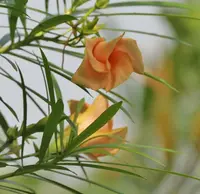
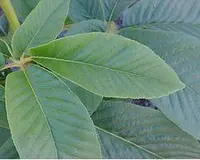
Yellow oleander, Cascabela thevetia, is an evergreen shrub or small tree valued for its bright yellow, funnel-shaped flowers and narrow, glossy leaves. It often forms a dense, upright canopy that can be trained as a hedge or specimen plant in warm climates.
This species is native to tropical and subtropical regions, especially in Mexico and Central America, and is now widely planted in similar climates worldwide. It grows relatively fast and is generally hardy once established, but its toxic sap and seeds require careful placement away from children and pets.
Yellow oleander prefers full sun, well-drained soil, and moderate moisture, and it tolerates heat and short dry periods. Gardeners should always care for Yellow oleander with awareness of its toxicity and potential invasive behavior in some regions.

Care Difficulty
Moderate Care

Light Preference
Full Sun

Water Requirements
Low Water

Temperature Preference
Tropical / Frost Sensitive

Hardiness Zone
9–11

Soil Texture
Sandy, Loamy

Soil pH
Slightly acidic (6.5–7.0), Slightly alkaline (7.0–7.5)

Soil Drainage
Well-drained

Fertilization
Minimal (feed rarely)
Scan your plant to receive care tips personalized for your specific plant
Available on iOS and Android
Cascabela thevetia thrives in strong light and performs best in full sun in warm climates.
Cascabela thevetia prefers moderately dry conditions and is drought-tolerant once established.
This shrub favors warm climates and does best with stable, frost-free temperatures.
This species tolerates dry air well, so humidity is rarely a limiting factor indoors or outdoors.
Cascabela thevetia prefers fast-draining, slightly sandy soil that does not stay wet for long.
This shrub can be grown successfully in large containers when given enough root space and strong drainage.
Cascabela thevetia benefits from moderate feeding to support flowering and steady growth.
Pruning helps Cascabela thevetia maintain a safe size, strong framework, and good flowering performance.
This shrub is usually grown in the ground, so focus on careful transplanting or occasional container up-potting when rootbound.
Cascabela thevetia is commonly propagated by semi-hardwood cuttings or seeds under warm, controlled conditions.
This tropical shrub is frost-sensitive and needs protection in climates with cold winters.

Plant Health Check
Not sure what's wrong with your plant? Check your plant's health inside the app.
All parts of this shrub contain potent cardiac glycosides, especially the milky latex, which can disrupt heart function if ingested and is considered dangerous to humans and many animals.
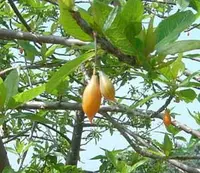
The woody, furrowed fruits float and often spread along rivers, canals, and coastal waters, helping the species naturalize in tropical and subtropical regions outside its native range.
This species evolved in seasonally dry tropical environments and tolerates intense sun and prolonged dry periods once established, which contributes to its frequent use as a hardy ornamental in hot climates.

In several regions, including parts of India and Africa, this species has become a problematic invasive plant, forming dense thickets along waterways and disturbed sites that outcompete native vegetation and are difficult to remove due to its persistent root system and toxic biomass.
All parts of this species are highly toxic to humans and animals if ingested, including leaves, flowers, seeds, and sap. Symptoms can be severe and potentially fatal. Always keep it away from children, pets, and livestock.
Keep your plants happy and healthy with plant identification, disease detection, and easy care guidance.