Casimiroa greggii Care

Casimiroa greggii

About Casimiroa greggii

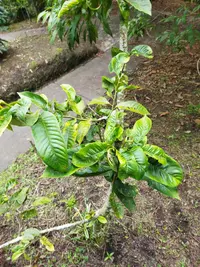
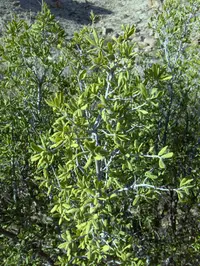
Casimiroa greggii is a small evergreen tree or large shrub from arid and semi-arid regions of northeastern Mexico and southern Texas. It belongs to the citrus family Rutaceae and is related to other aromatic, oil-producing species.

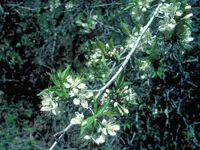
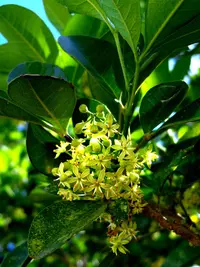
Plants have a rounded, branching habit with dense, leathery foliage and small, pale flowers, followed by modest fruit in suitable climates. The species is adapted to heat, sun, and seasonal drought, which generally makes it low-maintenance in warm, dry regions.

Understanding how to care for Casimiroa greggii starts with providing strong light, excellent drainage, and protection from prolonged freezing, as this species is not very cold tolerant.

Main Plant Requirements

Care Difficulty

Moderate Care

Light Preference

Full Sun

Water Requirements

Low Water

Temperature Preference

Warm Climate

Hardiness Zone

9–11

Soil Texture

Sandy, Loamy, Rocky

Soil pH

Slightly acidic (6.5–7.0), Slightly alkaline (7.0–7.5)

Soil Drainage

Well-drained

Fertilization

Minimal (feed rarely)

Get Personalized Care Plan

Scan your plant to receive care tips personalized for your specific plant

Available on iOS and Android

How to Care for the Casimiroa greggii

This drought-tolerant small tree prefers bright, open conditions typical of warm, dry regions.

  • Provide 6–8 hours of direct sun daily; light afternoon shade is helpful in hotter inland climates to reduce leaf scorch.
  • Young Casimiroa greggii plants benefit from 2–4 hours of gentle morning sun plus bright, filtered light for the rest of the day.
  • In summer, watch for pale, crispy leaf edges as a sign of too much intense sun, and in too much shade expect weak, elongated shoots and sparse flowering.

This species prefers deep, infrequent watering once established, with time for the soil to dry between soakings.

  • Outdoors in well-drained ground, water only when the top 5–8 cm of soil is dry, applying a slow, deep soak rather than light splashes.
  • In the first 1–2 growing seasons, increase frequency slightly so the root zone stays lightly moist but never saturated, especially in sandy soils.
  • Reduce watering in cool seasons; yellowing leaves, soft stems, or a sour soil smell suggest overwatering, while dull, curling leaves indicate the tree needs water.

This warm-temperate tree prefers mild winters and hot, dry summers typical of arid or semi-arid regions.

  • Active growth is best at 70–90°F (21–32°C), with stable warmth promoting stronger shoots and flowering.
  • Mature trees can survive brief drops to about 24–26°F (−4 to −3°C), but young plants are more tender and benefit from frost cloth or site protection.
  • In prolonged heat above 100°F (38°C), provide extra soil moisture and, if possible, light afternoon shade to limit stress and leaf scorch.

This drought-tolerant species handles low humidity well, so air moisture is rarely a concern indoors or outdoors.

This species prefers well-drained, slightly sandy mineral soils that do not stay wet for long.

  • Use a mix of roughly 50% sandy or loamy garden soil, 30–40% coarse sand, and 10–20% compost for structure and nutrients.
  • Aim for slightly acidic to neutral pH around 6.5–7.2, avoiding strongly acidic or alkaline conditions that restrict nutrient uptake.
  • Ensure water drains from the root zone within minutes; add coarse sand or fine gravel if water lingers or the mix compacts.
  • Avoid heavy clay, peat-heavy, or constantly wet substrates, which greatly increase the risk of root rot in Casimiroa greggii.

This shrub can be grown in containers for many years if given a stable, well-drained setup.

  • Choose a deep, heavy container that resists tipping, as woody top growth can become wind-sensitive outdoors.
  • Use a very free-draining, sandy mix so water runs through quickly, preventing prolonged saturation around the woody roots.
  • Elevate the pot on feet or bricks to keep drainage holes clear and maintain rapid outflow after rain or irrigation.

This drought-tolerant small tree needs only light feeding when grown in managed landscapes or containers.

  • Use a balanced NPK fertilizer (such as 10-10-10) or well-rotted compost for Casimiroa greggii in spring.
  • Apply fertilizer at half strength every 6–8 weeks during the active growing season if growth appears weak.
  • Reduce or stop feeding in fall and winter when growth naturally slows.
  • Always water before and after fertilizing to reduce root burn risk and improve nutrient uptake.

Pruning helps maintain structure, safety, and air flow in this small evergreen tree.

  • Carry out main pruning in late winter or very early spring, before strong new growth starts.
  • Remove dead, diseased, crossing, or storm-damaged branches with clean, sharp bypass pruners or a pruning saw.
  • Thin congested interior shoots to improve air circulation and light penetration, keeping a balanced canopy.
  • Limit heading cuts; instead, use selective thinning cuts to guide size and form without stressing the tree.

This species is usually grown in the ground, but young plants may start in containers before transplanting.

  • Plan major transplanting for late winter to early spring when the plant is just exiting dormancy.
  • Look for roots circling the pot, frequent wilting, or slowed growth as signals a container plant needs a larger space.
  • Shift into a container or planting hole only 1–2 sizes larger, using free-draining, slightly sandy soil.
  • Water thoroughly after moving, shade for a few days, and keep soil evenly moist to reduce transplant shock.

Propagation is most reliable from fresh seed, with cuttings as a secondary method for advanced growers.

  • Sow ripe seeds in late winter to spring in a well-drained, sandy seed mix kept around 70–75°F.
  • Lightly cover seeds, maintain consistent moisture, and allow several weeks to months for germination.
  • For semi-hardwood cuttings, take 10–15 cm pieces in late spring, remove lower leaves, and dip in rooting hormone.
  • Place cuttings in a warm, humid, bright but shaded environment until roots form, then harden off gradually.

This species has moderate frost tolerance but benefits from basic winter precautions in cooler climates.

  • Mature plants may handle brief light frosts, but young trees are more sensitive to subfreezing temperatures.
  • Apply a 5–8 cm mulch layer around the root zone in late fall, keeping it away from the trunk.
  • Wrap young trunks with breathable tree wrap in frosty areas to reduce bark damage risk.
  • Move container plants indoors or into an unheated greenhouse when temperatures approach freezing.

Care Tips

Early framework training

In the first 2–3 years, select 3–5 well-spaced main branches and lightly tip-prune competing shoots to build a strong, open framework that supports future fruit and reduces limb breakage in wind.

Wind and stake management

In windy sites, use 2–3 low, flexible stakes and soft tree ties for young plants, then gradually loosen and remove them over 12–18 months so the trunk strengthens rather than becoming dependent on support.

Calcium and fruit quality

To reduce fruit splitting and improve skin strength, maintain even moisture and apply a balanced fertilizer that includes calcium and micronutrients, especially during the main fruit swelling period.

Cold snap protection

Before forecast drops below 28–30°F, water the root zone thoroughly, mulch 5–8 cm deep, and wrap the trunk with frost cloth or breathable insulation to protect young bark from cold damage.

Routine pest scouting

Inspect new flushes and the undersides of leaves every 1–2 weeks for scale, mealybugs, and leaf miners, and spot-treat early with horticultural oil or insecticidal soap instead of waiting for a heavy infestation when caring for Casimiroa greggii.

Common Pests and Diseases

Citrus mealybugs

This pest feeds on young stems, leaf undersides, and fruiting structures, sucking sap and excreting sticky honeydew that encourages sooty mold growth.

Solution

Remove visible clusters with a cotton swab dipped in 70% isopropyl alcohol, then hose down the plant to dislodge remaining insects and honeydew; for heavier infestations use repeated applications of insecticidal soap or horticultural oil, ensuring thorough coverage of leaf undersides and branch crotches while avoiding treatment during peak heat.

Scale insects

These insects attach firmly to stems and leaves, appearing as small domes or bumps and causing gradual yellowing, reduced vigor, and twig dieback as they remove sap.

Solution

Scrape or rub off accessible scales by hand or with a soft brush, prune out heavily infested twigs, then apply horticultural oil during mild weather to smother remaining juveniles, repeating at 7–14 day intervals while monitoring beneficial insects that may help control the population.

Citrus leaf miners

This pest is the larval stage of a small moth; symptoms include silvery, winding tunnels in young leaves that twist and distort new growth, reducing photosynthesis.

Solution

Prune and destroy leaves with the freshest mines to remove larvae, avoid heavy nitrogen fertilization that pushes very soft new growth, and protect new flushes with horticultural oil sprays timed to early leaf expansion, taking care not to apply during high temperatures above about 85°F.

Anthracnose

This disease causes small, sunken, dark lesions on leaves, young shoots, or fruit, which can coalesce in humid conditions and lead to tip dieback or premature leaf drop.

Solution

Prune out and dispose of infected twigs and leaves, improve canopy airflow by thinning crowded branches, avoid overhead irrigation that keeps foliage wet, and use a copper-based fungicide during extended wet periods if the plant has a history of recurring infections as part of broader Casimiroa greggii care instructions.

Gummosis

This disease-related condition involves oozing, amber-colored gum from the trunk or major branches, often associated with fungal infection at wounds or areas of bark injury and may lead to bark cracking or localized dieback.

Solution

Carefully remove loose, dead bark around affected areas to expose firm tissue, improve drainage and avoid mechanical injury or water standing at the base, and if the lesion is spreading, apply a labeled fungicide to the canker margins while also reducing irrigation frequency until the area dries and callus tissue begins to form.

Interesting Facts

Desert stream specialist

This small tree naturally occurs along dry washes, arroyos, and seasonally moist canyon bottoms in northern Mexico and south Texas, showing strong adaptation to brief pulses of water followed by extended dry periods.

Relatives of white sapote

It belongs to the Rutaceae family and is closely related to Casimiroa edulis (white sapote), but unlike its fruit-tree relative, it forms much smaller, less fleshy fruits that are not commonly cultivated or traded.

Geographically restricted range

The species has a relatively narrow natural distribution, mainly in the Tamaulipan thornscrub and adjacent habitats, which makes local habitat protection important for long‑term growing Casimiroa greggii.

Botan icon

Did you know?

Casimiroa greggii has been studied as part of floristic surveys of the Tamaulipan region, where its presence helps botanists characterize distinct plant communities that transition between arid thornscrub and more temperate woodland habitats.

FAQs about Casimiroa greggii

Yes, this species adapts well to large containers if roots have enough depth and good drainage. Use a sturdy pot, refresh the top substrate regularly, and up-pot when growth slows or roots circle the container.

Grow Healthy Plants with Botan Care

Keep your plants happy and healthy with plant identification, disease detection, and easy care guidance.

Botan plant care app — identify plants on mobile

Explore More Plants