Wax palm Care (Ceroxylon quindiuense)

Also known as: Quindio Wax Palm
Wax palm

About Wax palm

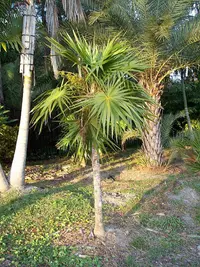
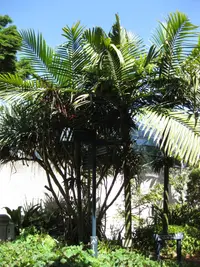
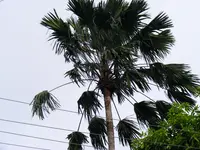
The wax palm, Ceroxylon quindiuense, is a towering feather-leaved palm native to high-elevation cloud forests of the Andes, mainly in Colombia. It is Colombia’s national tree and one of the tallest palm species in the world outdoors.

In nature it forms a straight, slender trunk with a smooth, waxy surface and a high crown of elegant, arching fronds. It grows slowly and needs many years to reach significant height.

For cultivation, it is better suited to mild, cool, frost-free climates and is not a typical indoor plant. Those who care for Wax palm must provide cool air, bright light, and excellent drainage to keep it healthy.

Main Plant Requirements

Care Difficulty

Hard Care

Light Preference

Partial Shade

Water Requirements

Regular Water

Temperature Preference

Cool Climate

Hardiness Zone

9–11

Soil Texture

Loamy, Silty, Organic-rich

Soil pH

Acidic (5.5–6.5), Slightly acidic (6.5–7.0)

Soil Drainage

Moist but well-drained

Fertilization

Minimal (feed rarely)

Get Personalized Care Plan

Scan your plant to receive care tips personalized for your specific plant

Available on iOS and Android

How to Care for the Wax palm

This high-elevation palm prefers bright conditions with protection from harsh lowland sun.

  • Provide 4–6 hours of bright, indirect light or gentle morning sun, with stronger midday sun filtered through taller trees or shade cloth.
  • Tolerate light partial shade, but dense shade slows growth and causes thin, stretched fronds; increase exposure gradually in such cases.
  • In hot summers, protect Wax palm from intense afternoon sun to prevent leaf scorch, especially in exposed sites or at lower elevations.

This species prefers consistently moist, cool soil without waterlogging.

  • Maintain soil that stays evenly moist; allow only the top 2–3 cm to dry slightly before watering again in established plantings.
  • Use deep, infrequent watering that penetrates 20–30 cm, combined with sharply draining, organic-rich soil to avoid root rot.
  • Increase watering during warm, windy periods and reduce slightly in cooler seasons; dull, yellowing fronds suggest overwatering, while crisp brown tips often indicate drought stress.

This cloud-forest palm is adapted to cool, stable temperatures rather than heat or frost.

  • Aim for 50–70°F (10–21°C) for active growth, with best vigor in consistently cool, humid climates at higher elevations.
  • Protect from temperatures below 28–30°F (-2 to -1°C); even brief frosts can damage fronds, and repeated freezing may kill young plants.
  • Heat above 82–86°F (28–30°C), especially with low humidity, can stress Ceroxylon quindiuense; provide shade, mulch, and wind protection during hot spells.

This high-elevation palm prefers cool, moderately humid air and dislikes very dry indoor conditions.

  • Aim for 50–70% humidity, especially for young plants grown in pots.
  • It tolerates brief drops to 30–40%, but prolonged dry air causes browning leaf tips and fraying edges on Wax palm fronds.
  • Increase humidity with grouped plants, a wide pebble tray under the pot, or a cool-mist humidifier placed nearby.

Ceroxylon quindiuense needs deep, moist but free-draining, organic-rich soil to support its slow but large eventual size.

  • Use a loamy mix with 40–50% organic matter, such as composted bark and leaf mold, blended with mineral components for structure.
  • Ensure strong drainage by combining roughly 50% composted material with 25% perlite or pumice and 25% coarse sand or fine gravel.
  • Keep pH slightly acidic to neutral, around 6.0–7.0, avoiding highly alkaline or saline substrates that limit nutrient uptake.
  • Avoid heavy, compacted clay or peat-only mixes; improve aeration by incorporating coarse bark chips that resist breakdown over time.

This species is only suitable for container growing as a long-term juvenile, not as a full-sized tree.

  • Choose a tall, heavy container to counteract the slender, top-heavy trunk and reduce tipping in wind.
  • Select a pot material with some weight, such as ceramic or thick plastic, to stabilize the palm without waterlogging the mix.
  • Use a deep container that allows a straight, unobstructed root run rather than a wide but shallow footprint to reduce stress.

This slow-growing Wax palm benefits from modest, controlled feeding in cultivation, especially when container-grown.

  • Use a balanced, slow-release NPK fertilizer (for example 10-10-10) mixed into the topsoil at the start of the warm growing season.
  • Apply light supplemental feeding every 8–10 weeks in spring and summer only; avoid piling product against the trunk.
  • Dilute any liquid feed to 1/2–1/4 strength to prevent root burn and salt buildup in the potting mix.
  • Stop fertilizing in fall and winter, when growth slows, to avoid weak, etiolated tissue.

Ceroxylon quindiuense needs minimal pruning, focused mainly on hygiene rather than shaping.

  • Limit work to removing completely brown, dead, or diseased fronds, which reduces pest and fungal problems.
  • Perform any pruning in late spring or early summer, when the palm is actively growing and can seal cuts faster.
  • Use clean, sharp loppers or a pruning saw and cut close to the trunk without damaging living tissue or leaving stubs.
  • Avoid cutting green fronds, since this reduces photosynthetic area and may slow trunk development.

This palm is slow to establish, so repotting or transplanting should be infrequent and carefully planned.

  • Look for roots circling the container drainage holes or markedly slowed growth as cues for moving to a larger pot or ground site.
  • Carry out transplanting in late spring or early summer, when soil is warm and post-move root growth is strongest.
  • Plan on shifting containers only every 3–5 years, using a deep, free-draining mix and a pot just 1–2 sizes larger.
  • Reduce root stress by watering thoroughly before and after the move, keeping the root ball intact, and shading the palm for 1–2 weeks.

Seed is the standard method for Ceroxylon quindiuense propagation but it is slow and technically demanding.

  • Collect fresh, ripe seeds, clean off pulp, and sow as soon as possible, since viability declines with storage.
  • Sow in a deep, sterile, free-draining mix, burying seeds slightly and maintaining 70–80°F with steady, moderate moisture.
  • Provide bright, indirect light and very high humidity; germination can take many months with uneven seedling emergence.
  • Avoid disturbance of young taproots; use tall containers and transplant only once seedlings develop several sturdy leaves.

This high-elevation tropical palm prefers cool, frost-free winters and needs protection in temperate climates.

  • Avoid exposure to sustained frost; brief light dips near freezing may be tolerated but can damage foliage.
  • Mulch the root zone with 5–10 cm of coarse organic material in fall to buffer soil temperature and conserve moisture.
  • For container plants, move pots indoors or into an unheated greenhouse before night temperatures drop below 35°F.
  • In winter under cover, give bright light, reduced watering, and good air movement to limit fungal problems.

Care Tips

Early wind training

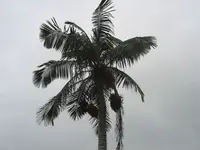
Expose young plants gradually to steady but not extreme wind so the trunk tissues develop stronger mechanical support before the palm reaches significant height.

Permanent staking plan

Install 3–4 stout posts and soft, adjustable ties around young specimens in windy or exposed sites, checking and loosening ties yearly so the trunk is supported without constriction as it thickens.

Mulch for root stability

Maintain a 5–8 cm ring of coarse organic mulch over the root zone, keeping it a few cm away from the trunk, to stabilize soil temperature and structure and protect the shallow roots from compaction.

Careful root-zone access

When irrigation lines, cables, or other works must pass near the palm, route them outside at least 60–90 cm from the trunk and hand-dig shallowly to avoid cutting the fibrous surface roots that anchor the tall crown.

Seasonal inspection routine

Set a yearly schedule to inspect the crown, trunk, and leaf bases for scale insects, fungal spotting, or mechanical damage so any issues in caring for Wax palm are corrected early, before the plant gains more height and becomes difficult to access.

Common Pests and Diseases

Scale insects

This pest feeds on sap along the leaf rachis and crown, causing yellowing, reduced vigor, and sticky honeydew that can promote sooty mold. Infestations are more frequent on cultivated and stressed trees than on healthy wild specimens.

Solution

Prune and destroy heavily infested fronds, then wipe or gently scrub remaining colonies with a cloth or soft brush dipped in diluted insecticidal soap or horticultural oil. Improve growing conditions and avoid overfertilizing to reduce stress, and repeat treatments at 7–14 day intervals until no new scales appear.

Leaf spot fungi

This disease produces small brown to black lesions on leaflets that may coalesce into larger patches, especially in cool, wet, or shaded plantation conditions. Symptoms include premature leaflet death and a general decline in canopy quality when infection is severe.

Solution

Remove and discard affected fronds to lower the spore load, and maintain good spacing and airflow around the trunk and canopy. Water at soil level instead of overhead and, if the disease progresses, apply a labeled copper or broad‑spectrum fungicide on a dry day, repeating as directed.

Crown and bud rot

This disease affects the central growing point, where symptoms include collapse or browning of emerging fronds and a soft, often foul‑smelling crown. High humidity, waterlogged soil, and mechanical damage to the crown increase susceptibility.

Solution

Immediately remove all soft, rotting tissue from the crown area and improve drainage to prevent standing water around the root zone. Disinfect cutting tools, keep water off the crown, and in early stages consider a systemic fungicide labeled for palm crown rot, following local regulations and product directions.

Palm weevils

These insects bore into the trunk and crown, where larvae tunnel through the tissues and can cause sudden canopy collapse in young or stressed trees. External signs are often subtle and may include oozing sap, frass, or distorted new fronds.

Solution

Monitor regularly for boring holes, frass, and distorted growth, and destroy heavily infested individuals before larvae complete their life cycle. Use pheromone or food‑baited traps nearby to reduce adult populations and apply targeted systemic insecticides to high‑value specimens as allowed by local regulations.

Interesting Facts

World’s tallest palm

This Colombian wax palm holds the record as the tallest palm species on Earth, with some wild individuals reaching over 60 m in height in high Andean valleys.

Specialist parrot habitat

Its tall, hollow trunks and clustered fruits provide essential nesting and feeding sites for the endangered yellow-eared parrot, making this tree a keystone species in its native cloud forests.

National landscape symbol

This species is the national tree of Colombia and shapes the iconic open wax palm valleys of the central Andes, where scattered, towering trunks rise above montane grasslands and pastures.

Botan icon

Did you know?

The trunk surface is naturally coated with a thick, waxy layer that was historically harvested for use in candles and matches, a practice that contributed to population declines and later to formal legal protection for the species and its habitats.

FAQs about Wax palm

Growth is slow, especially in the early years. Seedlings may stay small for many seasons while forming a trunk base. In suitable outdoor climates, it can take 15–20 years to resemble a noticeable tree.

Grow Healthy Plants with Botan Care

Keep your plants happy and healthy with plant identification, disease detection, and easy care guidance.

Botan plant care app — identify plants on mobile

Explore More Plants