Provide strong support
Install a sturdy trellis, wire mesh, or tensioned plastic-coated wires early, then tie new shoots loosely with soft ties so the vigorous vines do not pull themselves loose or kink as they thicken.

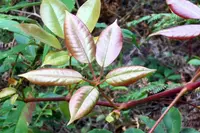
Five-leaved water vine, Cissus hypoglauca, is a vigorous evergreen climber from eastern Australia. It naturally scrambles through forests and along waterways. The plant has long, flexible stems and glossy, divided leaves that create a dense, green curtain when given support. Small, inconspicuous flowers are followed by decorative berries. This species is adaptable and generally robust, which makes it easier for home growers to manage once established. It tolerates a range of indoor and outdoor conditions if extremes are avoided. Light shade, regular moisture, and well-drained soil usually provide a good starting point for those learning how to care for Five-Leaved Water Vine.

Care Difficulty
Moderate Care

Light Preference
Partial Shade

Water Requirements
Moderate Water

Temperature Preference
Warm Climate

Hardiness Zone
9–11

Soil Texture
Sandy, Loamy, Organic-rich

Soil pH
Acidic (5.5–6.5), Slightly acidic (6.5–7.0)

Soil Drainage
Moist but well-drained

Fertilization
Light (every 4–6 weeks)
Scan your plant to receive care tips personalized for your specific plant
Available on iOS and Android
This climbing vine prefers bright, indirect light that mimics a lightly shaded forest edge.
This species prefers consistently moist but not saturated soil, similar to a forest vine near water.
This vine thrives in mild, frost-free climates with warm, stable temperatures.
This species accepts a range of indoor humidity but grows best with slightly moist air.
Cissus hypoglauca prefers a loose, airy mix that drains freely yet holds moderate moisture.
This vine is well suited to container growing when given stable support and controlled moisture.
Cissus hypoglauca benefits from light, consistent feeding during active growth but does not need heavy fertilization.
Pruning helps keep Cissus hypoglauca manageable, encourages fuller growth, and maintains tidy support coverage.
This vigorous climber appreciates occasional repotting or transplanting to maintain healthy root growth and support its long vines.
New Cissus hypoglauca plants are most often produced from stem cuttings taken during active growth.
This species is moderately frost sensitive and benefits from simple winter precautions in cooler regions.

Plant Health Check
Not sure what's wrong with your plant? Check your plant's health inside the app.
This species is native to eastern Australian rainforests and moist sclerophyll forests, where it scrambles over trees along gullies, creek lines, and sheltered slopes.
Its leaves are glossy green above but have a paler, often bluish or glaucous underside, a feature that helps distinguish it from other Cissus species in the same habitats.
The plant produces small dark purple to black berries that are eaten by birds, which then disperse the seeds through their droppings, helping maintain populations along waterways and forest edges.

In its natural habitat this vine can form long, rope-like stems that trail through tree canopies and across rock faces, sometimes linking vegetation over creek beds and creating living bridges for small animals and invertebrates.
Growth is usually moderately fast in warm conditions, often extending 60–120 cm per year once established. Rate depends on light, warmth, moisture, and nutrient availability. Regular pruning helps manage length without significantly slowing overall vigor when done correctly.
Keep your plants happy and healthy with plant identification, disease detection, and easy care guidance.