Traveller's-joy Care (Clematis vitalba)

Also known as: Old man's beard, Evergreen clematis
Traveller's-joy

About Traveller's-joy

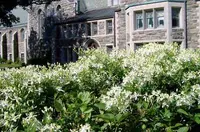
Traveller's-joy, Clematis vitalba, is a vigorous deciduous climbing vine in the buttercup family. It anchors itself using twisting leaf stalks and can quickly cover fences, hedges, and trees.

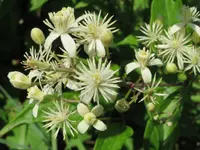
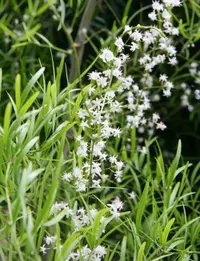
The plant produces clusters of small, creamy-white flowers with a sweet, mild scent, followed by silky, feathery seed heads that give hedgerows a hazy look in late summer and fall.

Native to Europe and parts of western Asia, it has naturalized in many temperate regions, including areas of North America, where it can become invasive in mild, moist climates.

It prefers sun to light shade, moist but well-drained soil, and benefits from regular pruning, which is important to manage its strong growth and to care for Traveller's-joy responsibly.

Main Plant Requirements

Care Difficulty

Moderate Care

Light Preference

Full Sun

Water Requirements

Moderate Water

Temperature Preference

Cold Hardy

Hardiness Zone

4–9

Soil Texture

Sandy, Loamy, Clay

Soil pH

Slightly acidic (6.5–7.0), Slightly alkaline (7.0–7.5)

Soil Drainage

Moist but well-drained

Fertilization

Minimal (feed rarely)

Get Personalized Care Plan

Scan your plant to receive care tips personalized for your specific plant

Available on iOS and Android

How to Care for the Traveller's-joy

Clematis vitalba prefers abundant light on the upper growth with cooler, shaded roots.

  • Provide 6–8 hours of sun daily, ideally with morning sun and light afternoon shade, especially in hotter regions.
  • Allow the base and roots to stay shaded by mulch or low plants to reduce root stress and moisture loss while the vines climb into full sun.
  • Plants tolerate light or dappled shade for part of the day, but too much shade reduces flowering, and harsh all-day sun can scorch foliage in midsummer.

This vigorous climber prefers consistently moist but not saturated soil.

  • Water when the top 3–5 cm of soil feel dry, aiming for deep soaking that reaches the root zone rather than frequent light splashes.
  • Use well-drained soil; prolonged puddling, sour smell, or yellowing, limp leaves suggest overwatering, while crisping leaves and wilting in moist soil indicate root stress.
  • In the first 1–2 growing seasons, monitor moisture more closely; reduce watering frequency in cool, wet weather and after the plant is well established.

This hardy climber tolerates a wide temperature range once established.

  • Active growth is strongest in spring and early summer around 60–75°F (16–24°C), when soil is moist and not waterlogged.
  • Mature plants typically survive winter lows down to about 0°F (−18°C) with mulched roots, though young plants benefit from extra protection in colder areas.
  • In summer, plants cope with short periods up to about 90°F (32°C) if roots are shaded and soil moisture is stable, but prolonged extreme heat can slow growth and stress foliage.

This vigorous climber tolerates a wide humidity range and usually does not need special humidity management outdoors.

Clematis vitalba establishes best in deep, moisture-retentive but free-draining soil.

  • Use a loamy or sandy-loam structure enriched with well-rotted compost to support extensive root growth.
  • Aim for a neutral to slightly alkaline pH (around 6.5–7.5); add garden lime if soil tests strongly acidic.
  • Improve drainage and aeration by mixing coarse sand or fine gravel into heavy clay before planting.
  • Avoid compacted, waterlogged, or very shallow soils, which promote root rot and limit long-term vigor.

This species can be grown in containers but demands careful setup due to its vigorous, climbing habit.

  • Choose a large, deep, and heavy container to provide root volume and prevent the tall vine from tipping in wind.
  • Position the pot where the base is shaded yet the vine can quickly reach strong sun on a trellis or support.
  • Use a dense, stable potting mix and secure the trellis directly to the container or a nearby fixed structure for safety.

This vigorous, soil-tolerant climber usually needs only modest feeding, but targeted nutrition supports dense growth of Traveller's-joy in gardens.

  • In average garden soil, apply a light layer of compost or well-rotted manure around the root zone in early spring.
  • During active growth, use a balanced fertilizer (for example, 10-10-10) at half strength every 4–6 weeks if growth or flowering is weak.
  • Avoid high-nitrogen lawn fertilizers, which promote soft, leafy growth at the expense of flowers and structural strength.
  • Stop feeding in late summer to early fall so shoots harden before winter and do not apply fertilizer during winter dormancy.

Pruning Clematis vitalba is important to limit its vigor, manage size, and maintain safe, healthy growth.

  • Use sharp bypass pruners or loppers in late winter to very early spring before strong new growth starts.
  • Remove dead, damaged, crossing, or congested stems to reduce disease risk and improve air flow and light penetration.
  • Cut back long, overreaching stems to keep the vine away from roofs, gutters, trees, or nearby shrubs it could overwhelm.
  • When hard renovation is needed, reduce selected old stems to 30–60 cm above ground to stimulate new framework growth.

This fast-growing vine is rarely kept long term in containers, so guidance focuses on transplanting into open ground.

  • Choose early spring or early fall for transplanting, avoiding extreme heat or frozen soil to limit root stress.
  • Move plants when roots circle the pot, drainage is poor, or growth stalls despite good light and moisture.
  • Dig a broad hole, loosening surrounding soil; gently tease circling roots and plant at the same or slightly deeper depth than in the pot.
  • Water slowly and deeply after transplanting, then keep soil evenly moist and mulch 5–8 cm to stabilize moisture and temperature.

Clematis vitalba is commonly propagated because it roots and seeds well under suitable conditions and can spread strongly.

  • Take semi-ripe stem cuttings in late spring to mid-summer, using non-flowering shoots, and root them in a free-draining, slightly moist medium.
  • Use simple layering in spring: pin a flexible stem to the soil, cover a section with soil, and sever the new plant once roots form.
  • Sow ripe seeds outdoors in fall or provide cold stratification at 35–40°F for several weeks before spring sowing to improve germination.
  • Monitor young plants carefully, providing consistent moisture, good light, and support wires or canes as new vines develop.

This species is generally cold hardy in temperate climates and needs only minimal winter care once established in the ground.

  • Tolerates typical winter frosts in much of the US, especially when planted in well-drained soil.
  • Apply 5–8 cm of organic mulch in late fall around the root zone, keeping it slightly away from the stem base.
  • For young or container plants, shelter from severe wind and water only when the top few cm of soil are dry to avoid waterlogging.

Care Tips

Early support training

Install a sturdy trellis or wire system before planting and loosely tie young stems with soft ties so the vine learns the support structure and does not tangle in nearby shrubs or fences.

Regular leader selection

Each spring, choose 3–5 of the strongest stems as main leaders and remove weak, crossing, or ground-hugging shoots to keep the plant manageable and prevent it from smothering other vegetation.

Root spread control

In open ground, cut a narrow spade trench around the plant base once a year and sever outward-running roots to limit aggressive spread into lawns, beds, or neighboring properties.

Seed head management

Deadhead or trim off developing seed heads before they mature and fluff out, especially near natural areas, to reduce self-seeding and keep this vigorous vine from becoming invasive.

Wildlife and safety checks

Inspect the vine several times each season to remove stems invading roofs, gutters, power lines, or trees while leaving some dense sections at lower height to continue providing shelter for wildlife when growing Traveller's-joy.

Common Pests and Diseases

Clematis wilt

This disease causes sudden blackening and collapse of stems, often just as the plant comes into active growth or flowering. Symptoms include one or more stems drooping rapidly, turning dark, and dying back from the top down.

Solution

Cut affected stems back to healthy green tissue at or near ground level and remove all infected material from the site. Improve air circulation, keep the base of the plant cool and evenly moist but not waterlogged, and avoid damaging stems, as wounds increase susceptibility to this disease, which is central to many Clematis vitalba care instructions.

Powdery mildew

This disease produces white, powdery fungal growth on leaves, especially in warm, dry conditions with poor air movement. Symptoms include distorted or yellowing foliage and premature leaf drop on heavily affected vines.

Solution

Remove and discard the worst affected leaves and any fallen debris, then improve airflow by thinning congested growth. Water at the base, avoid wetting foliage, and if needed apply a sulfur or potassium bicarbonate-based fungicide labeled for ornamentals, following label directions.

Clematis slime flux

This bacterial problem causes stems to ooze foul-smelling, slimy sap, often after mechanical injury or severe environmental stress. Symptoms include wilting sections, discolored bark, and dark, wet-looking patches on stems.

Solution

Prune out affected stems well below the ooze, cutting back to healthy tissue, and dispose of prunings away from other plants. Disinfect pruning tools between cuts, reduce stress by providing consistent moisture and mulch around the root zone, and avoid injuring stems or roots during maintenance.

Aphids

These insects feed on young shoots and flower buds, sucking sap and causing curling, distortion, and sticky honeydew deposits on leaves. This pest can encourage sooty mold growth on the honeydew and attract ants.

Solution

Spray affected shoots with a strong jet of water to dislodge colonies, then use insecticidal soap or a ready-to-use horticultural oil, covering leaf undersides and tender growth. Encourage natural predators such as lady beetles by avoiding broad-spectrum insecticides in the surrounding garden.

Scale insects

These insects appear as small, immobile bumps on stems and leaf veins, feeding on sap and weakening the vine over time. Symptoms include yellowing leaves, poor growth, honeydew, and sometimes black sooty mold on the plant surface.

Solution

Gently scrape off light infestations with a fingernail or soft brush, then treat remaining insects with a horticultural oil spray, ensuring stems and leaf undersides are thoroughly coated. For heavy cases, prune out badly infested stems and repeat oil applications according to label directions to target newly hatched crawlers.

Interesting Facts

Feathery seed plumes

After flowering, this species produces clusters of long, silky seed tails that persist through winter, giving rise to the common name traveller’s joy or old man’s beard. These feathery structures aid wind dispersal and make the plant highly effective at spreading along hedgerows and woodland edges.

Nitrogen-rich pioneer

Clematis vitalba often colonizes disturbed calcareous soils rich in calcium carbonate and contributes to early successional scrub communities across much of Europe. Its rapid growth and dense foliage can alter light conditions and microclimate, influencing which understory species can establish.

Invasive outside native range

This species is native to much of Europe and parts of western Asia but is a serious invasive plant in countries such as New Zealand. In these regions it can smother native vegetation, forming heavy curtains over trees and shrubs and reducing biodiversity despite efforts focused on Clematis vitalba care control programs.

Botan icon

Did you know?

In traditional European hedge landscapes, long flexible stems of this species were historically used for coarse basketry, binding, and improvised rope, taking advantage of the vine’s strong yet pliable young shoots once they were dried and twisted.

FAQs about Traveller's-joy

This species spreads very vigorously by both wind‑blown seed and woody stems that root where they touch soil. In many regions it quickly overwhelms shrubs and trees, so regular cutting back and strict boundary control are essential.

Grow Healthy Plants with Botan Care

Keep your plants happy and healthy with plant identification, disease detection, and easy care guidance.

Botan plant care app — identify plants on mobile

Explore More Plants