


Encourage Bushy Shape
Pinch back soft shoot tips every 2–3 weeks during active growth to keep plants compact, encourage dense branching, and maintain a thicker foliage barrier where pet deterrence is desired.

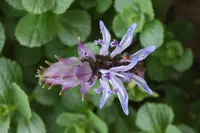
Dog hullwort (Coleus caninus), often sold as the scaredy cat plant, is a low, spreading perennial usually grown as an annual in cooler climates. It forms a mat of small, soft, grey-green leaves on trailing or slightly upright stems, sometimes producing delicate lavender or bluish flower spikes in warm conditions.
This species is native to parts of eastern Africa and southern Asia, where it grows in warm, sunny, well-drained sites. Its fast growth, drought tolerance, and strong leaf scent make it relatively simple to care for Dog Hullwort in containers, hanging baskets, or as edging in flower beds.
It generally prefers bright light, moderate watering, and loose, well-drained soil to stay compact and healthy.

Care Difficulty
Easy Care

Light Preference
Partial Sun

Water Requirements
Moderate Water

Temperature Preference
Tropical / Frost Sensitive

Hardiness Zone
10–11

Soil Texture
Sandy, Loamy, Organic-rich

Soil pH
Acidic (5.5–6.5), Slightly acidic (6.5–7.0)

Soil Drainage
Well-drained

Fertilization
Light (every 4–6 weeks)
Scan your plant to receive care tips personalized for your specific plant
Available on iOS and Android
Coleus caninus prefers bright, gentle light to maintain compact growth and healthy foliage.
Coleus caninus needs evenly moist but not saturated soil to support steady growth.
This species prefers mild, frost-free conditions and reacts quickly to temperature extremes.
Humidity is usually not critical for Coleus caninus, but moderate levels keep foliage healthier.
Coleus caninus prefers a light, fast-draining mix that still holds some moisture.
This species adapts very well to container growing for decks, patios, or small outdoor spaces.
Coleus caninus grows well with modest feeding to support foliage density and steady growth.
Pruning supports compact, bushy growth and maintains a tidy shape in Coleus caninus.
Container-grown plants benefit from occasional repotting to maintain healthy roots and stable growth.
New plants are commonly produced from softwood stem cuttings taken during the growing season.
Coleus caninus is frost-sensitive and needs protection in regions with cold winters.

Plant Health Check
Not sure what's wrong with your plant? Check your plant's health inside the app.
The foliage contains volatile terpene compounds that release a pungent, musky odor when touched or warmed, which is why some growers trial it as a potential deterrent plant around garden borders.
Originally placed in the genus Coleus and commonly sold under that name, this species is now classified botanically as Plectranthus caninus, reflecting updated understanding of its relationships within the mint family Lamiaceae.
In warm climates this species tolerates full sun and high temperatures better than many ornamental coleus relatives, which contributes to its use in hot, exposed bedding and container plantings.
This species grows moderately fast in warm weather, often filling out a small bed or container within one season. Growth slows in cool conditions or low light and may stop completely near or below its preferred temperature range.
Keep your plants happy and healthy with plant identification, disease detection, and easy care guidance.


Costus elegans
Costus elegans

Hibiscus Luna Red
Hibiscus Luna Red
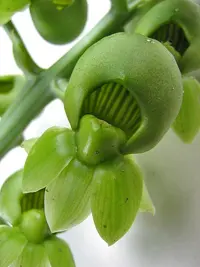
Large-fruited Catasetum
Catasetum macrocarpum

Philodendron tripartitum
Philodendron tripartitum
 POPULAR
Peace Lily
Spathiphyllum wallisii

Giant Spider Lily
Crinum × amabile

Mexicali onion
Allium peninsulare

sorrel-leaved pelargonium
Pelargonium acetosum