Shore Stonecrop Care (Crassula moschata)

Also known as: Native stonecrop
Shore Stonecrop

About Shore Stonecrop

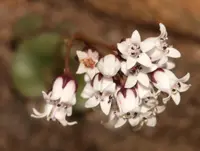
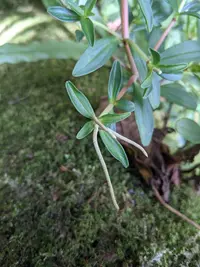
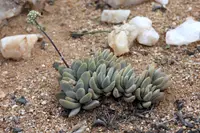
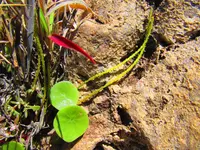
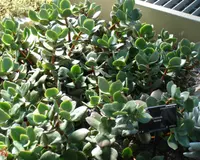
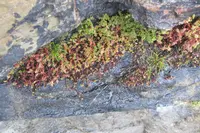
Shore stonecrop (Crassula moschata) is a low, mat-forming succulent that creates dense carpets of tiny, fleshy leaves. It often shows soft green to slightly bluish tones, sometimes with reddish tips in strong light.

This species is native to coastal areas of New Zealand, where it grows in rocky, often wind-exposed sites. Its compact growth and drought tolerance make it suitable for rock gardens, troughs, and small containers.

The plant prefers bright light, fast-draining soil, and light to moderate moisture, with good protection from prolonged waterlogging. These natural adaptations mean that, with attention to drainage and light, it is generally straightforward to care for Shore Stonecrop.

Main Plant Requirements

Care Difficulty

Easy Care

Light Preference

Full Sun

Water Requirements

Low Water

Temperature Preference

Tropical / Frost Sensitive

Hardiness Zone

10–11

Soil Texture

Sandy, Loamy, Rocky

Soil pH

Slightly acidic (6.5–7.0), Neutral (7.0)

Soil Drainage

Well-drained

Fertilization

Minimal (feed rarely)

Get Personalized Care Plan

Scan your plant to receive care tips personalized for your specific plant

Available on iOS and Android

How to Care for the Shore Stonecrop

This low, mat-forming succulent prefers bright, cool coastal-style light with some protection from intense midday sun.

  • Provide 4–6 hours of direct morning sun or late-afternoon sun, with bright, filtered light during midday, especially in hotter inland climates.
  • Tolerates light partial shade, but stems of Shore Stonecrop may stretch and foliage may lose density if it receives less than 3–4 hours of direct or strong indirect light.
  • In summer, protect from harsh afternoon sun to prevent leaf scorch; in winter, give the sunniest outdoor or indoor south-facing exposure available.

This succulent stores moisture in its leaves and needs infrequent, careful watering to avoid root problems.

  • Allow the top 2–5 cm of soil to dry fully before watering, then water thoroughly so it drains out, whether Crassula moschata grows in the ground or in a pot.
  • Reduce watering in cool seasons, especially below 55°F (13°C); wrinkling leaves indicate mild thirst, while mushy, translucent leaves suggest overwatering.
  • Use sharply draining, gritty soil and ensure no standing water; yellowing, soft stems often signal poor drainage and beginning root rot.

This coastal succulent prefers mild conditions and does best without temperature extremes or hard frost.

  • Ideal growth occurs around 60–75°F (16–24°C), with steady, moderate temperatures supporting compact, healthy mats.
  • Tolerates brief dips to about 30–32°F (-1–0°C) but is not reliably frost-hardy; repeated or hard freezes can damage foliage and roots.
  • Handles dry heat up to 85–90°F (29–32°C) if soil drains well and afternoon shade is available, but prolonged hot, humid conditions increase rot risk.

This species handles typical indoor humidity well and rarely needs special humidity management.

This succulent prefers a sharply draining, mineral-rich substrate that dries quickly between waterings.

  • Use a gritty mix such as 50–70% inorganic material (pumice, coarse sand, or small gravel) blended with cactus potting mix.
  • Aim for a slightly acidic to neutral pH around 6.0–7.0, avoiding strongly acidic or alkaline substrates.
  • Ensure water drains through in seconds; if it lingers on the surface, lighten the mix with more pumice or perlite.
  • Avoid dense, peat-heavy or clay-based soils that stay wet, as these quickly lead to root rot in Crassula moschata.

This compact succulent is well suited to container growing.

  • Choose a wide, shallow pot to accommodate its spreading habit while keeping the root zone close to the fast-drying surface layer.
  • Select unglazed terracotta if extra evaporation is needed in humid or cool climates to prevent prolonged wetness around roots.
  • Elevate the container slightly on feet or pot risers so drainage holes clear the surface and water can escape freely.

Crassula moschata is a small succulent that benefits from light, occasional feeding during active growth only.

  • Use a balanced liquid fertilizer (around 10-10-10) diluted to 25–50% strength for caring for Shore Stonecrop in pots.
  • Feed every 4–6 weeks in spring and summer when growth is active, skipping applications during very hot, stressful spells.
  • Stop feeding in fall and winter, as the plant rests and excess nutrients can lead to soft, weak growth or root issues.
  • Avoid heavy compost or rich slow-release products; choose cactus/succulent formulas and apply to moist, not bone-dry, soil.

Crassula moschata responds well to light pruning that maintains a compact, healthy mat of growth.

  • Best time for pruning is late winter to early spring, just before new growth begins in earnest.
  • Use clean, sharp scissors or small snips to remove dead, damaged, or overly leggy stems at their base.
  • Shortening long shoots shapes the plant, encourages denser branching, and keeps groundcover plantings tidy.
  • Trim back crowded areas to improve air flow and reduce the risk of stem rot in humid or wet conditions.

This shallow-rooted succulent prefers slightly tight conditions and only needs occasional repotting or transplanting.

  • Repot when roots circle the pot, soil dries extremely fast, or growth becomes weak despite good light.
  • Plan repotting or outdoor transplanting for spring, allowing the plant a full warm season to reestablish.
  • Most plants need repotting every 2–3 years into a shallow container with fresh, gritty cactus/succulent mix.
  • Lift gently, tease apart circling roots, trim damaged ones, and replant at the same depth, then water lightly after 2–3 days.

This species is commonly propagated from cuttings, making it straightforward to expand a planting.

  • Take short stem cuttings or individual segments in spring or early summer when growth is active.
  • Allow cut ends to dry and callus for 1–2 days to reduce the risk of rot in the new planting medium.
  • Set cuttings on or slightly into a well-draining, gritty mix and keep just lightly moist until rooted.
  • Provide bright, indirect light and warm temperatures around 65–75°F to support steady, healthy root formation.

Crassula moschata is not very frost tolerant and benefits from basic winter protection in cold climates.

  • In regions below about 30°F, grow in containers that can be moved indoors before hard frost arrives.
  • Provide a cool, bright indoor spot and reduce watering so the soil dries almost completely between waterings.
  • In mild coastal climates, use a thin gravel mulch to keep crowns drier and reduce freeze-thaw stress.
  • Avoid overhead watering during cold spells to limit leaf and stem damage from lingering moisture.

Care Tips

Controlled spreading

Grow this mat-forming plant in a shallow, wide container and trim back or re-root overlong stems every few months to keep the carpet dense instead of patchy and sprawling.

Rejuvenate leggy mats

If stems become bare in the center, cut healthy tips, let them dry for 1–2 days, then replant them more densely to create a fresh, compact cushion of foliage.

Salt and wind tolerance

In coastal areas, place containers where they receive airflow and some protection from direct salt spray, as this species tolerates maritime exposure but grows best with only light salt stress.

Low‑stress propagation

When repotting, gently press fallen or trimmed stem pieces onto the soil surface instead of discarding them, as they readily root and quickly fill gaps without the need for rooting hormone.

Pest monitoring strategy

Inspect stem joints and the undersides of leaves monthly for mealybugs or aphids, and if found, isolate the plant and dab pests with cotton swabs dipped in 70% isopropyl alcohol for targeted control when caring for Shore Stonecrop.

Common Pests and Diseases

Mealybugs

This pest appears as small white cottony clusters along stems and in leaf joints, often causing stunted or distorted growth. Symptoms include sticky honeydew and sooty mold on nearby surfaces.

Solution

Isolate the plant, then dab visible insects with cotton swabs dipped in 70% isopropyl alcohol and gently wipe affected areas. Repeat weekly until no new insects appear and, in heavier infestations, use a labeled insecticidal soap, ensuring good coverage of stems and leaf bases while keeping foliage dry between treatments.

Aphids

These insects cluster on tender shoot tips and flower stems, sucking sap and causing curling or yellowing of the tiny foliage. Symptoms include sticky honeydew that can attract ants or lead to sooty mold growth.

Solution

Rinse stems under a gentle stream of lukewarm water to dislodge colonies, then treat remaining insects with insecticidal soap, focusing on growing tips. Reduce excess nitrogen fertilization that promotes soft, aphid-prone growth and inspect regularly during active growing periods when caring for Shore Stonecrop.

Spider mites

This pest is favored by hot, dry indoor air and causes fine stippling, dulling, and eventual bronzing of small leaves, sometimes with delicate webbing between stems. Symptoms include slowed growth and premature leaf drop on stressed plants.

Solution

Increase humidity around the plant without keeping the soil wet, then wash foliage and stems gently with lukewarm water to remove mites and webbing. Follow with repeated applications of insecticidal soap or horticultural oil at 7–10 day intervals, and improve air movement and light to help the plant recover.

Edema

This disorder occurs when roots absorb water faster than leaves can transpire it, leading to small corky bumps or blisters on the fleshy stems and leaves. Symptoms include rough, scarred patches that remain even after the issue is corrected, though new growth can appear normal.

Solution

Allow the potting mix to dry more thoroughly between waterings and avoid sudden swings between very dry and very wet conditions. Use a fast-draining succulent mix, keep the pot small with drainage holes, and provide bright light so the plant uses water more evenly.

Fungal leaf spots

This disease develops in prolonged humidity or when foliage remains wet, creating small brown or black spots that may merge on the tiny leaves. Symptoms include premature leaf drop and thinning mats of growth in dense plantings or poorly ventilated areas.

Solution

Remove and discard affected stems, then improve air circulation and avoid overhead watering so foliage stays dry. If the problem persists, apply a low-toxicity fungicide labeled for ornamental succulents, and thin dense patches so light and air reach the center of the plant mat.

Interesting Facts

Coastal New Zealand native

This species is naturally restricted to coastal areas of New Zealand, where it grows on rocky shores, cliffs, and sandy banks just above the high-tide line.

Mat-forming growth habit

It forms low, moss-like mats of small succulent leaves and thin branching stems, which helps it cover and stabilize shallow, stony coastal soils.

Salt-tolerant succulent

The plant tolerates salt-laden winds and occasional salt spray, combining typical succulent water storage with adaptations to a cool, maritime climate rather than hot deserts.

FAQs about Shore Stonecrop

Yellow leaves usually result from excess moisture around the roots, poor drainage, or prolonged low light. Check that the potting mix dries between waterings, the container drains freely, and the plant receives bright conditions without prolonged shade.

Grow Healthy Plants with Botan Care

Keep your plants happy and healthy with plant identification, disease detection, and easy care guidance.

Botan plant care app — identify plants on mobile

Explore More Plants