Offset division timing
Divide and replant offsets in late spring when days are longer and growth is active, as this helps cut surfaces callus quickly and reduces rot risk after separation.

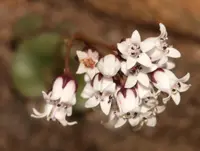
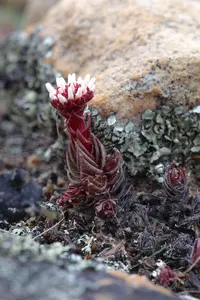
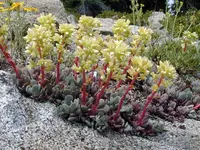
Crassula saxifraga is a small, rosette-forming succulent from rocky habitats in South Africa. It tends to stay compact, with fleshy leaves that store water and short flower stalks.
The plant naturally grows in well-drained crevices, which makes it suited to pots, rock gardens, and bright windowsills. Its drought tolerance and slow growth generally make it straightforward to manage once established.
Understanding how to care for Crassula saxifraga starts with providing bright light, excellent drainage, and careful watering that avoids prolonged wet soil.

Care Difficulty
Moderate Care

Light Preference
Partial Shade

Water Requirements
Moderate Water

Temperature Preference
Warm Climate

Hardiness Zone
10–11

Soil Texture
Sandy, Loamy, Rocky

Soil pH
Slightly acidic (6.5–7.0), Neutral (7.0)

Soil Drainage
Well-drained

Fertilization
Minimal (feed rarely)
Scan your plant to receive care tips personalized for your specific plant
Available on iOS and Android
This compact succulent prefers bright light but needs protection from harsh midday sun.
This species prefers infrequent, thorough watering that allows the soil to dry slightly between soakings.
This plant favors cool to mild conditions and dislikes temperature extremes.
This species handles typical indoor humidity well and rarely needs special adjustments.
Crassula saxifraga prefers a sharply draining, mineral-based substrate that prevents waterlogging around its roots.
This species is well suited to container growing when the pot supports fast drainage and stable, shallow roots.
This succulent needs only light feeding, as excessive nutrients can cause weak, leggy growth in Crassula saxifraga.
Pruning Crassula saxifraga is mainly for tidiness and to maintain a compact, healthy mound.
Container-grown Crassula saxifraga benefits from occasional repotting to refresh soil and prevent root congestion.
Crassula saxifraga is commonly propagated from cuttings and division, which maintain the parent plant’s traits.
This species is moderately cold tolerant but benefits from simple winter precautions, especially in containers.

Plant Health Check
Not sure what's wrong with your plant? Check your plant's health inside the app.
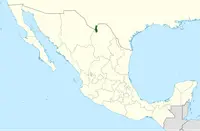
This species naturally grows on shaded, moist granite rocks and cliff faces in South Africa, anchoring in thin crevices where organic particles and fine sediments accumulate.
The species epithet saxifraga refers to its resemblance to true saxifrages, with small, often reddish, tufted leaves and a mat-forming habit adapted to cool, moist rock surfaces.
In its native range it is associated with higher-altitude, mist-belt habitats, where frequent fog and dripping water help keep its rock-dwelling roots evenly moist despite very shallow substrates.
Yellowing leaves usually result from overwatering, waterlogged soil, or sudden temperature stress. Check drainage, reduce watering frequency, and remove affected leaves. Also inspect roots for rot and repot if the substrate stays wet for days.
Keep your plants happy and healthy with plant identification, disease detection, and easy care guidance.