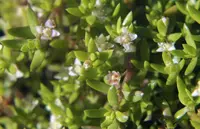
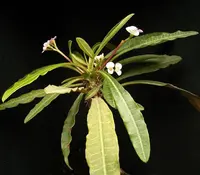
Sandy Stonecrop Care (Crassula alpestris)

Also known as: Sand-coated Crassula
Sandy Stonecrop

About Sandy Stonecrop

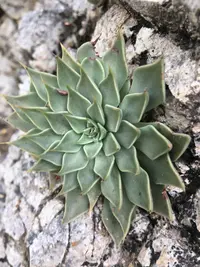
Sandy stonecrop (Crassula alpestris) is a compact, clump-forming succulent known for its stacked, triangular leaves and geometric rosettes. The foliage often shows red or pink edging in strong light, giving the plant a striking, architectural look.

This species is native to rocky, arid regions of South Africa, where it grows in well-drained, gritty soils with intense sun and low rainfall. Its thick leaves store water, which makes it drought-tolerant but sensitive to overwatering.

These traits generally make it easy to grow in containers, rock gardens, and small indoor collections, as long as excess moisture is avoided. Understanding how to care for Sandy Stonecrop mainly involves providing bright light, fast-draining soil, and careful watering habits.

Main Plant Requirements

Care Difficulty

Moderate Care

Light Preference

Full Sun

Water Requirements

Low Water

Temperature Preference

Tropical / Frost Sensitive

Hardiness Zone

10–11

Soil Texture

Sandy, Loamy, Rocky

Soil pH

Slightly acidic (6.5–7.0), Neutral (7.0)

Soil Drainage

Well-drained

Fertilization

Minimal (feed rarely)

Get Personalized Care Plan

Scan your plant to receive care tips personalized for your specific plant

Available on iOS and Android

How to Care for the Sandy Stonecrop

This compact succulent needs bright, mostly direct light to keep its stacked leaves compact and colored.

  • Provide 4–6 hours of direct morning sun plus bright light the rest of the day; in very hot climates, give light afternoon shade to reduce leaf scorch.
  • Outdoors, place in an open, south or east-facing spot; indoors, Sandy Stonecrop needs the sunniest window available, with no large objects blocking light.
  • If stems stretch or leaves lose color, increase light exposure; if leaf tips bleach or turn crispy, reduce harsh midday sun or add sheer filtration, especially in summer.

This plant stores water in its leaves and needs infrequent, deep watering and fast-draining soil.

  • Allow at least the top 3–5 cm of soil to dry fully before watering; in warm growing seasons, this may mean watering only when leaves feel slightly less firm.
  • Use very gritty, free-draining soil so water runs through within seconds, which helps prevent root rot in Crassula alpestris.
  • In winter or cool, low-light periods, reduce watering sharply; yellow, mushy leaves suggest overwatering, while wrinkled, soft leaves indicate it has stayed dry too long.

This species prefers warm, dry air and cool, but not freezing, nights.

  • Aim for 65–80°F (18–27°C) in the main growing season, with good airflow to prevent fungal problems in dense rosettes.
  • Protect from frost; it is best kept above 35–40°F (2–4°C), as repeated freezes can damage roots and cause leaf drop.
  • In heat above 90°F (32°C), give light shade and avoid reflected heat from walls; during cooler months, growth slows, so keep it drier and avoid cold, wet soil.

This species handles typical indoor humidity well and rarely needs adjustment.

  • Aim for 30–50% humidity; drier household air is usually acceptable for Sandy Stonecrop.
  • Low humidity seldom harms the plant, but combined with high heat it may cause limp, wrinkled leaves.
  • If air is extremely dry and hot, improve conditions by moving the plant away from heaters and increasing air circulation rather than misting.

Crassula alpestris prefers a very fast-draining, mineral-rich substrate that dries quickly between waterings.

  • Use a gritty mix, such as 50–70% inorganic material (pumice, coarse sand, or small gravel) blended with 30–50% cactus potting mix.
  • Ensure the mix feels loose and crumbly, not compact; this protects roots from staying wet and reduces rot risk.
  • Target a slightly acidic to neutral pH around 6.0–7.0, avoiding heavy clay or peat-based mixes that hold water for many days.
  • Improve aeration and drainage by enlarging the mineral fraction rather than adding more organic matter when a mix feels dense.

This compact succulent is very suitable for container growing.

  • Choose a wide, shallow pot to accommodate its spreading root system and limit moisture buildup in deeper soil layers.
  • Select unglazed terracotta if extra evaporation is needed, especially in cooler or dimmer locations.
  • Elevate the container on feet or a stand so drainage holes stay clear and excess water leaves the pot quickly.

Crassula alpestris is a light feeder that benefits from modest, diluted nutrition during its active season.

  • Use a balanced liquid fertilizer (for example 10-10-10) at 1/4–1/2 strength for Sandy Stonecrop in spring and summer.
  • Apply every 4–6 weeks only when the plant is actively growing and soil is lightly moist.
  • Avoid fertilizing in late fall and winter, when growth slows or stops.
  • Do not use rich compost; excess organic matter stays wet and can cause root rot.

Crassula alpestris responds well to light structural pruning to keep stems compact and healthy.

  • Carry out pruning in late winter or early spring, before strong new growth starts.
  • Remove dead, damaged, leggy, or crossing stems to improve airflow and appearance.
  • Pinch or cut back long shoots above a leaf node to encourage branching and a denser shape.
  • Use small, sharp, disinfected scissors or snips to make clean cuts and reduce disease risk.

This compact succulent prefers slightly tight pots and only occasional repotting in a gritty mix.

  • Plan to repot every 2–3 years, or when roots circle the pot base or growth slows despite good light.
  • Choose late spring as the best time, when Crassula alpestris enters active growth and recovers fastest.
  • Move to a pot only 2–3 cm wider, using a fast-draining cactus or succulent medium.
  • Gently loosen outer roots, keep them mostly intact, water lightly after repotting, and shade from intense sun for 3–5 days.

New Crassula alpestris plants are most commonly produced from stem or leaf cuttings taken in the growing season.

  • Take 3–5 cm non-flowering stem cuttings in late spring or summer and remove lower leaves.
  • Allow cut surfaces to callus (dry) for 1–3 days to reduce rot risk before planting.
  • Place cuttings on or in barely moist, gritty succulent mix, in bright indirect light and 65–80°F.
  • Seed propagation is possible but slow; sow on the surface of well-draining mix and keep slightly moist until germination.

This succulent is not reliably frost hardy and benefits from careful winter management, especially in containers.

  • Aim to keep temperatures above 40°F; brief light frosts may scar foliage or kill tender tips.
  • Move potted plants indoors to a bright, cool, dry location before hard frost.
  • Water sparingly in winter, letting the mix dry almost completely between light waterings.
  • Outdoors in mild climates, use a very free-draining site and avoid overhead watering during cold, wet periods.

Care Tips

Rotate For Symmetry

Rotate the pot 90° every 2–3 weeks so all sides receive similar light, which keeps the stacked leaves compact and prevents the stems from leaning permanently in one direction.

Controlled Winter Rest

In winter, move the plant to the brightest, coolest indoor spot available and reduce disturbance, which supports a natural rest period that leads to tighter growth and better color in the next active season.

Stability In Shallow Pots

Use a wide, shallow, heavy pot and top-dress the soil with a thin layer of coarse gravel to stabilize the shallow root system and prevent the plant from tipping as the stems elongate.

Selective Stem Renewal

Every 1–2 years, take tip cuttings from the healthiest, most compact stems and re-root them, gradually replacing older, woody or stretched growth to maintain a dense, colorful clump when growing Sandy Stonecrop.

Prevent Moisture Traps

Angle the rosettes slightly and avoid tight crowding with other succulents so water does not sit between the stacked leaves, which reduces the risk of fungal spots and rot after overhead watering or rain exposure.

Common Pests and Diseases

Mealybugs

This pest often hides in leaf axils and between stacked leaves, sucking sap and causing stunted growth and sticky honeydew on the foliage. Symptoms include cottony white clusters that are easy to miss in the tight leaf rosettes.

Solution

Isolate the plant, then dab visible insects with cotton swabs dipped in 70% isopropyl alcohol and gently clean between leaves. Improve light and airflow, repeat alcohol treatment weekly until clear, and use a systemic insecticide labeled for succulents if infestations persist.

Aphids

These insects cluster on tender new growth and flowering stems, feeding on sap and causing distortion, yellowing, and sticky residue. This pest is more common on plants grown outdoors or in high-nutrient, soft growth conditions.

Solution

Rinse the plant under a firm but gentle stream of water to dislodge colonies, including between layered leaves. Follow with an application of insecticidal soap or a light horticultural oil, repeating every 5–7 days until no new aphids appear, and avoid overfertilizing to reduce soft, vulnerable growth.

Spider mites

This pest thrives on Crassula alpestris in hot, dry indoor conditions, causing fine stippling, dull or bronzed leaves, and sometimes light webbing between stacked foliage. Symptoms include slowed growth and general loss of vigor.

Solution

Increase humidity around the plant without wetting the soil surface, then thoroughly rinse foliage, especially undersides and between leaves. Apply insecticidal soap or a miticide labeled for indoor succulents in several rounds 5–7 days apart, and improve airflow and light as part of long-term Crassula alpestris care.

Edema

This disorder appears as small corky, blister-like spots on leaves when roots take up water faster than the plant can transpire it, often after overwatering or sudden wet–dry swings. Symptoms include rough, tan patches that remain even after conditions improve.

Solution

Allow the soil to dry more between waterings, keep the plant in a bright, well-ventilated position, and avoid sudden drenching after a dry period. Use a fast-draining succulent mix and a pot with drainage holes to prevent further water imbalance; affected leaves will not recover but new growth should be healthy.

Fungal leaf spots

This disease develops in humid, poorly ventilated conditions, leading to small dark or tan spots that may coalesce on the fleshy leaves, especially where water sits between stacked foliage. Symptoms include slow-spreading lesions and occasional leaf drop.

Solution

Remove and discard affected leaves, then keep foliage dry and water at the soil surface only. Improve spacing, airflow, and light, and if spotting continues, apply a sulfur- or copper-based fungicide suitable for succulents, following label directions and allowing the plant to dry quickly after any treatment.

Interesting Facts

Stacked geometric leaves

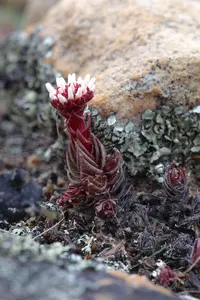
This species forms short, stacked pairs of triangular leaves arranged in a strict opposite pattern around the stem, creating a distinctive geometric column that is noticeably tighter and more angular than many other small Crassula species.

Karoo winter growth

It is native to the arid, winter-rainfall regions of the Western and Eastern Cape in South Africa, where it grows mainly during the cooler, wetter months and slows or rests in the hot, dry summer.

Starry tubular flowers

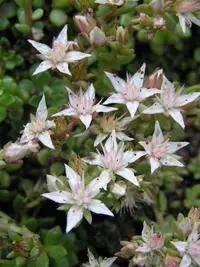
The plant produces small clusters of whitish to pink, tubular, star-tipped flowers that are adapted to attract small insect pollinators in its native rocky habitats.

FAQs about Sandy Stonecrop

Lack of blooms often comes from insufficient light, overly rich or wet soil, or heavy nitrogen fertilization. Provide strong light, sharp drainage, and avoid frequent feeding. Older, well-lit stems typically flower more reliably than very young growth.

Grow Healthy Plants with Botan Care

Keep your plants happy and healthy with plant identification, disease detection, and easy care guidance.

Botan plant care app — identify plants on mobile

Explore More Plants