cream stonecrop Care (Sedum oregonense)

cream stonecrop

About cream stonecrop

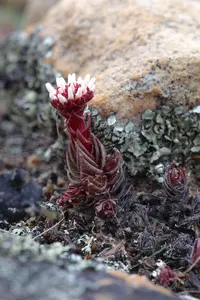
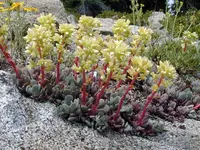
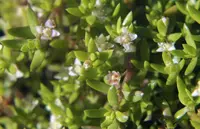
Cream stonecrop (Sedum oregonense) is a low-growing, mat-forming succulent native to rocky slopes and open areas of the Pacific Northwest. It typically forms dense clumps of small, fleshy leaves that range from pale green to yellow-green.

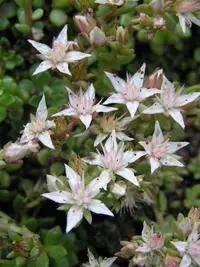
In late spring to summer it produces clusters of star-shaped yellow flowers that attract pollinators and add seasonal interest. Its compact habit makes it suitable for rock gardens, troughs, groundcovers, and shallow containers.

This species is adapted to dry, well-drained soils and high light, which makes it resilient and generally easy to maintain. Understanding how to care for cream stonecrop mainly involves avoiding excess water and providing good drainage.

Main Plant Requirements

Care Difficulty

Easy Care

Light Preference

Full Sun

Water Requirements

Low Water

Temperature Preference

Cold Hardy

Hardiness Zone

6–9

Soil Texture

Sandy, Loamy, Rocky

Soil pH

Slightly acidic (6.5–7.0), Neutral (7.0)

Soil Drainage

Well-drained

Fertilization

Minimal (feed rarely)

Get Personalized Care Plan

Scan your plant to receive care tips personalized for your specific plant

Available on iOS and Android

How to Care for the cream stonecrop

This low-growing succulent thrives in bright, open sites with strong sun exposure.

  • Provide 6–8 hours of direct sun daily; morning to early afternoon sun is ideal for compact growth and rich color in cream stonecrop.
  • Tolerates light afternoon shade, especially in hotter regions, which reduces risk of leaf scorch and excessive drying of shallow roots.
  • In winter, full sun helps maintain vigor; in prolonged shade, stems stretch, leaves pale, and mats open up, signaling insufficient light.

This drought-adapted sedum prefers infrequent, light watering and fast-drying soil.

  • Allow the top 3–5 cm of soil to dry completely before watering; established plants in the ground often need only occasional deep drinks after extended dry periods.
  • Use very well-drained, sandy or rocky soil so water runs through quickly, reducing root rot risk and keeping foliage firm.
  • Signs of overwatering include mushy leaves and blackened stems; severe wrinkling and leaf drop indicate the plant has stayed dry too long for Sedum oregonense.

This species is a hardy succulent that tolerates both cool winters and warm summers when drainage is good.

  • Best growth occurs around 60–80°F (16–27°C), with compact rosettes and steady spread over rock gardens or thin soils.
  • Cold-hardy to about 10–15°F (-12 to -9°C) once established; short freezes below this may damage foliage, but crowns often resprout if soil drains well.
  • Handles dry heat up to about 90–95°F (32–35°C) if roots are not waterlogged; prolonged extreme heat with high humidity increases rot risk, so avoid overhead watering in those conditions.

This species tolerates a wide humidity range and rarely needs special humidity management indoors or outdoors.

  • Target 30–50% humidity, similar to typical indoor air, as higher levels are unnecessary for this succulent.
  • Dry air is usually tolerated; foliage problems are more often from excess moisture than from low humidity.
  • If stems look waterlogged or leaves turn translucent, reduce nearby humidity and improve air movement rather than adding moisture.

Sedum oregonense prefers very well-drained, mineral-rich soil that dries quickly between waterings.

  • Use a gritty, sandy mix such as 50–70% inorganic material (coarse sand, pumice, or small gravel) blended with a low-peat cactus mix.
  • Aim for slightly acidic to neutral pH, around 6.0–7.0, which suits most container and rock garden settings.
  • Improve drainage and aeration by avoiding fine composts and instead adding coarse particles that create air gaps around the roots.
  • Avoid heavy clay, water-retentive potting mixes, or spots where water collects, which quickly lead to root and stem rot.

This species is very suitable for container growing, especially in shallow, free-draining pots.

  • Choose a wide, shallow container to match its spreading habit and keep the root zone from staying wet too long.
  • Use unglazed terracotta or similarly porous materials to speed moisture evaporation in rainy or humid climates.
  • Elevate the pot on feet or spacers so drainage holes stay clear and water does not pool under the container.

Sedum oregonense needs minimal feeding and often grows well in lean, rocky soils.

  • If growth is very weak, apply a diluted balanced liquid fertilizer (such as 10-10-10) at 1/4–1/2 strength once in late spring.
  • Use a light top-dressing of compost instead of heavy granular fertilizers to avoid soft, leggy growth.
  • Avoid feeding in fall and winter when growth slows or plants are dormant.
  • When caring for cream stonecrop in containers, ensure excellent drainage and skip fertilization if foliage already looks dense and healthy.

Sedum oregonense benefits from light, periodic pruning to keep mats dense and tidy.

  • Best time is late winter to early spring, before strong new growth begins.
  • Snip off dead, damaged, or winter-burned stems with clean, sharp scissors or pruners.
  • Trim back stretched or crowded shoots to encourage tighter, more compact growth and better flowering.
  • After blooming, shear lightly to remove spent flower stalks and maintain a low, even mound.

This low-growing sedum is usually transplanted outdoors rather than repotted frequently in containers.

  • Transplant in spring or early fall, when temperatures are mild and soil is workable.
  • Move clumps only when growth slows, patches thin, or plants outgrow their space, usually every 3–5 years.
  • Lift plants gently, keeping root systems as intact as possible to reduce transplant shock.
  • Replant into gritty, sharply drained soil at the same depth, then water once and allow soil to dry between future waterings.

Sedum oregonense is commonly propagated by stem cuttings, division, or seed in home gardens.

  • Take short stem cuttings in late spring or summer, let cut ends dry 1–2 days, then place on gritty, barely moist mix.
  • Divide mature clumps in spring, replanting firm, healthy sections into well-drained soil.
  • Sow fresh seed on the surface of sandy mix, pressing lightly and keeping bright, cool, and just moist.
  • Provide high light, warm temperatures (65–75°F), and very good air circulation to reduce rot during rooting.

This species is generally cold hardy and needs little winter care in most temperate gardens.

  • Tolerates frost and light snow when planted in sharply drained soil or rock gardens.
  • Apply a thin, gritty mulch around the crown in very cold climates to buffer freeze-thaw cycles.
  • Avoid dense, water-holding mulches that keep crowns wet and increase rot risk.
  • For containers in colder zones, move pots to a sheltered, unheated but frost-sheltered spot.

Care Tips

Rocky mound planting

Plant in shallow pockets of gravelly soil on a rock mound or wall edge to mimic its native habitat and improve drainage and winter survival.

Winter wet protection

In regions with wet winters, slightly tilt the planting area or use a gritty top layer so excess rain runs off the crown and stems rather than pooling around them.

Controlled spreading

Gently lift and redirect creeping stems a few times each growing season to fill gaps in the planting area while preventing the mat from smothering small neighboring plants.

Easy patch renewal

Every 2–3 years, lift and replant the healthiest outer rosettes into fresh gritty mix, discarding woody centers to keep the mat dense and attractive when growing cream stonecrop.

Summer heat shielding

In very hot inland sites, use nearby rocks or low gravel mulch to shade the root zone and reduce reflected heat stress on foliage during peak afternoon sun.

Common Pests and Diseases

Aphids

This pest feeds on tender new growth, causing distortion, sticky honeydew, and sometimes sooty mold on leaves and stems.

Solution

Rinse colonies off outdoor clumps with a firm water spray, then spot-treat remaining aphids with insecticidal soap or a dilute neem oil spray, repeating weekly until populations drop; encourage natural predators such as lady beetles by avoiding broad-spectrum insecticides nearby.

Mealybugs

These insects appear as small white cottony clusters in leaf crevices and along stems, weakening plants by sucking sap and sometimes causing yellowing or leaf drop.

Solution

Isolate affected plants if grown in containers, dab visible mealybugs with cotton swabs dipped in 70% isopropyl alcohol, then follow with a light application of insecticidal soap or horticultural oil, repeating every 7–10 days until no new insects appear.

Spider mites

This pest thrives in hot, dry conditions and causes fine stippling, dull foliage, and sometimes delicate webbing between sedum leaves.

Solution

Increase humidity around container plants slightly, hose down foliage to knock mites off, then apply insecticidal soap or a labeled miticide to all plant surfaces, repeating at short intervals to catch newly hatched mites and monitoring during extended dry spells.

Fungal leaf spots

This disease appears as small brown or black spots on leaves, often after prolonged moisture on foliage or poor air movement around dense mats.

Solution

Remove and dispose of affected leaves, thin or divide crowded clumps to improve airflow, avoid overhead watering late in the day, and if spotting continues apply a sulfur or copper-based fungicide labeled for ornamental succulents according to package directions.

Crown rot

This disease develops when the crown and lower stems stay wet for extended periods, leading to soft, mushy tissue and collapse of whole sections of the mat.

Solution

Improve drainage by amending heavy soil with grit, avoid frequent watering, remove and discard rotted sections, then replant healthy offsets in a sharper, well-drained mix; this approach is central to Sedum oregonense care in wetter regions.

Interesting Facts

Pacific Northwest endemic

This species is naturally restricted to the Pacific Northwest, occurring mainly in southwestern British Columbia, Washington, and Oregon on rocky, often serpentine or basalt outcrops near the coast and in low mountains.

Low, mat-forming habit

It forms tight, low mats or cushions hugging rock surfaces, an adaptation that reduces water loss and protects the plant from wind exposure in its harsh, open habitats.

Summer-yellow star flowers

In late spring to summer it produces clusters of small, star-shaped yellow flowers that are important nectar and pollen sources for native bees and other small pollinators in its coastal and foothill range.

FAQs about cream stonecrop

This species spreads slowly by short stems and natural self-seeding, forming low mats rather than running aggressively. It usually stays contained, but small seedlings may appear nearby and can be removed easily if unwanted.

Grow Healthy Plants with Botan Care

Keep your plants happy and healthy with plant identification, disease detection, and easy care guidance.

Botan plant care app — identify plants on mobile

Explore More Plants