Rattrayii Crinum Care (Crinum jagus)

Rattrayii Crinum

About Rattrayii Crinum

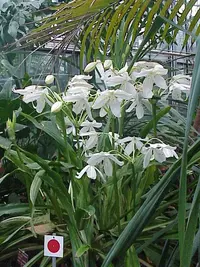
Rattrayii Crinum (Crinum jagus) is a bulb-forming perennial from tropical West Africa, valued for its large, fragrant white flowers and strong architectural leaves. It grows from thick bulbs that produce strappy, glossy foliage and tall flower stalks, giving it a bold, sculptural look in gardens or large containers.

In warm climates it is often grown outdoors, while in cooler regions it is usually kept in pots and moved under protection for winter. The plant is moderately easy to grow for patient gardeners, as it tolerates brief neglect but resents waterlogging and severe cold.

It prefers bright light, evenly moist but well-drained soil, and a stable, warm location, which are key points in how to care for Rattrayii Crinum.

Main Plant Requirements

Care Difficulty

Moderate Care

Light Preference

Full Sun

Water Requirements

Regular Water

Temperature Preference

Tropical / Frost Sensitive

Hardiness Zone

9–11

Soil Texture

Sandy, Loamy, Organic-rich

Soil pH

Acidic (5.5–6.5), Slightly acidic (6.5–7.0)

Soil Drainage

Moist but well-drained

Fertilization

Light (every 4–6 weeks)

Get Personalized Care Plan

Scan your plant to receive care tips personalized for your specific plant

Available on iOS and Android

How to Care for the Rattrayii Crinum

Crinum jagus thrives in bright, direct sun but tolerates some light shade, especially in hot climates.

  • Provide 6–8 hours of direct sun daily, ideally with strong morning sun and light afternoon shade to protect foliage from scorching.
  • In very hot regions, use filtered light or partial shade (2–4 hours less direct sun) to reduce leaf burn while maintaining flowering.
  • If leaves stretch, flop, or flowering declines, light is likely too low; adjust placement, as growing Rattrayii Crinum in deeper shade reduces blooms.

Crinum jagus prefers evenly moist soil during active growth but dislikes waterlogged conditions.

  • Outdoors in the ground, water when the top 3–5 cm of soil feels dry, delivering a slow, deep soak so moisture reaches the full bulb zone.
  • In spring and summer, maintain consistent moisture; in fall and winter, reduce watering once growth slows, allowing the top layer to dry more between waterings.
  • Yellowing, soft leaves and a foul smell suggest overwatering and bulb rot, while limp, browning leaf tips usually indicate prolonged dryness or shallow watering.

This crinum grows best in warm, stable conditions and is sensitive to frost.

  • Ideal growing temperatures are 70–85°F (21–29°C), which support strong leaf growth and reliable flowering in the growing season.
  • Crinum jagus tolerates brief drops to about 40°F (4–5°C), but hard frost below 32°F (0°C) can damage leaves and bulbs, so protection or lifting is needed in colder zones.
  • In very hot periods above 95°F (35°C), ensure soil does not dry out completely and provide some afternoon shade to reduce heat stress and leaf scorch.

Crinum jagus grows well in typical indoor humidity but benefits from slightly moist air.

  • Aim for 40–60% humidity; the plant tolerates brief dips lower if watering is consistent.
  • Dry air may cause leaf tip browning and slowed new growth, especially in Rattrayii Crinum.
  • Increase humidity with a nearby open tray of water and stones, grouping plants, or a short daily mist in the driest periods.

Crinum jagus prefers deep, moisture-retentive but free-draining soil.

  • Use a rich loam-based mix with roughly 2 parts compost or leaf mold, 1 part garden loam, and 1 part coarse sand or fine gravel.
  • Ensure drainage is fast enough that water does not pool, yet the soil stays evenly moist between waterings.
  • A slightly acidic to neutral pH around 6.0–7.0 supports nutrient uptake and healthy bulb growth.
  • Improve aeration and root health by avoiding compacted substrates and breaking up heavy clay with sharp sand and organic matter.

This species is suitable for large, stable containers when its deep bulbs have enough room.

  • Choose a tall, heavy pot that resists tipping, since mature foliage and flower stalks can be top-heavy.
  • Allow a deep soil column to accommodate long, contractile roots that pull the bulb downward over time.
  • Use a container material that holds some moisture, such as thick-walled ceramic, to reduce rapid drying around the bulb zone.

Crinum jagus benefits from moderate feeding during active growth in spring and summer.

  • Apply a balanced slow-release NPK fertilizer at 1/2 strength once in early spring and again mid-summer around the root zone.
  • In containers, use a diluted liquid balanced fertilizer every 4–6 weeks during active growth for consistent nutrients.
  • Avoid fertilizing during dormancy or winter; excess nutrients at this time can stress bulbs.
  • Supplement heavy garden soils with a light layer of compost instead of frequent synthetic feeding when caring for Rattrayii Crinum.

Crinum jagus needs light, targeted pruning to maintain appearance and support healthy flowering.

  • Cut spent flower stalks at the base after blooms fade to direct energy back to the bulb.
  • Remove yellowing, dead, or damaged leaves at any time using clean, sharp pruners to reduce disease risk.
  • Thin out overcrowded foliage lightly in late winter or early spring to improve air flow and light penetration.
  • Avoid cutting healthy green leaves hard, as they are important for storing energy in the bulb.

This bulbous plant prefers stable placement, so repotting or transplanting Crinum jagus is done infrequently and carefully.

  • Look for roots circling the pot, slow growth, or bulbs pressing against the container as signals to move it.
  • Transplant or up-pot in late winter or early spring, before strong new growth begins.
  • Plan on disturbing mature clumps only every 4–6 years to limit stress and recovery time.
  • Lift bulbs gently, keep roots shaded and moist, then replant at the same depth and water thoroughly to settle soil.

Crinum jagus is most reliably propagated by division of offsets rather than from seed.

  • Divide clumps in late winter or early spring when foliage is minimal and soil is workable.
  • Carefully detach bulb offsets with roots attached, avoiding damage to the main bulb plate.
  • Replant offsets at the same depth in well-drained soil, spacing them generously for future growth.
  • Water thoroughly after planting, then keep soil lightly moist and warm until strong new leaves appear.

Crinum jagus tolerates mild winters but needs extra care in colder climates to protect its bulbs.

  • In USDA zones 8–9, keep in-ground plants mulched with 5–8 cm of straw or bark over the root zone.
  • In colder zones, dig bulbs after foliage dies back, dry slightly, and store in a cool, frost-free place.
  • Move container plants indoors to a bright, cool, frost-free area and water just enough to prevent complete soil dryness.

Care Tips

Bulb planting depth

Position large bulbs so that about one-third of the bulb sits above the soil surface to reduce rot risk and allow the neck to dry quickly after rain or irrigation.

Stable moisture basin

Create a shallow, slightly sunken planting area around the bulb cluster to hold irrigation water briefly, which encourages deep root growth without waterlogging the crown.

Support for tall scapes

Install discreet stakes or a low circular plant support around emerging flower scapes in windy sites to prevent heavy blooms from bending or snapping.

Post-bloom deadheading

Cut spent flower stalks down near the base once petals shrivel, but leave healthy leaves intact so the bulb can recharge for the next blooming cycle.

Division timing strategy

Lift and divide crowded clumps only after the foliage has begun to decline at the end of the growing season, then replant offsets promptly so they re-establish before cold or very dry weather arrives when caring for Rattrayii Crinum.

Common Pests and Diseases

Crinum mosaic virus

This disease causes streaked, mottled, or distorted leaves and can stunt bulb and flower development over time.

Solution

Remove and discard any plants with clear mosaic symptoms, including the bulb, to prevent spread, and disinfect cutting tools with 10% bleach or 70% alcohol after handling. Control sap‑sucking insects such as aphids nearby, avoid reusing potting mix from infected plants, and start new bulbs only from trusted, virus‑free sources when growing Rattrayii Crinum outdoors or indoors.

Crinum leaf scorch

This disease leads to elongated yellow to brown lesions on leaves that may coalesce, giving a scorched or blighted appearance, especially in warm, humid conditions.

Solution

Remove and discard affected leaves, keep foliage as dry as possible by watering at soil level, and improve spacing and airflow around plants. In areas with recurring problems, apply a labeled copper or chlorothalonil fungicide at the first sign of lesions, following all product directions carefully.

Narcissus bulb fly

This pest lays eggs at the base of bulbs, and the larvae tunnel inside, causing bulbs to soften, fail to sprout, or collapse suddenly during active growth.

Solution

Inspect bulbs regularly and destroy any that feel soft, show entry holes, or contain larvae, and avoid leaving lifted bulbs exposed where flies can lay eggs. Use physical barriers such as fine mesh over bulb beds during peak fly activity, plant bulbs slightly deeper, and rotate planting sites if infestations recur.

Red spider mite

These insects feed on leaf undersides, causing fine speckling, dulling of the foliage, and in severe cases, webbing and leaf yellowing in hot, dry conditions.

Solution

Rinse foliage thoroughly with a strong but gentle stream of water, paying attention to the undersides of leaves, and increase humidity slightly without keeping leaves constantly wet. For persistent infestations, apply insecticidal soap or horticultural oil at 7–10 day intervals, ensuring full coverage and keeping plants out of direct sun until leaves dry.

Mealybugs

This pest appears as white, cottony clusters in leaf bases and around bulb necks, sucking sap and weakening plants while also excreting sticky honeydew that can attract sooty mold.

Solution

Isolate affected plants, remove visible mealybugs with a cotton swab dipped in 70% alcohol, and wash leaf axils and bulb surfaces carefully. For ongoing problems, use insecticidal soap or a systemic insecticide labeled for ornamental bulbs, and inspect new bulbs and offsets closely before introducing them to existing plantings.

Interesting Facts

Nocturnal moth pollination

In its native West and Central African range, this species is mainly pollinated by large nocturnal hawk moths that are attracted to its strong night-time fragrance and pale, reflective flowers.

Flood-tolerant bulb

The bulb and thick, strap-like leaves are adapted to seasonally wet habitats such as river margins and swampy lowlands, allowing the plant to withstand short-term flooding without rotting.

Powerful floral scent

The white, funnel-shaped flowers release a particularly intense perfume after dusk, a trait that enhances long-distance detection by night-flying pollinators while remaining comparatively mild during the day.

Botan icon

Did you know?

In some regions of tropical Africa, large, mature bulbs of this species are traditionally planted near homesteads and sacred sites, where the prominent white flowers and strong night fragrance contribute to local ceremonial and symbolic practices, independent of any medicinal use.

FAQs about Rattrayii Crinum

Lack of flowering usually comes from insufficient maturity, cramped bulbs, or inadequate rest during cooler months. Ensure the bulb is not buried too deeply, avoid heavy nitrogen feeding, and allow a cooler, drier rest period to set buds.

Grow Healthy Plants with Botan Care

Keep your plants happy and healthy with plant identification, disease detection, and easy care guidance.


Botan plant care app — identify plants on mobile

Explore More Plants