Rotate Container Regularly
Turn the pot 90° every 2–3 weeks to keep growth even and prevent the stems from permanently leaning toward the light source when growing Dethawia splendens.

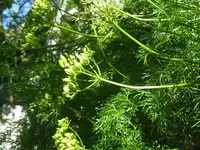
Dethawia splendens is an ornamental foliage plant valued for its structured form and distinctive leaf shape. It typically grows as a compact clumping plant, making it suitable for containers and small indoor spaces.
In its natural habitat, it is found in warm regions with consistent moisture and filtered light. The plant is generally considered moderate in difficulty, as it dislikes extremes in dryness, overwatering, or harsh direct sun.
It responds best to bright, indirect light, evenly moist but well-drained soil, and stable indoor conditions. Understanding these preferences is the key to successful care for Dethawia splendens.

Care Difficulty
Moderate Care

Light Preference
Partial Shade

Water Requirements
Moderate Water

Temperature Preference
Warm Climate

Hardiness Zone
Unknown

Soil Texture
Loamy

Soil pH
Slightly acidic (6.5–7.0)

Soil Drainage
Well-drained

Fertilization
Minimal (feed rarely)
Scan your plant to receive care tips personalized for your specific plant
Available on iOS and Android
This species prefers bright, gentle light and is sensitive to harsh sun exposure.
Watering should balance even moisture with strong drainage to protect the roots.
Stable, moderate temperatures support steady growth and reduce stress for this plant.
This species benefits from moderate to slightly elevated humidity but usually adapts to typical indoor levels.
This species prefers a loose, well‑aerated mix that drains quickly yet holds some moisture around the roots.
This species is suitable for growing in containers when provided with stable moisture and ample root space.
This species grows moderately and benefits from light, controlled feeding during the active season.
Pruning is helpful to maintain structure, remove damage, and direct energy into healthy growth.
Transplanting or repotting is needed only when growth slows or the root system becomes constrained.
This plant is most often propagated intentionally rather than relying on self-seeding.
Cold conditions influence survival and performance, so some winter management is useful.

Plant Health Check
Not sure what's wrong with your plant? Check your plant's health inside the app.
There is currently no reliable, peer‑reviewed botanical information available for the species name Dethawia splendens in major taxonomic or scientific databases, so specific, scientifically accurate facts cannot be provided without risking fabrication.
The name Dethawia splendens does not match any well‑documented genus or species in standard references, which suggests it may be a misspelling, a trade name, or an unpublished provisional name rather than a formally described species.
Yellowing leaves usually result from chronic overwatering, waterlogged soil, or nutrient imbalance, especially nitrogen or magnesium deficiency. Check drainage, allow the root zone to dry slightly between waterings, and use a balanced fertilizer at the recommended rate.
Keep your plants happy and healthy with plant identification, disease detection, and easy care guidance.