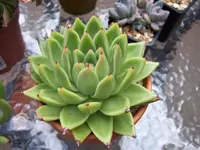


Lipstick (Echeveria agavoides) Light Needs

Lipstick grows best in full sun to very bright light, with several hours of direct sun daily.

Light Preference

Full Sun

Echeveria agavoides Light Requirements

Echeveria agavoides is native to rocky, well-drained habitats in Mexico, where plants grow in open, exposed sites with strong sun and good air movement. In habitat, light can be intense, though nearby rocks and seasonal conditions may create brief periods of partial shade. This background explains why cultivated plants stay most compact and colorful with strong light. Preferred light is full sun to very bright direct light.

  • Ideal exposure:

    Ideal exposure: Lipstick needs about 6–8 hours of bright light daily, including 4–6 hours of direct sun when acclimated.

  • Direct sun:

    Morning sun and cool-season sun are usually safest; intense afternoon sun is best introduced gradually.

  • Partial sun:

    It can tolerate partial sun, but color and compact growth are strongest with longer bright exposure.

  • Low light:

    Shade or dim indoor rooms usually cause stretching, wider spacing, and a looser rosette over time.

Indoors, place it where direct sun reaches the leaves for part of the day.

NPoor
North-facing window:

A north-facing window is usually too dim unless it is unusually unobstructed and supplemented with strong artificial light.

ESuitable
East-facing window:

An east-facing window is suitable if it provides several hours of direct morning sun and bright light afterward.

SBest
South-facing window:

A south-facing window is best in most homes, especially within 1–2 ft of clear glass.

WConditional
West-facing window:

A west-facing window can work if afternoon sun is filtered or introduced gradually to prevent sunburn.

If the rosette leans or opens, move it closer to the brightest safe exposure.

Strong light can cause damage when exposure changes too quickly.

Scorched patches:

Dry tan or pale spots may appear on upper leaves after sudden direct sun.

Bleached surfaces:

Leaf faces can look washed out where midday or afternoon sun hits hardest.

Crisp leaf tips:

Thin, dry tips may develop on stressed outer leaves in hot glass-side exposure.

Excessive stress color:

Red margins are normal, but a dull bronze cast across the rosette can suggest too much harsh sun.

Move Echeveria agavoides back to bright indirect light or gentle morning sun. Reintroduce stronger sun over 1–2 weeks, and filter hot afternoon rays.

Weak light changes the rosette shape before severe decline appears.

  • Stretched center:

    New growth may rise upward, creating a longer stem instead of a tight rosette.

  • Wide spacing:

    Leaves may sit farther apart, making the plant look open and less symmetrical.

  • Fading red edges:

    The red leaf margins may become weaker when light is consistently low.

  • Small new leaves:

    New leaves may form smaller and thinner during the active growing season.

  • Reduced blooming:

    Echeveria agavoides may bloom less often when it does not receive enough bright light.

Move it into stronger light gradually. Aim for direct morning sun first, then increase total daily brightness if growth remains loose.

When ideal full sun is not available, choose the brightest unobstructed spot and keep the rosette within 12 in of the glass for stronger exposure.

Rotate the pot every 1–2 weeks so growth stays even, especially when light comes from one side.

Avoid a shelf far from a window because dim, indirect room light will not meet Echeveria agavoides light needs.

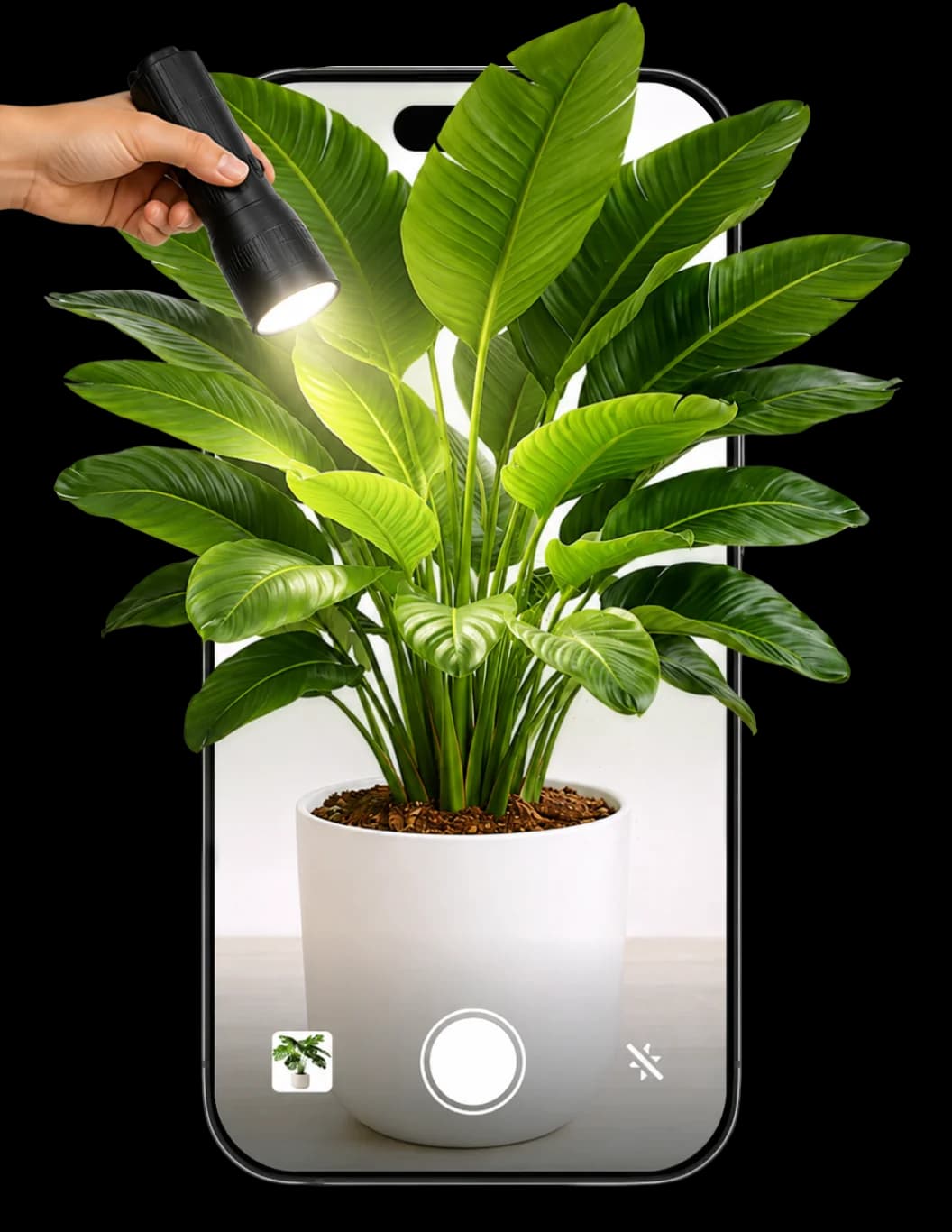
Get Personalized Care Plan

Scan your plant to receive care tips personalized for your specific plant

FAQ

Lipstick light requirements are full sun to very bright light, with about 6–8 hours of total daily exposure and several hours of direct sun when acclimated.

More Plant Light Guides

Get the Botan App

Discover how to care for your plants with Botan.

Botan app identifying a plant with a phone camera
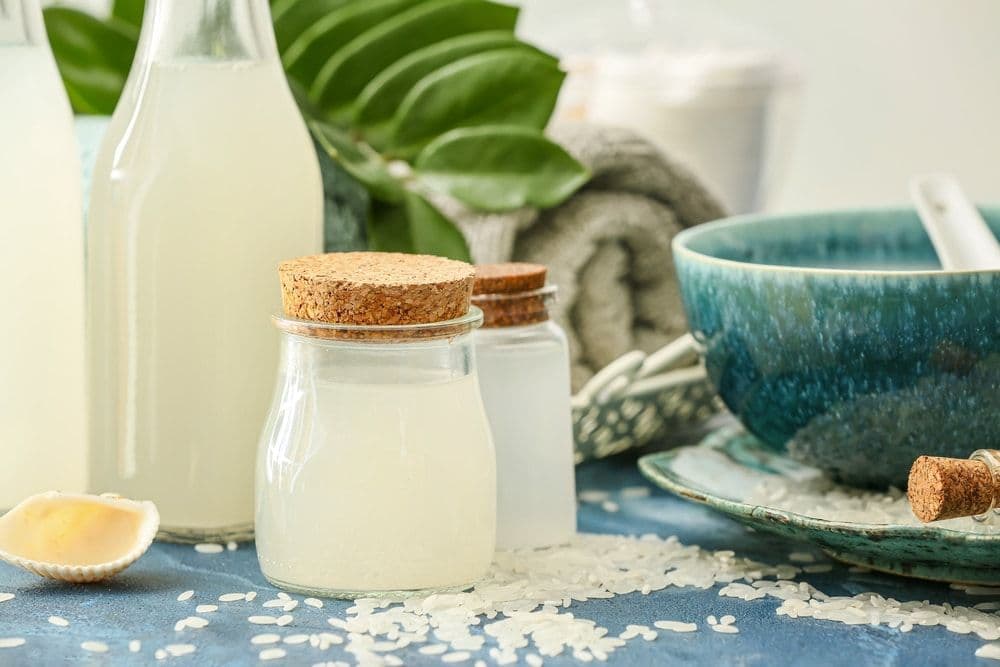
Rice Water for Plants – Which Plants Love It and How to Make It

8 min read · 14 Jul 2026

Rice Water for Plants – Which Plants Love It and How to Make It

Rice water can be an ideal DIY solution for orchids, roses, or fruiting plants. It supports growth, leaf count, and height. We’ll share how to make and apply it correctly for your plant.

Plant Care
Rice Water for Plants – Which Plants Love It and How to Make It
Best Water for Plants – How to Choose the Right Type

7 min read · 13 Aug 2026

Best Water for Plants – How to Choose the Right Type

Rainwater, filtered, distilled, and tap water affect plants differently. Learn which types support healthy growth and which cause slow damage. Match each to your plants and discover how to easily improve tap water quality.

Plant Care
Best Water for Plants – How to Choose the Right Type
Banana Peel Water for Plants: 5 Things to Know Before Trying It

5 min read · 9 Jul 2026

Banana Peel Water for Plants: 5 Things to Know Before Trying It

Banana water can provide potassium and some nutrients that may support plant growth, but it is not a universal fix. Use it carefully and only when the plant actually shows signs of nutrient deficiency rather than as a routine treatment.

Plant Care
Banana Peel Water for Plants: 5 Things to Know Before Trying It