7 min read · 6 Aug 2026
Planting Grass Seed in Summer – What Works and What Fails
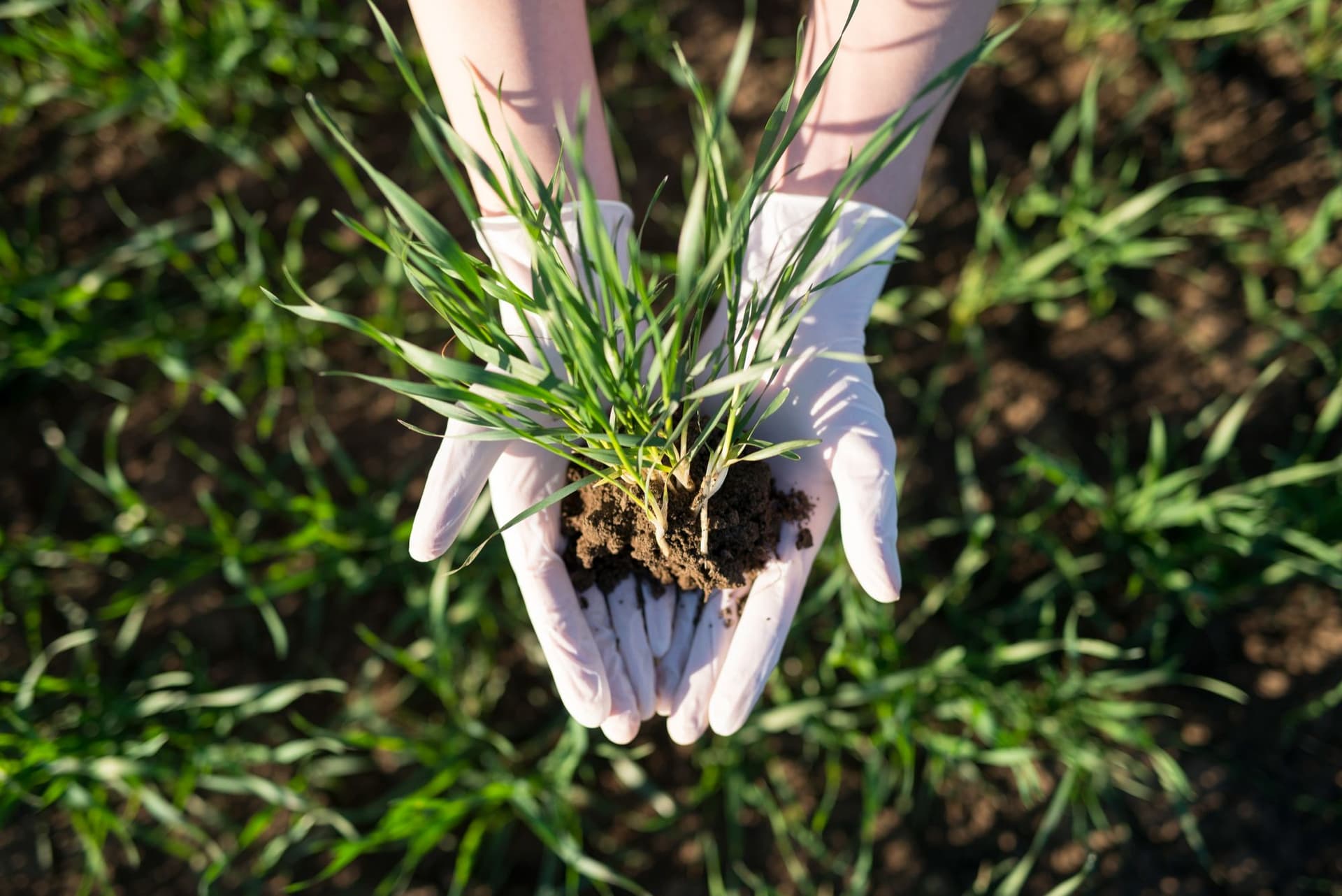
Summer seeding succeeds when the grass type suits the season, and the soil stays moist. Find out how to prepare the seedbed and choose a safe window for planting.

Toxicity level

Neon pothos is toxic to humans, cats, and dogs. Its bright chartreuse leaves contain insoluble calcium oxalates, making chewing or eating the foliage the main exposure concern. Contact with sap also poses a risk.
| Group | Toxicity | Short answer |
|---|---|---|
| Humans Toxic | Toxic | Chewing or eating the leaves can cause mouth irritation, including burning where the leaf touches the mouth. |
| Cats Toxic | Toxic | Cats that chew the leaves may drool, even without swallowing much of the foliage. |
| Dogs Toxic | Toxic | Chewing the leaves can irritate a dog's mouth; swallowing the foliage is not necessary for irritation to occur. |
| Horses | Horses that chew or eat the leaves can develop irritation in the mouth. |
'Neon' pothos (Epipremnum aureum 'Neon') contains insoluble calcium oxalates. These form microscopic, needle-shaped crystals called raphides. Chewing breaks open plant cells and releases the crystals, which pierce delicate tissues in the mouth and cause local irritation.
Exposure occurs when people or pets chew or swallow plant material. Sap released from damaged tissue can also irritate the skin or mouth, so contact can cause irritation even without swallowing.
| Plant part | Contains toxin | Details |
|---|---|---|
| Leaves Contains toxin: Yes | Yes | Leaves contain insoluble calcium oxalate crystals. Chewing damages the tissue and releases these crystals into direct contact with the mouth. |
Chewing Neon pothos can cause symptoms soon after contact with the mouth. Sap contact may cause a separate local reaction on exposed skin.
| Area | Symptoms |
|---|---|
| Mouth & throat | Burning pain, swollen lips or tongue, and difficulty swallowing. |
| Digestive system | Nausea, vomiting, and stomach discomfort. |
| Skin | Redness, itching, or a rash after sap contact. |
| Cats & dogs | Drooling, mouth pain, pawing at the mouth, vomiting, and difficulty swallowing. |
Long, trailing vines make neon pothos easy to display, but their reach changes as new growth develops between pruning sessions.
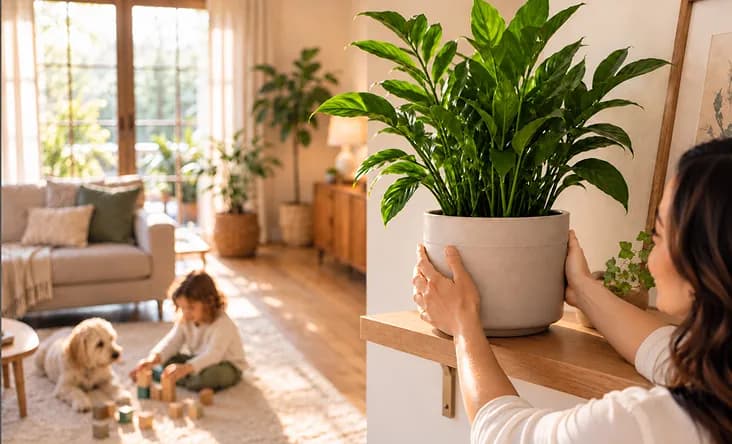
Choose a location children and pets cannot access, away from furniture cats can climb. Account for leaves hanging below the pot.
Trim trailing vines before leafy growth reaches nearby furniture or the floor. Collect each leafy clipping immediately rather than letting it fall.
Keep leaf-bearing cuttings in an inaccessible propagation area, rather than open jars on counters where pets or children could pull them out.
Wear gloves when cutting vines or handling damaged leaves to limit sap contact. Wash hands and clean pruning tools after finishing.
Sap from damaged leaves of neon pothos (Epipremnum aureum 'Neon') can irritate skin. The documented contact risk concerns exposure to sap, rather than simply touching the surface of intact leaves.
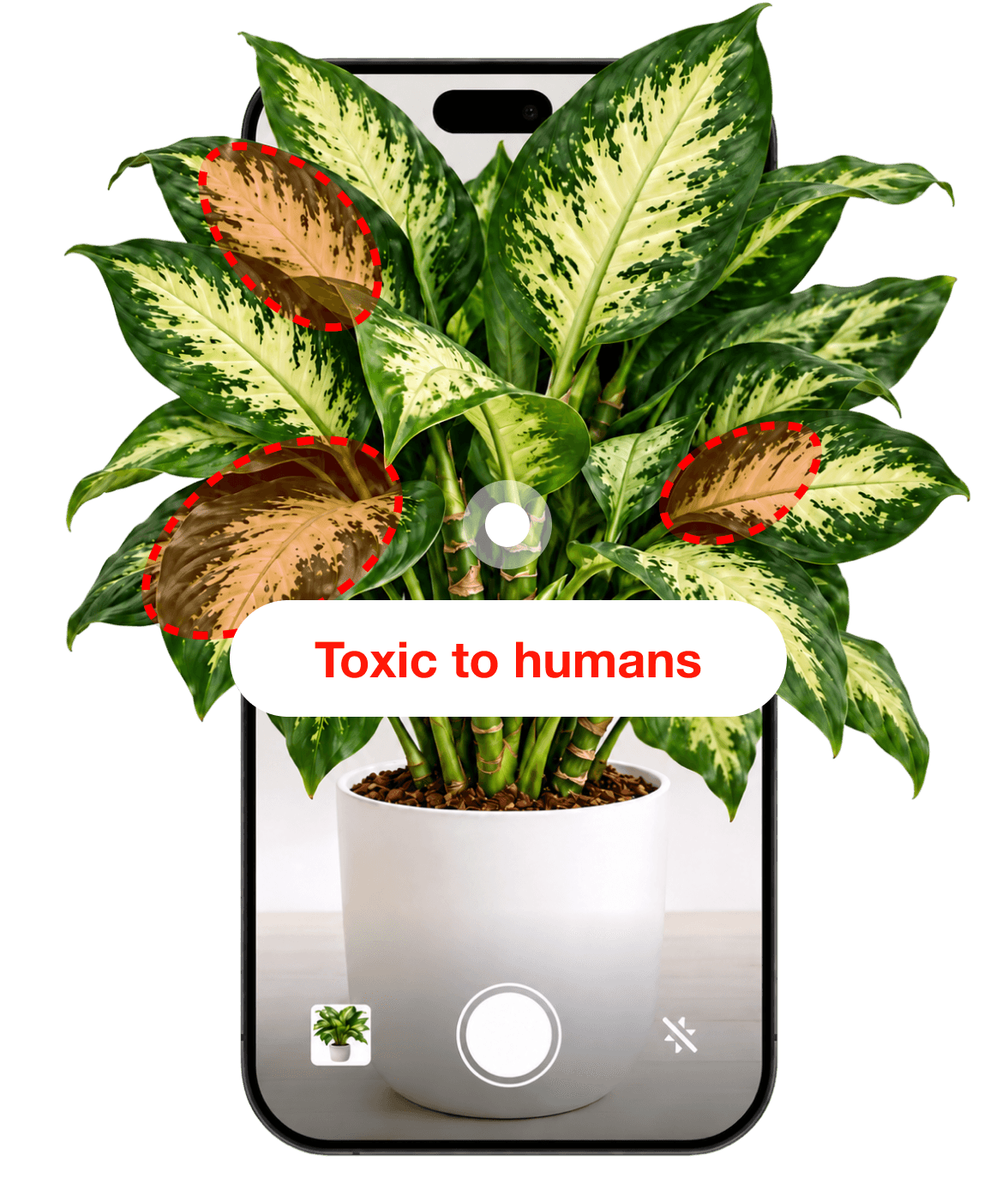
Check available toxicity information for humans and pets while Botan App helps identify plants from photos.

Yes, licking damaged leaves can expose pets to irritating sap. Licking an intact leaf is less likely to release calcium oxalate crystals than chewing it. Contact a veterinarian if mouth irritation or drooling develops.
A photo gives Botan App clues to an unfamiliar plant’s identity.


7 min read · 6 Aug 2026
Summer seeding succeeds when the grass type suits the season, and the soil stays moist. Find out how to prepare the seedbed and choose a safe window for planting.

7 min read · 28 May 2026
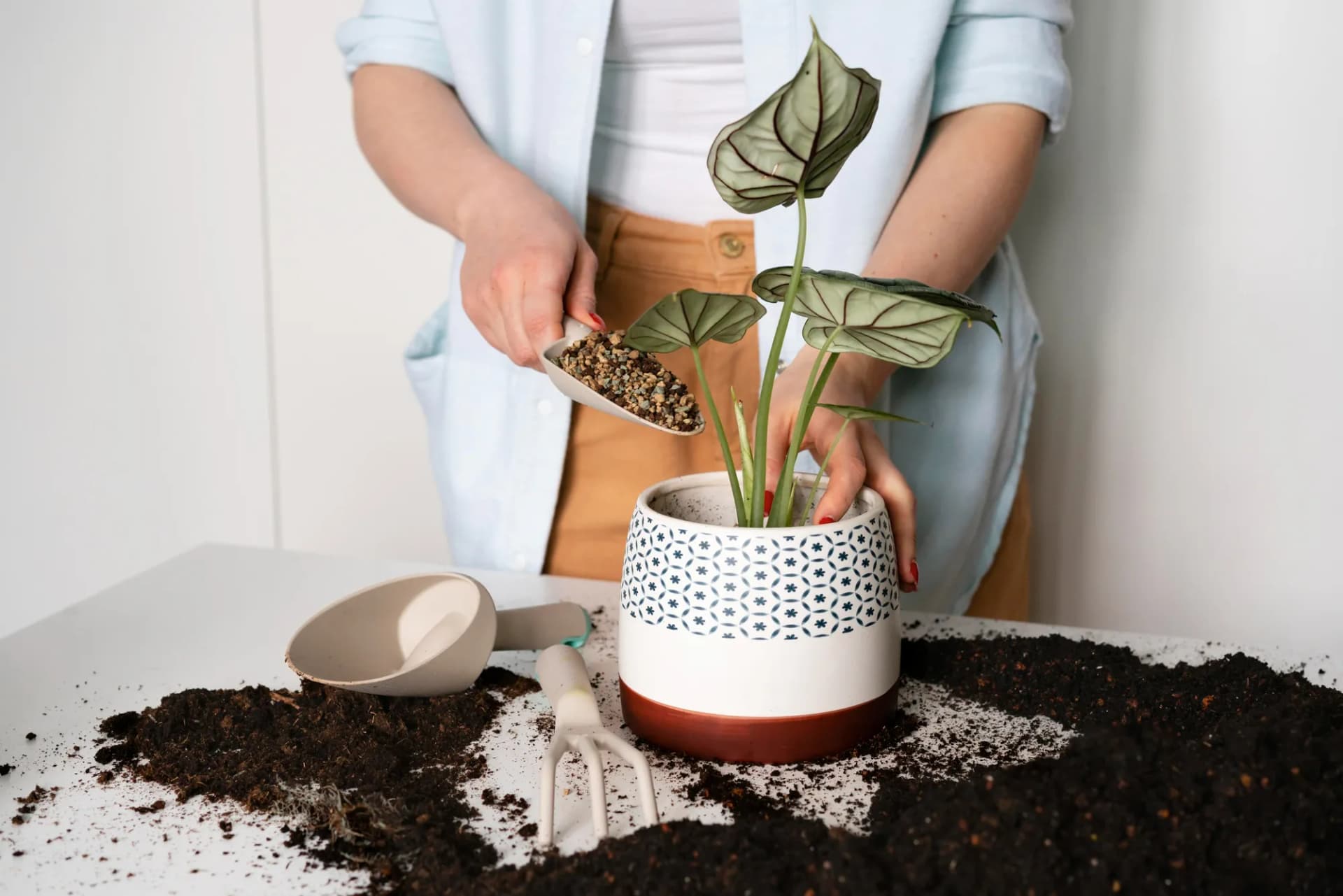
In spring, many plants need repotting—an essential part of care. To avoid stress, consider the plant’s type and size. This article offers a step-by-step guide for repotting indoors or outdoors and shows how to check plant health and get care tips using the Botan App.

8 min read · 9 Oct 2026
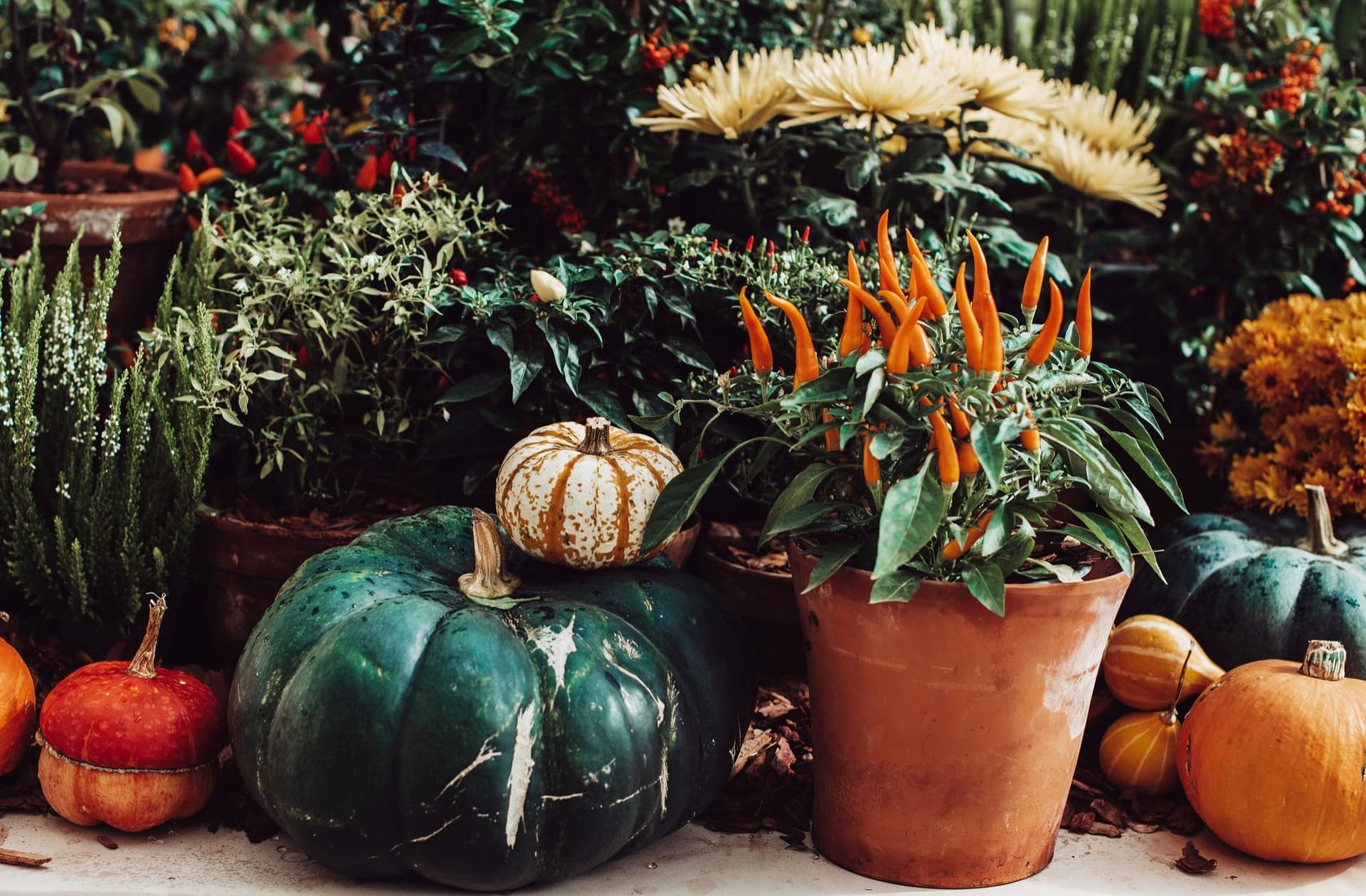
Want a garden that looks eerie in October? Here are 15 Halloween plants and fungi, from carnivorous traps to bleeding mushrooms. For each species, we cover its appearance, care requirements, and potential uses in your landscape.