

Is Peace Lily Toxic?Spathiphyllum wallisii

Toxic to Pets & Humans
  • HumansMild
  • CatsMild
  • DogsMild
Toxic compound
insoluble calcium oxalates
Toxic parts
all parts
Contact risk
sap irritates skin and mouth
Spathiphyllum wallisii Toxicity

Peace lily (Spathiphyllum wallisii) is toxic to humans, cats, and dogs. All parts contain insoluble calcium oxalates. Chewing or eating the plant is the main exposure concern, although contact with its sap also poses a risk.

GroupToxicityShort answer
Humans
Toxic
Toxic

Chewing any part can cause mouth irritation; swallowing the plant material is not required for exposure.

Cats
Toxic
Toxic

Biting leaves or flowers can cause drooling, even when the plant material is not swallowed.

Dogs
Toxic
Toxic

Dogs that chew or eat any part may develop mouth irritation.

Horses

Chewing or eating the plant can irritate a horse's mouth; the expected severity is uncertain.

Peace lily (Spathiphyllum wallisii) contains insoluble calcium oxalates in the form of needle-shaped crystals called raphides. Chewing damages plant cells and releases these crystals, which physically irritate the delicate tissues of the mouth and throat.

Exposure can occur through chewing or swallowing plant material. Sap released during cutting, pruning, or accidental breakage can also irritate skin or the mouth on contact.

Plant partContains toxinDetails
All parts
Contains toxin: Yes
Yes

All parts contain insoluble calcium oxalates. Chewing plant material releases irritating crystals, while contact with sap can irritate skin and mouth.

Symptoms after chewing peace lily usually begin promptly. The pattern of symptoms depends on whether the plant was chewed or its sap contacted the skin.

AreaSymptoms
Mouth & throat

Burning pain, swollen lips or tongue, and difficulty swallowing.

Digestive system

Nausea and occasional vomiting after chewing.

Skin

Localized redness, itching, or irritation after sap contact.

Cats & dogs

Drooling, mouth irritation, vomiting, and difficulty swallowing.

Peace lily care involves positioning arching foliage, trimming faded flowers, and dividing crowded clumps while keeping plant material away from children and pets.

  1. Keep Arching Leaves Beyond Reach

    Place the pot where children and pets cannot reach its outward-arching leaves or flower stalks, including from nearby furniture.

  2. Wear Gloves When Cutting

    Wear gloves when pruning leaves or flower stalks to limit sap contact. Keep hands away from the face while handling freshly cut material.

  3. Collect Faded Flowers and Trimmings

    Place faded flower stalks, including their white flower coverings, directly into a waste bag after cutting. Collect leaf trimmings before pets can investigate.

  4. Contain Material During Division

    Divide crowded clumps on a washable tray away from children and pets. Gather loose roots and leaf fragments before returning the plant.

Peace lily sap can irritate skin on contact. The documented concern is contact with sap, such as from damaged leaves or stems, rather than simply touching the surface of an intact leaf.

Can You ID Potentially Toxic Plants?

With Botan App, identify plants from photos and check available toxicity information for both people and pets.

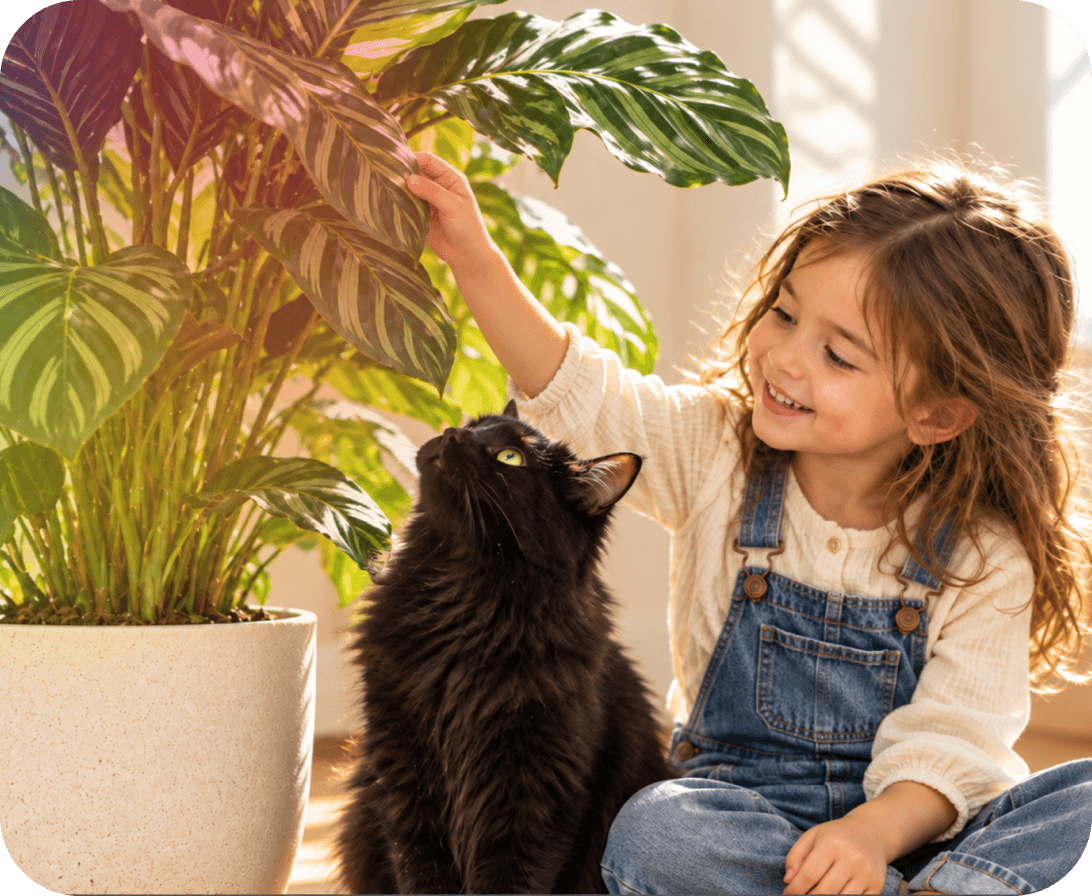
A child and a cat next to a houseplant

FAQ

Yes. Drying or dying does not remove the insoluble calcium oxalate crystals, so dead leaves and other plant material remain toxic if chewed. Fallen or dried pieces should be kept out of reach of children and pets.

More Plant Toxicity Guides

Name That Unfamiliar Plant by Photo

A quick snapshot helps Botan App identify what’s growing nearby.

Botan app checking whether a plant is toxic
What Do Plants Need to Grow – 5 Things Every Greenery Can't Live Without

8 min read · 31 Jul 2026

What Do Plants Need to Grow – 5 Things Every Greenery Can't Live Without

To keep plants healthy and thriving, provide the right balance of light, humidity, nutrients, airflow, and quality soil. This guide covers the essentials of year-round plant care.

Beginner Guides
What Do Plants Need to Grow – 5 Things Every Greenery Can't Live Without
How to Water Houseplants: Watering Guide

7 min read · 24 Aug 2026

How to Water Houseplants: Watering Guide

Learn how often to water indoor plants, key factors for proper watering, and how to adjust the care routine by plant type, season, pot size, light, and indoor conditions.

Plant Care
How to Water Houseplants: Watering Guide
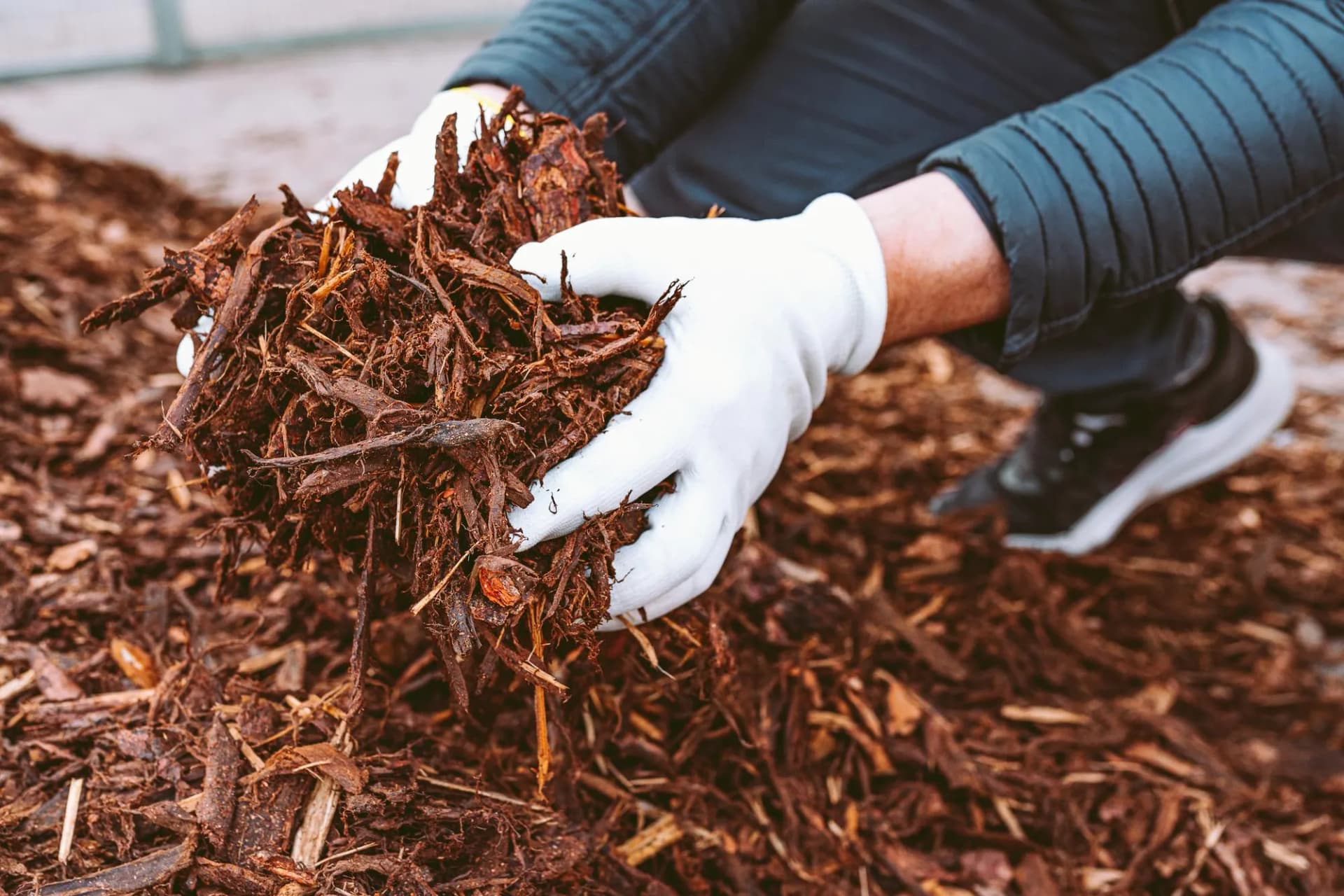
How to Mulch in the Fall and When to Wait Until Spring

5 min read · 12 Nov 2026

How to Mulch in the Fall and When to Wait Until Spring

In the fall, mulch gives the roots of trees and shrubs insulation and more stable conditions through winter. In the spring, it mainly suppresses weeds and keeps moisture in the soil during the growing season.

Beginner Guides
How to Mulch in the Fall and When to Wait Until Spring