Is Snake Plant Toxic?Dracaena trifasciata

Toxic to Pets
  • HumansNon-toxic
  • CatsModerate
  • DogsModerate
Toxic compound
saponins
Toxic parts
leaves
Dracaena trifasciata Toxicity

Snake plant is non-toxic to humans but toxic to cats and dogs. Its upright, sword-shaped leaves contain saponins, making chewing or swallowing the leaves the main concern for pet exposure.

GroupToxicityShort answer
Humans
Non-toxic
Non-toxic

Accidentally eating a small piece of leaf is not expected to cause poisoning, but the plant is not food.

Cats
Toxic
Toxic

Chewing or swallowing the leaves can cause vomiting in affected cats.

Dogs
Toxic
Toxic

Eating the leaves can cause excessive drooling, a sign of poisoning in dogs.

Horses

Horses that chew or swallow the leaves may develop digestive upset.

Snake plant (Dracaena trifasciata) contains saponins, the compounds responsible for its toxicity to cats and dogs. These substances can interact with cell membranes and irritate the tissues lining the digestive tract.

Exposure occurs when cats or dogs chew or swallow plant tissue. Chewing breaks open plant cells, releasing their contents and allowing the saponins to come into contact with digestive tissues.

Plant partContains toxinDetails
Leaves
Contains toxin: Yes
Yes

The leaves contain saponins. Cats and dogs can be exposed to these compounds when they chew or swallow leaf material.

After a cat or dog chews snake plant leaves, observable signs may involve digestion and behavior. These signs alone cannot confirm which plant caused the illness.

AreaSymptoms
Cats & dogs

Vomiting, excessive drooling, and reduced activity or unusual listlessness.

Snake plants have long, upright leaves that pets may reach from floor level, while pruning and propagation create loose leaf pieces.

  1. Keep Leaves Beyond Reach

    Place the pot where pets cannot reach the long leaves, including from nearby furniture. A room pets cannot enter is preferable for persistent climbers.

  2. Collect Leaves During Pruning

    When removing damaged outer leaves at the base, collect each leaf immediately. Put leaves and any trimmed fragments in a covered trash container.

  3. Secure Leaf Propagation Trays

    Snake plants can be propagated from leaf sections. Keep drying cuttings and rooting containers in a pet-inaccessible area, rather than on low tables or windowsills.

Identify Your Plant and Check Risks

Explore photo-based plant identification with Botan App and review available toxicity information for people and pets.

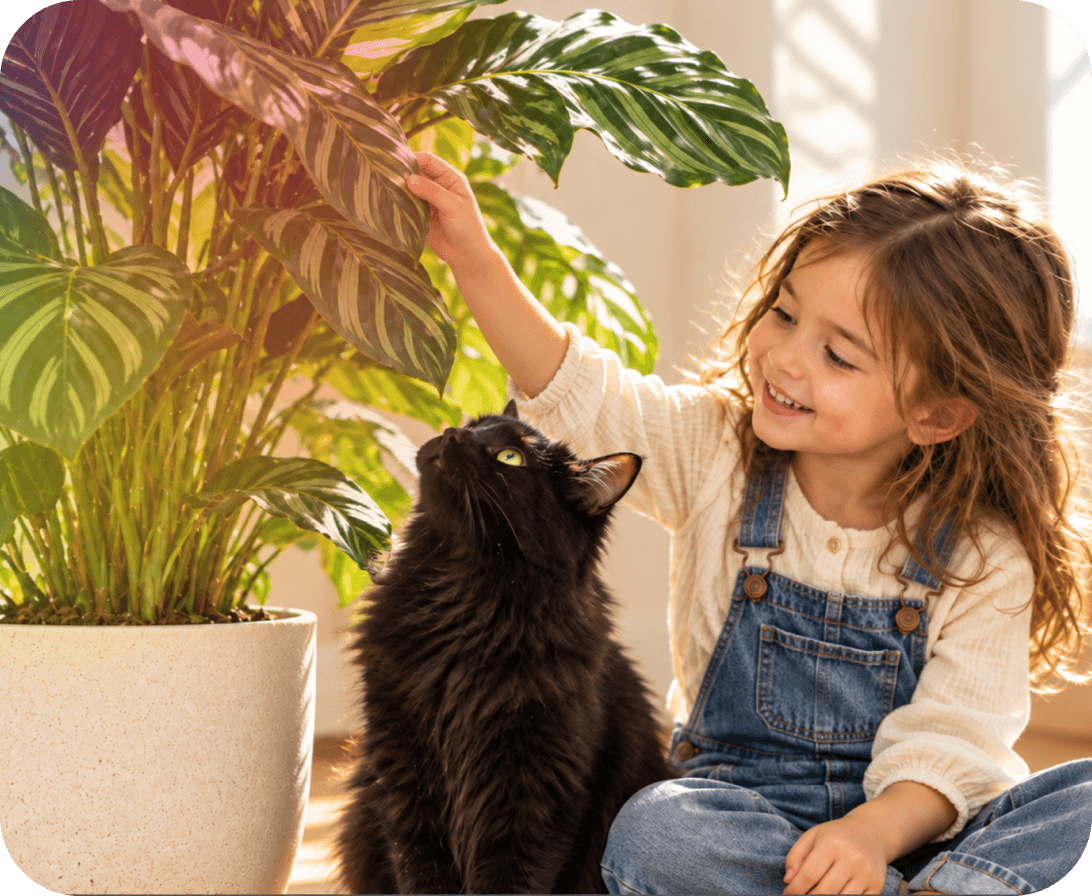
A child and a cat next to a houseplant

FAQ

Yes. Cultivars such as 'Laurentii' and 'Hahnii' should all be treated as toxic to cats and dogs. Differences in leaf color, pattern, or plant size do not make a cultivar a non-toxic alternative.

More Plant Toxicity Guides

Identify a Gift Plant from a Photo

Use Botan App to learn an unfamiliar plant’s name from photos.

Botan app checking whether a plant is toxic
How to Water Succulents: When, How Often, and How Much

7 min read · 18 Nov 2026

How to Water Succulents: When, How Often, and How Much

Yellowing, mushy, or shriveled leaves can all point to a watering problem, yet each can have a different cause. This guide explains how to water succulents, when to wait, and how soil, pots, and seasons change the routine.

Plant Care
How to Water Succulents: When, How Often, and How Much
How To Revive a Dying Plant: 6 Steps To Bring A Plant Back To Life

6 min read · 1 Sept 2026

How To Revive a Dying Plant: 6 Steps To Bring A Plant Back To Life

Drooping leaves and brown tips don't always mean the end, and a weakened plant can often recover with a little help. These six simple steps will help you revive a dying plant and restore its health.

Plant Care
How To Revive a Dying Plant: 6 Steps To Bring A Plant Back To Life
How to Repot a Plant: A Step-by-Step Guide

7 min read · 28 May 2026

How to Repot a Plant: A Step-by-Step Guide

In spring, many plants need repotting—an essential part of care. To avoid stress, consider the plant’s type and size. This article offers a step-by-step guide for repotting indoors or outdoors and shows how to check plant health and get care tips using the Botan App.

Plant Care
How to Repot a Plant: A Step-by-Step Guide