

Is Snake Plant Toxic to Cats?Dracaena trifasciata

Toxicity level

Toxic to Cats
Toxic compound
saponins
Toxic parts
leaves

Snake plant is toxic to cats, and chewing or swallowing its leaves can cause moderate illness. Its upright leaves are easily accessible in floor pots, so contact a veterinarian promptly if a cat chews or swallows them.

The leaves of a snake plant contain saponins, the compounds responsible for its toxicity to cats. When a cat chews and swallows leaf material, these compounds contact the lining of the stomach and intestines. Saponins can interact with cell membranes and irritate these sensitive tissues, disrupting the normal function of the digestive tract.

Toxic componentWhere foundHow it acts
Saponins
Found in: Leaves
LeavesInteract with cell membranes and irritate the stomach and intestinal lining.

A snake plant is toxic to cats when its leaves are eaten; brushing against it is not the main concern. Contact a veterinarian if any leaf material was swallowed or signs develop.

  1. Remove loose pieces

    Remove loose pieces of the thick leaves from the mouth only if easily reached. Do not make the cat vomit unless a veterinarian directs it.

  2. Move the plant

    Move the pot out of the cat’s reach and pick up broken leaf pieces around its base to stop further chewing.

  3. Check chewed leaves

    Look for fresh bite marks and missing sections along the upright leaves. Photograph the damage and estimate how much leaf material may be missing.

Cats that chew the leaves may show digestive upset and changes in eating behavior. Watch for unusual mouth movements, abdominal heaving, or changes in the litter box compared with the cat’s usual habits.

  • Nausea

    A cat may repeatedly lick its lips, swallow more often, or turn away from food it normally enjoys.

  • Vomiting

    The cat may crouch and heave before bringing up food or fluid, unlike a passive dribble from the mouth.

  • Diarrhea

    Stools become loose or watery rather than formed, sometimes leaving smears on litter or fur around the rear.

When Signs Appear

  1. 0–6 hours

    Nausea and vomiting may begin within hours of chewing leaves.

  2. 6–24 hours

    Vomiting may continue, and diarrhea can develop during stomach upset.

  3. 1–2 days

    Mild signs often ease within a day or two, though recovery varies.

A snake plant is often kept in a floor pot or on a low stand, where a cat can reach its stiff, upright leaves.

  • Choose a closed room

    Keep the pot in a room the cat cannot enter. Upright leaves can remain accessible on stands beside furniture or other climbing routes.

  • Unpack new plants separately

    Bring new pots directly into a cat-free room for unpacking, rather than leaving them on the floor where exposed leaves are easy to chew.

  • Contain leaf trimmings

    Remove damaged leaves and divide crowded plants away from the cat. Place leaf pieces and leafy divisions in inaccessible containers before cleaning the workspace.

Choosing a New Plant

Botan App identifies plants from one photo and instantly reveals risks to cats.

Available on iOS and Android

FAQ

It generally poses less risk than true lilies, which can cause acute kidney failure in cats. Its main effects involve digestive upset rather than the kidney injury associated with lilies, but eating its leaves still warrants veterinary advice.

Are Your Other Plants Cat-Safe?

Botan App identifies your windowsill plants from photos and explains how each affects cats.

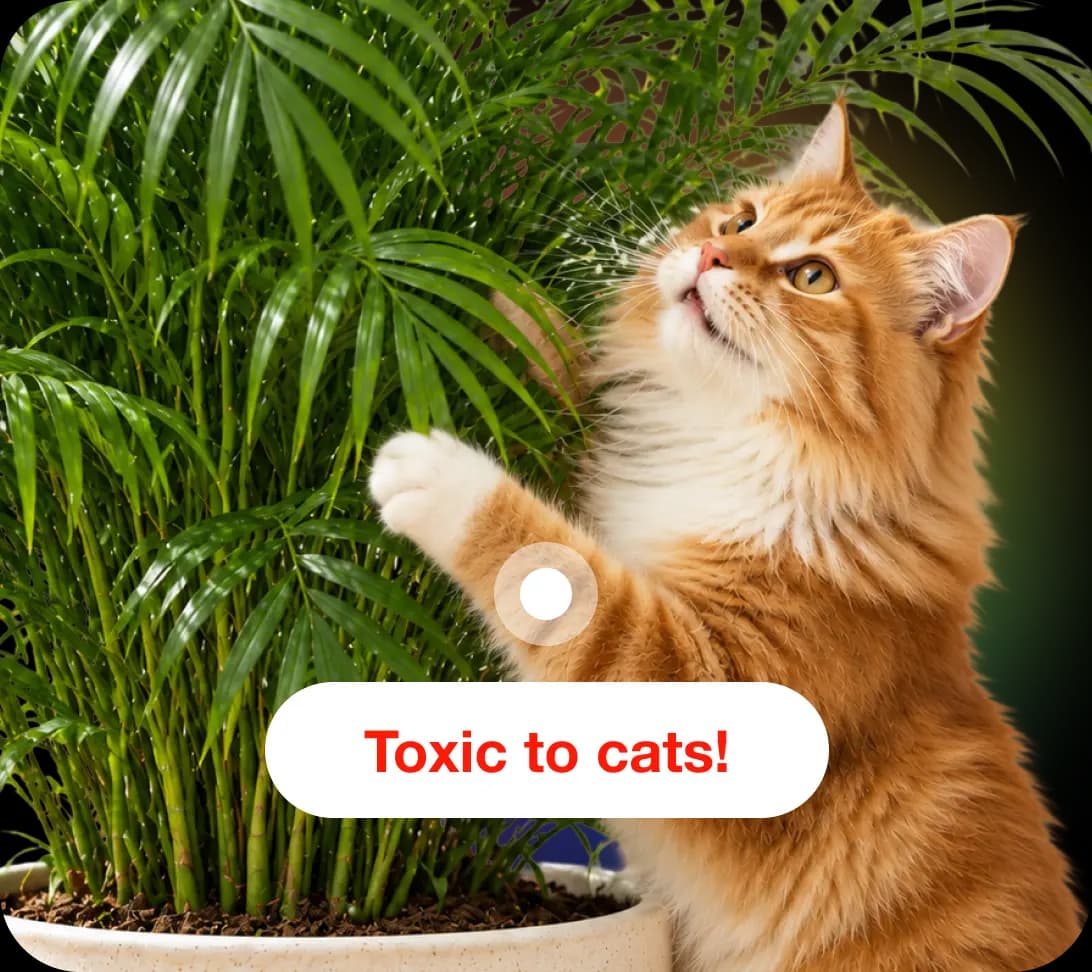
An orange cat reaching for a houseplant

Toxic to cats!

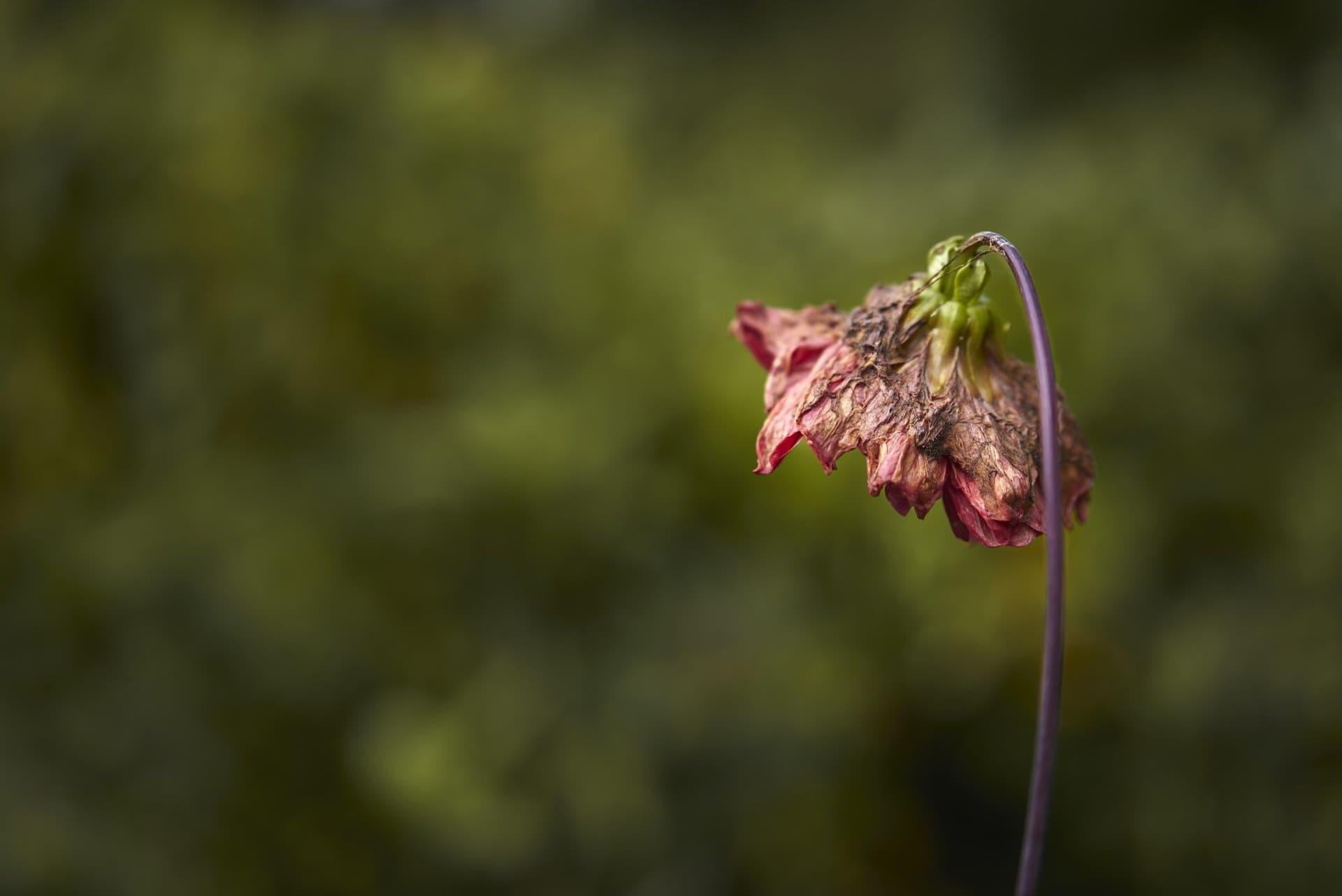
How to Water Succulents: When, How Often, and How Much

7 min read · 18 Nov 2026

How to Water Succulents: When, How Often, and How Much

Yellowing, mushy, or shriveled leaves can all point to a watering problem, yet each can have a different cause. This guide explains how to water succulents, when to wait, and how soil, pots, and seasons change the routine.

Plant Care
How to Water Succulents: When, How Often, and How Much
How To Revive a Dying Plant: 6 Steps To Bring A Plant Back To Life

6 min read · 1 Sept 2026

How To Revive a Dying Plant: 6 Steps To Bring A Plant Back To Life

Drooping leaves and brown tips don't always mean the end, and a weakened plant can often recover with a little help. These six simple steps will help you revive a dying plant and restore its health.

Plant Care
How To Revive a Dying Plant: 6 Steps To Bring A Plant Back To Life
How to Repot a Plant: A Step-by-Step Guide

7 min read · 28 May 2026

How to Repot a Plant: A Step-by-Step Guide

In spring, many plants need repotting—an essential part of care. To avoid stress, consider the plant’s type and size. This article offers a step-by-step guide for repotting indoors or outdoors and shows how to check plant health and get care tips using the Botan App.

Plant Care
How to Repot a Plant: A Step-by-Step Guide