Is Monstera Toxic?Monstera deliciosa

Toxic to Pets & Humans
  • HumansMild
  • CatsMild
  • DogsMild
Toxic compound
insoluble calcium oxalates
Toxic parts
fruit & leaves
Contact risk
sap irritates skin and mouth
Monstera deliciosa Toxicity

Swiss cheese plant is toxic to humans, cats, and dogs. Its leaves and unripe fruit contain insoluble calcium oxalates, making chewing or eating them a concern. Contact with the sap is another exposure route.

GroupToxicityShort answer
Humans
Toxic
Toxic

Chewing the leaves or eating unripe fruit can cause irritation in the mouth.

Cats
Toxic
Toxic

Cats that chew the leaves may drool after contact with the plant's irritating contents.

Dogs
Toxic
Toxic

Chewing leaves or unripe fruit can irritate a dog's mouth, even without swallowing the plant material.

Horses

Horses can develop irritation in the mouth if they chew or eat the plant.

Monstera deliciosa contains insoluble calcium oxalates in the form of tiny, needle-shaped crystals called raphides. These crystals physically pierce exposed tissues, causing local irritation rather than needing to dissolve to have an effect.

Exposure can occur when people or pets chew the plant, or when handling damaged tissue brings sap into contact with skin. Sap transferred to the eyes can also cause irritation.

Plant partContains toxinDetails
Leaves
Contains toxin: Yes
Yes

Leaves contain insoluble calcium oxalate crystals. Chewing damages leaf cells and releases these crystals into the mouth.

Fruit
Contains toxin: Yes
Yes

Unripe fruit contains irritating calcium oxalate crystals. Eating it exposes the mouth and digestive tract to these crystals.

Symptoms vary with the type of exposure: chewing affects the mouth and sometimes digestion, while direct sap contact can affect exposed skin or eyes.

AreaSymptoms
Mouth & throat

Burning pain, mouth irritation, swelling, and difficulty swallowing.

Digestive system

Nausea, vomiting, and abdominal discomfort.

Skin

Localized redness, itching, or burning after contact.

Eyes

Redness, burning, pain, and excessive tearing.

Cats & dogs

Drooling, mouth pain, pawing at the mouth, vomiting, and difficulty swallowing.

As Monstera deliciosa climbs and spreads, its expanding foliage and pruning waste need careful placement and handling around the home.

  1. Choose a Restricted Location

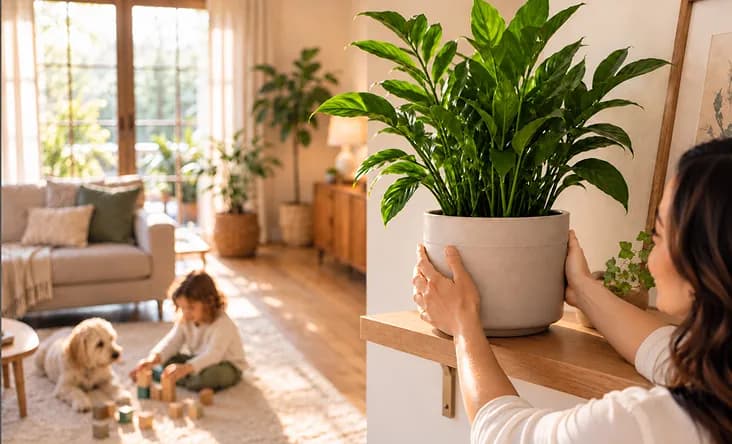
    Place Monstera deliciosa where children and pets cannot reach its broad leaves. Allow room for outward growth, and reassess access as new leaves develop.

  2. Secure Climbing Stems

    Train climbing stems onto a sturdy support with plant ties. Check ties during routine care to keep leafy growth from trailing into accessible areas.

  3. Wear Protection When Pruning

    Wear gloves and eye protection when pruning to limit sap contact. Keep gloved hands away from the face while handling freshly cut material.

  4. Contain Leaves and Cuttings

    Collect trimmed and fallen leaves promptly in a closed waste container. Keep leafy propagation cuttings in a separate area inaccessible to children and pets.

Touching intact Monstera deliciosa leaves is less likely to cause irritation than contact with sap from damaged tissue. The sap can irritate skin and the mouth, and the plant is also a documented eye irritant.

Unsure About Your Plant’s ID or Risks?

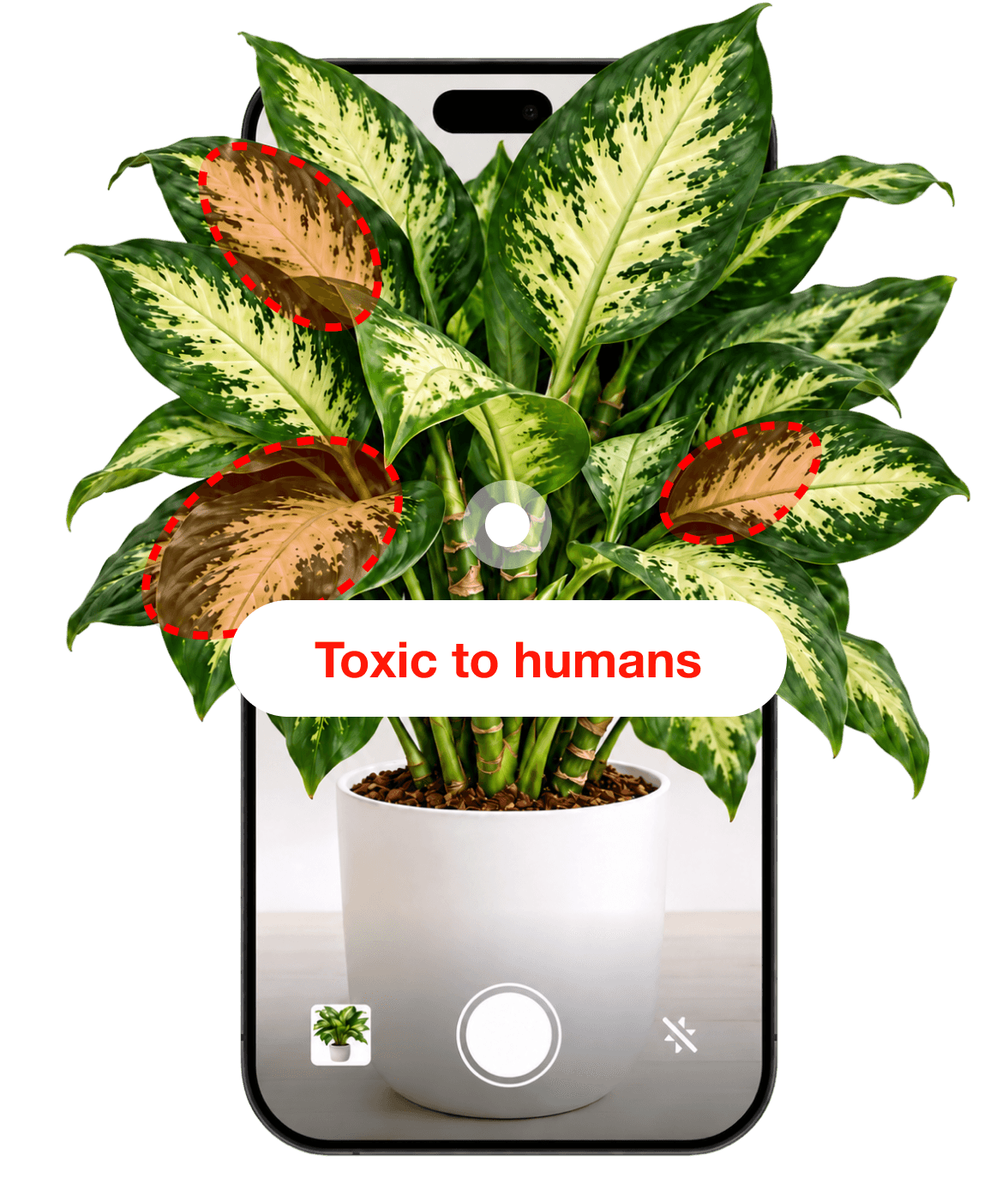
Get help identifying plants from photos through Botan App and check available toxicity information for humans and pets.

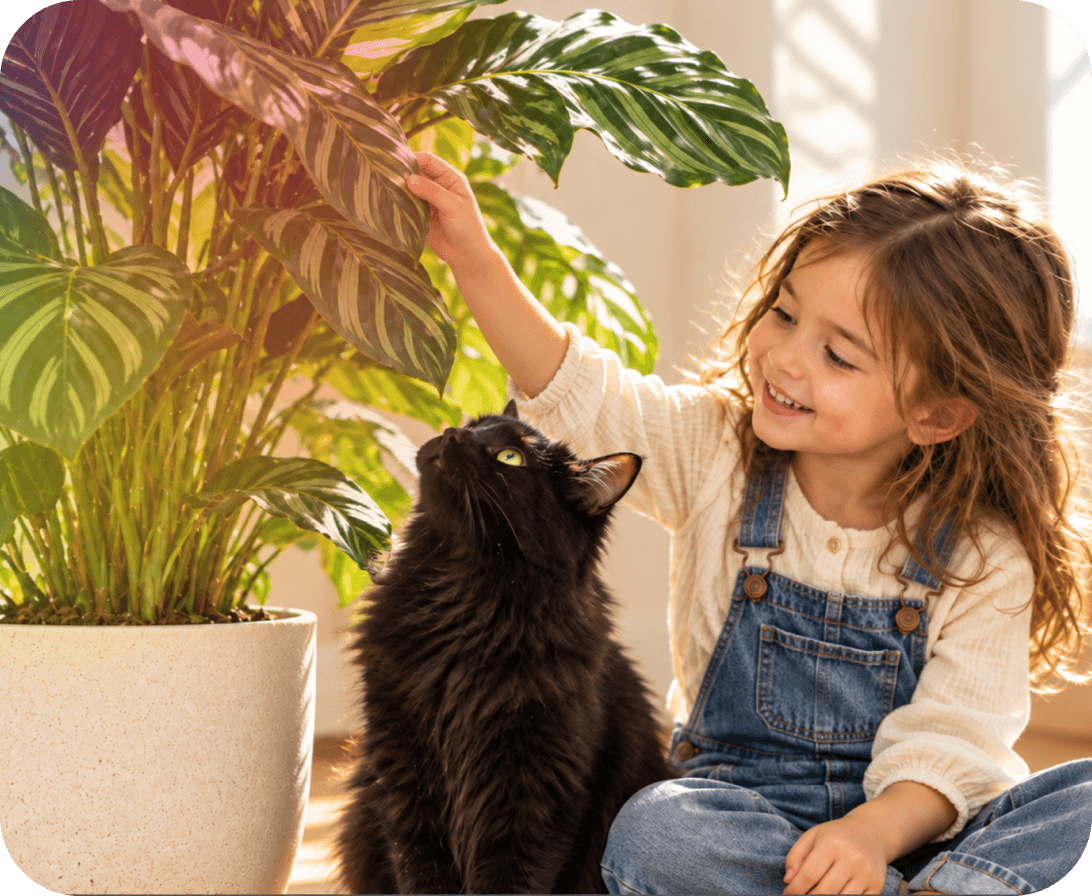
A child and a cat next to a houseplant

FAQ

Contact can cause irritation without any part being swallowed. Sap can irritate skin and eyes, while chewing leaves can irritate the mouth even if nothing is swallowed. Wear gloves when pruning or handling damaged leaves.

More Plant Toxicity Guides

Discover What’s Growing with Photo ID

Find an unfamiliar plant’s name from a photo with Botan App.

Botan app checking whether a plant is toxic
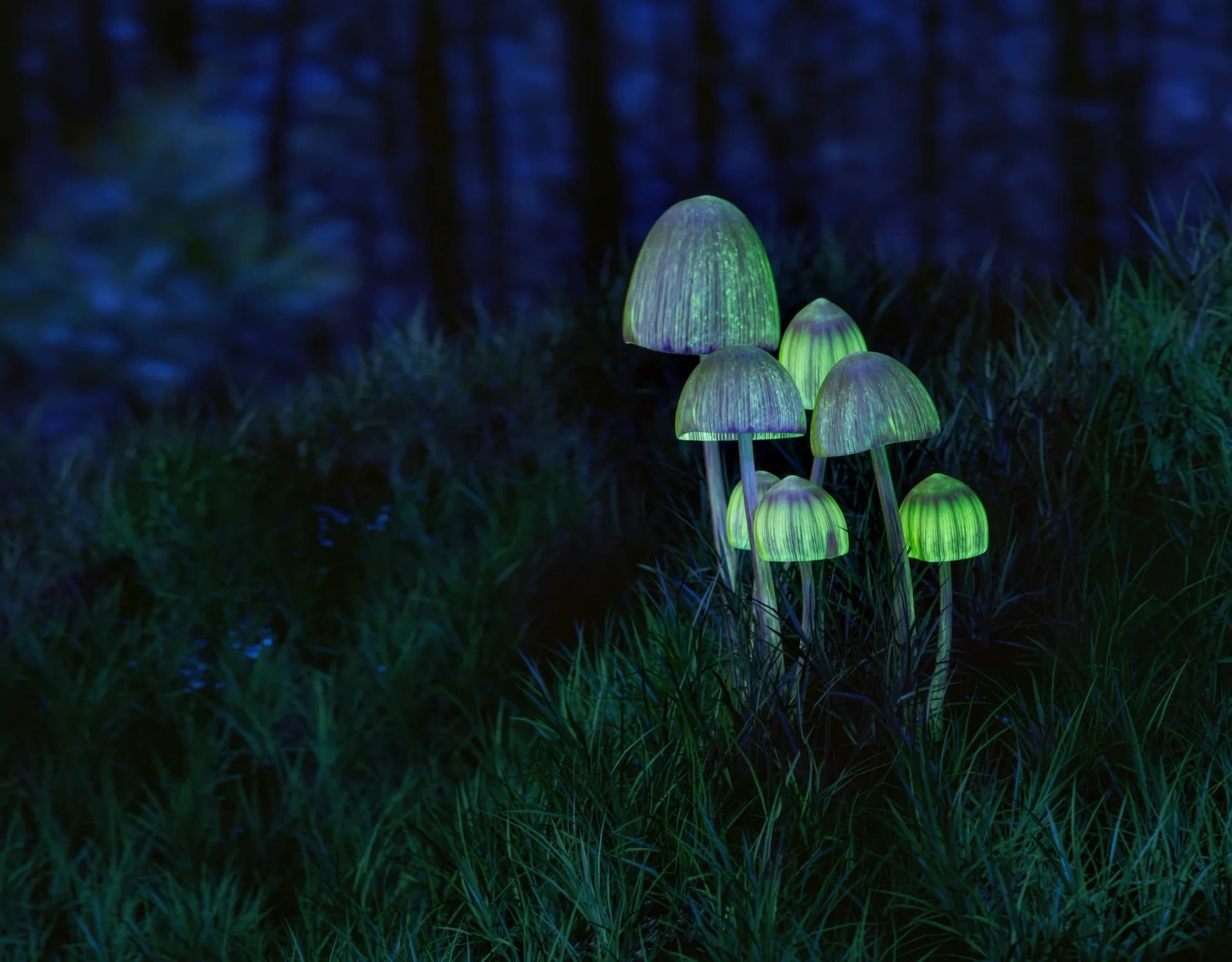
8 Glow-in-the-Dark Plants and Fungi That Really Exist

8 min read · 6 Nov 2026

8 Glow-in-the-Dark Plants and Fungi That Really Exist

Plants that glow in the dusk really exist. Some of them produce their own light, while others need UV exposure or special treatments. Explore eight fascinating examples, including glowing petunias, bioluminescent mushrooms, fluorescent flowers, and experimental succulents.

Plant Recommendations
8 Glow-in-the-Dark Plants and Fungi That Really Exist
How to Repot a Plant: A Step-by-Step Guide

7 min read · 28 May 2026

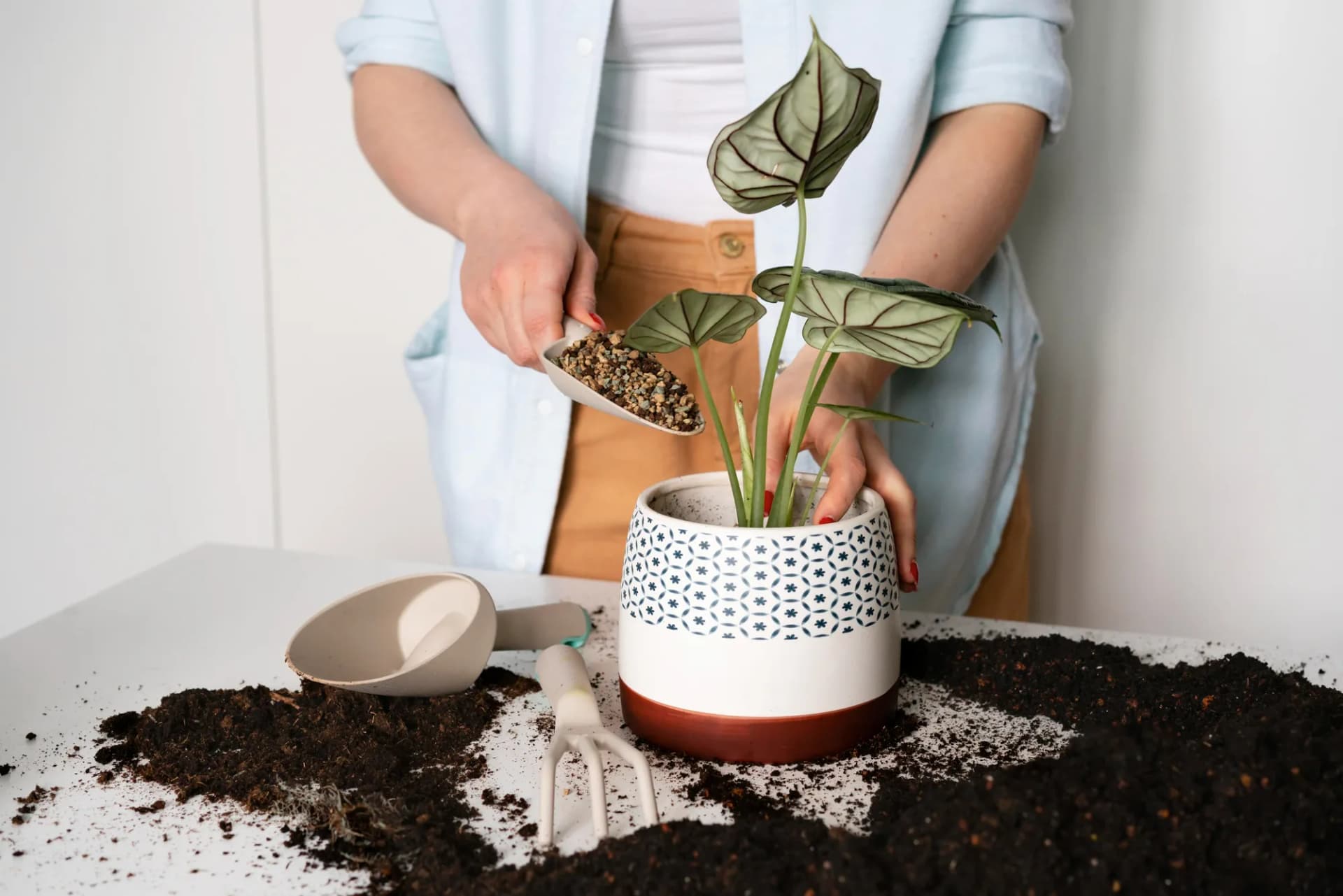
How to Repot a Plant: A Step-by-Step Guide

In spring, many plants need repotting—an essential part of care. To avoid stress, consider the plant’s type and size. This article offers a step-by-step guide for repotting indoors or outdoors and shows how to check plant health and get care tips using the Botan App.

Plant Care
How to Repot a Plant: A Step-by-Step Guide
How to Bottom Water Plants: Complete Guide

6 min read · 13 Jul 2026

How to Bottom Water Plants: Complete Guide

Bottom watering helps soil absorb moisture evenly and keeps foliage dry, reducing the risk of missed dry spots or root problems. Place the pot in a tray of water for a short time, then let it drain well.

Plant Care
How to Bottom Water Plants: Complete Guide