



Is Peace Lily Toxic to Cats?Spathiphyllum wallisii

Toxicity level

Toxic to Cats
Toxic compound
insoluble calcium oxalates
Toxic parts
all parts

Chewing a peace lily can cause mild poisoning in cats. Its broad leaves can invite nibbling, so keep it out of reach and contact a veterinarian if a cat eats or chews any part.

All parts of the peace lily contain insoluble calcium oxalates, microscopic needle-shaped crystals called raphides. When a cat chews the plant, damaged plant cells release these crystals into the mouth. The sharp crystals penetrate the delicate tissue lining the mouth and throat, causing physical injury and inflammation. They act mainly through direct contact with tissue rather than by dissolving and entering the bloodstream.

Toxic componentWhere foundHow it acts
Insoluble calcium oxalates
Found in: All parts
All partsNeedle-shaped crystals penetrate mouth and throat tissues, causing injury and inflammation.

All parts of the peace lily can irritate a cat’s mouth when chewed, though toxicity is generally mild. Contact a veterinarian if signs persist or worsen.

  1. Check the mouth

    Look for leaf or flower pieces around the mouth without forcing it open. Do not make the cat vomit unless a veterinarian directs it.

  2. Remove the plant

    Move the entire pot out of the cat’s reach and collect fallen leaves and flowers, since every part of this upright houseplant is toxic.

  3. Assess the damage

    Check the broad, glossy leaves, flower stalks, and stems for fresh bite marks. Note which parts are missing and roughly how much was chewed.

Cats that chew the plant may show changes centered on the mouth and swallowing, along with stomach upset. Watch for unusual mouth movements or changes in how the cat handles food and saliva.

  • Mouth irritation

    The cat may paw at its mouth, rub its face, or repeatedly open and close its mouth.

  • Drooling

    Saliva may drip from the mouth or leave the chin and chest noticeably wetter than usual.

  • Vomiting

    The cat may retch with visible belly contractions and bring up food, fluid, or foam.

  • Difficulty swallowing

    The cat may make repeated swallowing attempts, gag while trying to eat, or stop eating after taking a bite.

How Signs Develop

  1. 0–1 hour

    Mouth irritation starts quickly, often with drooling and trouble swallowing.

  2. 1–24 hours

    Drooling may continue, with vomiting and discomfort when swallowing.

  3. 1–2 days

    Mild signs usually ease, with most cats recovering within this period.

Floor pots and low tables put a peace lily’s leaves within chewing distance, while nearby furniture can give a cat access to plants displayed higher up.

  • Choose a cat-free room

    Keep the upright plant in a room with a securely closed door. A tall stand alone does not prevent access from nearby furniture.

  • Collect fallen plant material

    Check around the pot for fallen leaves and old flowers. All parts are toxic, including pieces a cat could pull beneath the door.

  • Unpack gifts behind closed doors

    Take newly purchased or gifted pots directly into the cat-free room before removing their sleeves, rather than leaving them temporarily on shared counters.

  • Contain care debris

    Keep the cat out during pruning and repotting. Bag cut leaves, spent flowers, and loose roots, then place them in a covered trash container.

Find a Cat-Friendly Addition

While shopping, Botan App instantly names plants from a photo and explains cat toxicity.

Available on iOS and Android

FAQ

Yes, even one bite can cause irritation. Chewing damages the plant’s cells and releases irritating crystals, so a cat does not need to swallow a large piece to be affected. The amount eaten alone does not reliably predict severity.

More Plant Toxicity Guides for Cats

Do You Know Every Plant at Home?

Room by room, Botan App identifies plants from photos and explains their effects on cats.

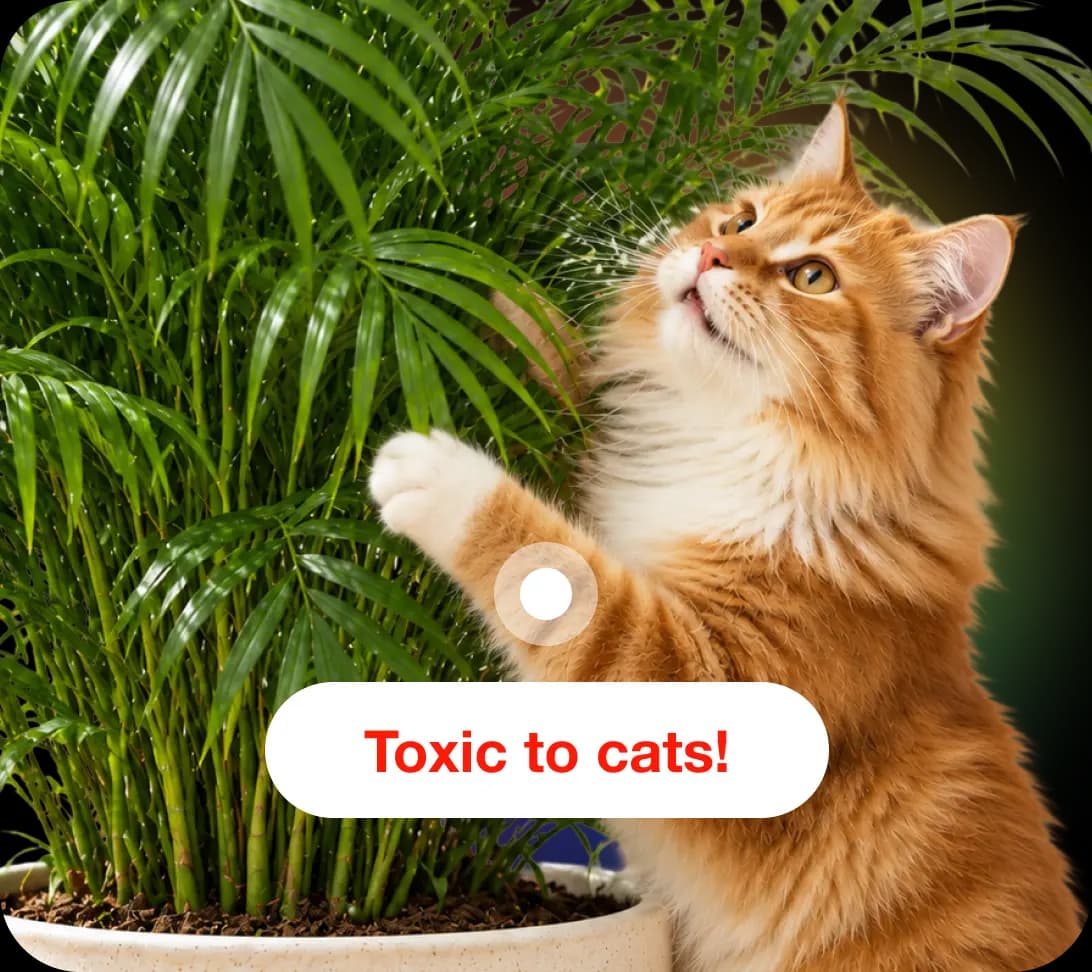
An orange cat reaching for a houseplant

Toxic to cats!

What Do Plants Need to Grow – 5 Things Every Greenery Can't Live Without

8 min read · 31 Jul 2026

What Do Plants Need to Grow – 5 Things Every Greenery Can't Live Without

To keep plants healthy and thriving, provide the right balance of light, humidity, nutrients, airflow, and quality soil. This guide covers the essentials of year-round plant care.

Beginner Guides
What Do Plants Need to Grow – 5 Things Every Greenery Can't Live Without
How to Water Houseplants: Watering Guide

7 min read · 24 Aug 2026

How to Water Houseplants: Watering Guide

Learn how often to water indoor plants, key factors for proper watering, and how to adjust the care routine by plant type, season, pot size, light, and indoor conditions.

Plant Care
How to Water Houseplants: Watering Guide
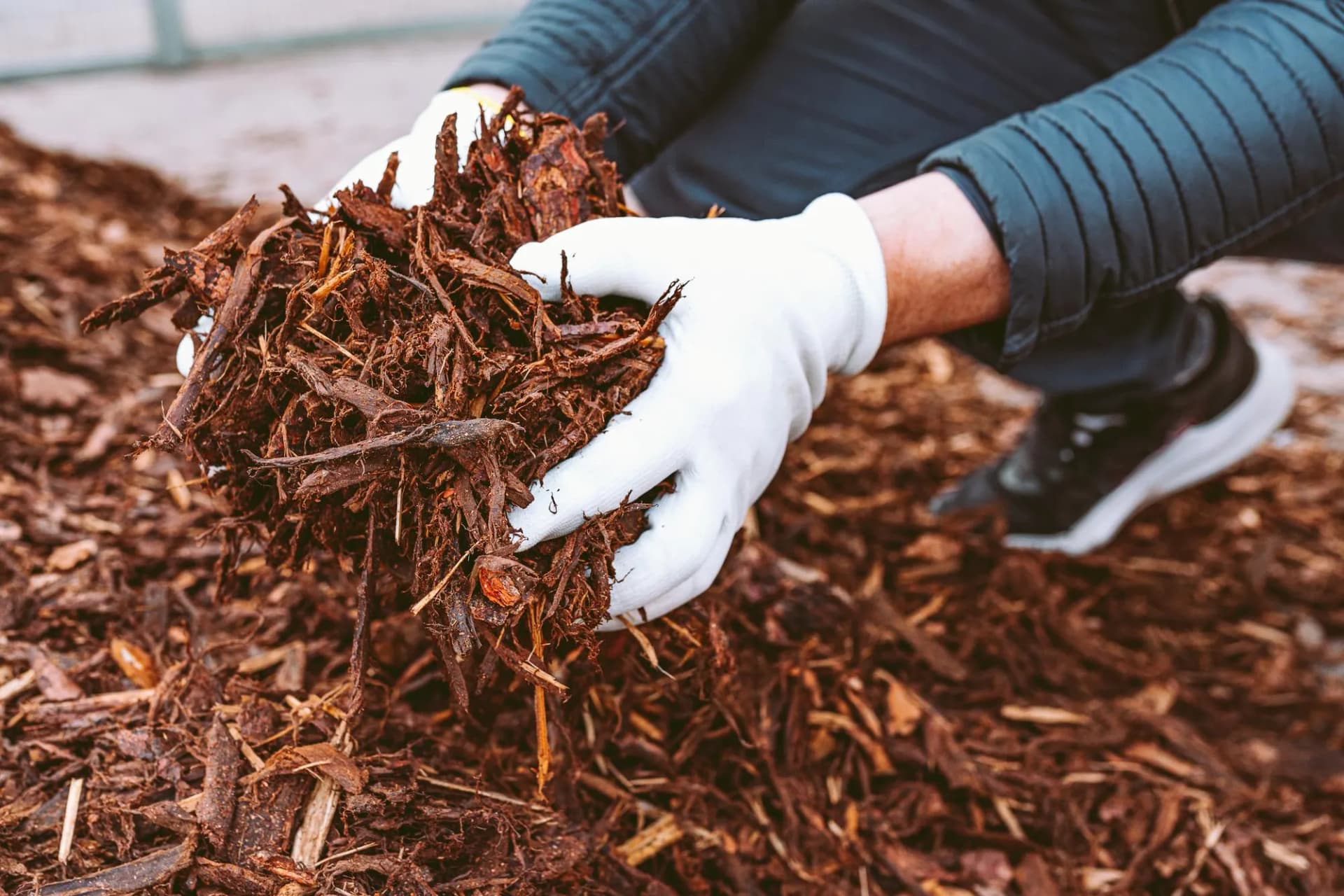
How to Mulch in the Fall and When to Wait Until Spring

5 min read · 12 Nov 2026

How to Mulch in the Fall and When to Wait Until Spring

In the fall, mulch gives the roots of trees and shrubs insulation and more stable conditions through winter. In the spring, it mainly suppresses weeds and keeps moisture in the soil during the growing season.

Beginner Guides
How to Mulch in the Fall and When to Wait Until Spring