

Is Jade Plant Toxic to Cats?Crassula ovata

Toxicity level

Toxic to Cats
Toxic compound
not identified
Toxic parts
leaves

A jade plant’s leaves are toxic to cats, although poisoning is generally mild. Its fleshy leaves may be easy to reach on low windowsills, so contact a veterinarian for advice if a cat chews or eats them.

The leaves of Crassula ovata contain a toxic substance that has not been identified. When a cat eats the leaves, the toxic effects involve both the digestive tract and the nervous system. These body systems process food and control functions such as movement, coordination, and responsiveness to the surrounding environment.

Toxic componentWhere foundHow it acts
Unidentified toxic substance
Found in: Leaves
LeavesAffects the digestive tract and nervous system when eaten.

Jade plant leaves are toxic to cats, with effects generally rated as mild. Contact a veterinarian if signs persist or worsen after a cat chews or swallows the leaves.

  1. Clear loose leaves

    Remove loose, easily reached pieces of fleshy leaf from the mouth without forcing it open. Do not make the cat vomit unless a veterinarian directs it.

  2. Move the plant

    Place the potted succulent out of reach while checking the area. Pick up fallen leaves from the windowsill, plant stand, and floor.

  3. Check missing leaves

    Look for bite marks and partly eaten leaves. Estimate how many leaves are missing, allowing for intact leaves that may have dropped beside the pot.

Signs associated with the plant can affect a cat’s digestion, behavior, and movement. Changes may be noticeable during familiar routines, especially when a cat interacts with people or moves around the home.

  • Stomach upset

    A cat may vomit, bringing up food or fluid rather than keeping meals down as usual.

  • Depression

    A normally responsive cat may seem unusually quiet, withdrawn, or uninterested in play and interaction.

  • Incoordination

    A cat may walk unsteadily, sway, or stumble instead of moving with its usual balance and precision.

Sunny windowsills and side tables put a jade plant's fleshy leaves near curious cats, especially where nearby furniture provides a route to the pot.

  • Choose a latched cabinet

    Keep the pot inside a sturdy, latched cabinet with cat-proof ventilation and bright light. Avoid sealed glass enclosures that trap heat and moisture around this succulent.

  • Collect fallen leaves

    The fleshy leaves can detach when bumped. Check the cabinet floor and door tracks, removing loose leaves before they fall outside when doors open.

  • Contain pruning debris

    Keep the cat outside the room during pruning or repotting. Place leafy cuttings directly into a closed waste container rather than leaving them on counters.

Plant Shopping Starts with Identification

Screen store finds instantly with Botan App: one photo reveals identity and cat toxicity.

Available on iOS and Android

FAQ

It typically has larger, thicker leaves and stouter stems than elephant bush (Portulacaria afra), a non-toxic look-alike. Elephant bush usually has small, rounded leaves on slender, reddish stems. Young plants can still be difficult to distinguish.

More Plant Toxicity Guides for Cats

Give Your Plants a Closer Look

Identify your windowsill plants from photos with Botan App and learn how they affect cats.

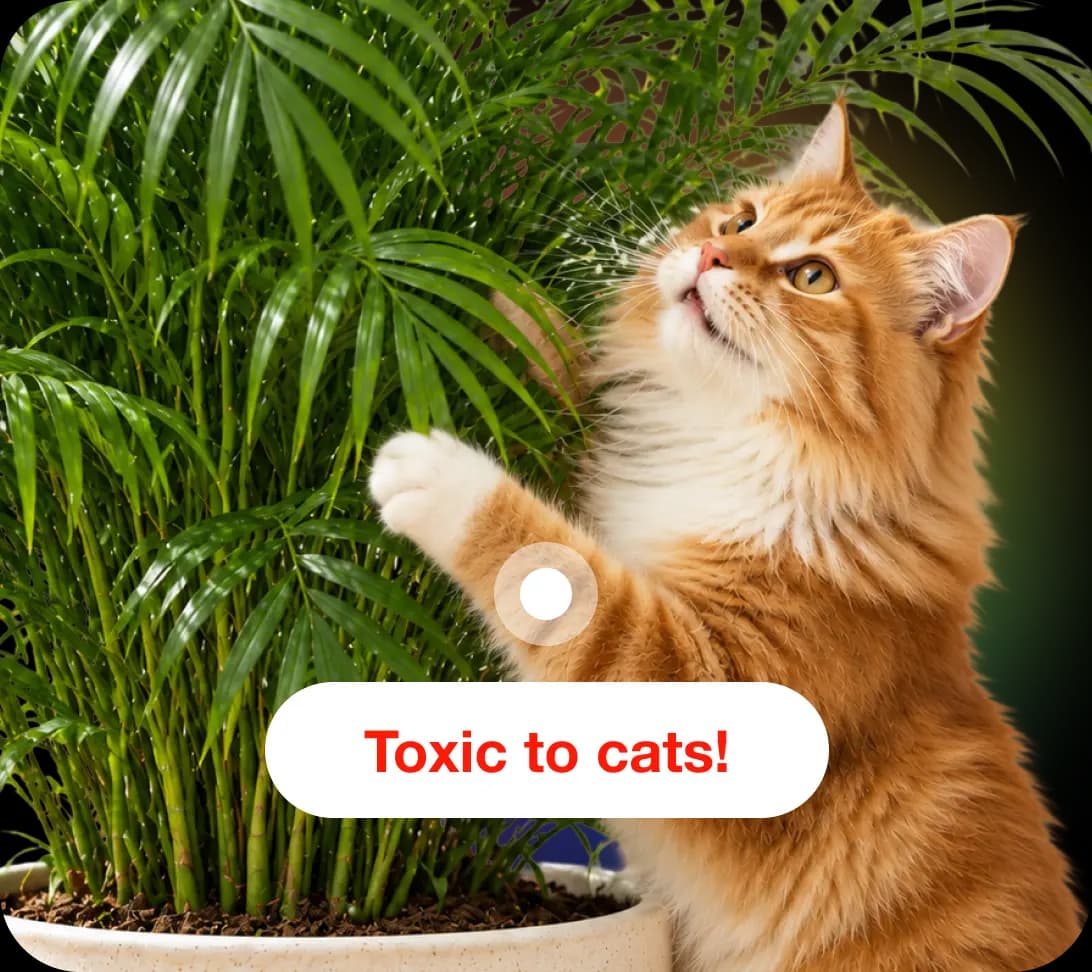
An orange cat reaching for a houseplant

Toxic to cats!

12 Most Wanted Rare Houseplants to Grow at Home

6 min read · 21 Sept 2026

12 Most Wanted Rare Houseplants to Grow at Home

Rare houseplants can turn an ordinary corner in your apartment into a living botanical collection. This guide covers 12 most admired picks, what makes them special, and how to grow them successfully at home.

Plant Recommendations
12 Most Wanted Rare Houseplants to Grow at Home
Dill Companion Plants – What to Grow Next to Dill

9 min read · 17 Jul 2026

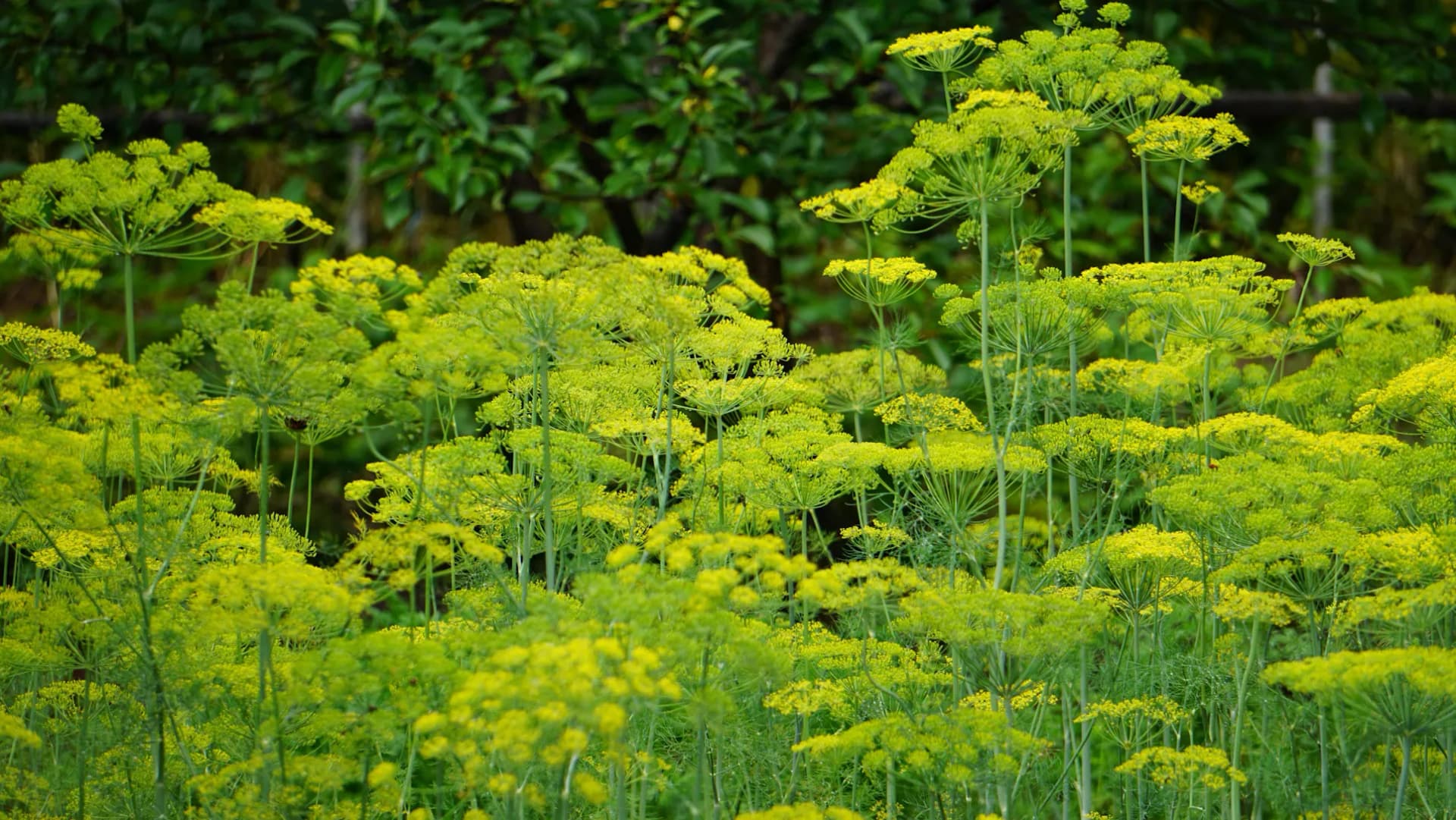
Dill Companion Plants – What to Grow Next to Dill

Dill is an easy-to-grow plant that gets along well with many vegetables. This guide describes 15 plants that can be planted alongside it, a few to avoid, and mistakes that can quietly sabotage the entire process.

Plant Recommendations
Dill Companion Plants – What to Grow Next to Dill
Best Fertilizer for Vegetable Gardens – What to Use for Each Plant

11 min read · 20 Jul 2026

Best Fertilizer for Vegetable Gardens – What to Use for Each Plant

Here, you’ll find the right fertilizer formula for vegetables in your garden. Learn how to adjust feeding correctly throughout the growing cycle, spot nutrient deficiencies by their symptoms, and keep your plants healthy and prolific.

Plant Recommendations
Best Fertilizer for Vegetable Gardens – What to Use for Each Plant