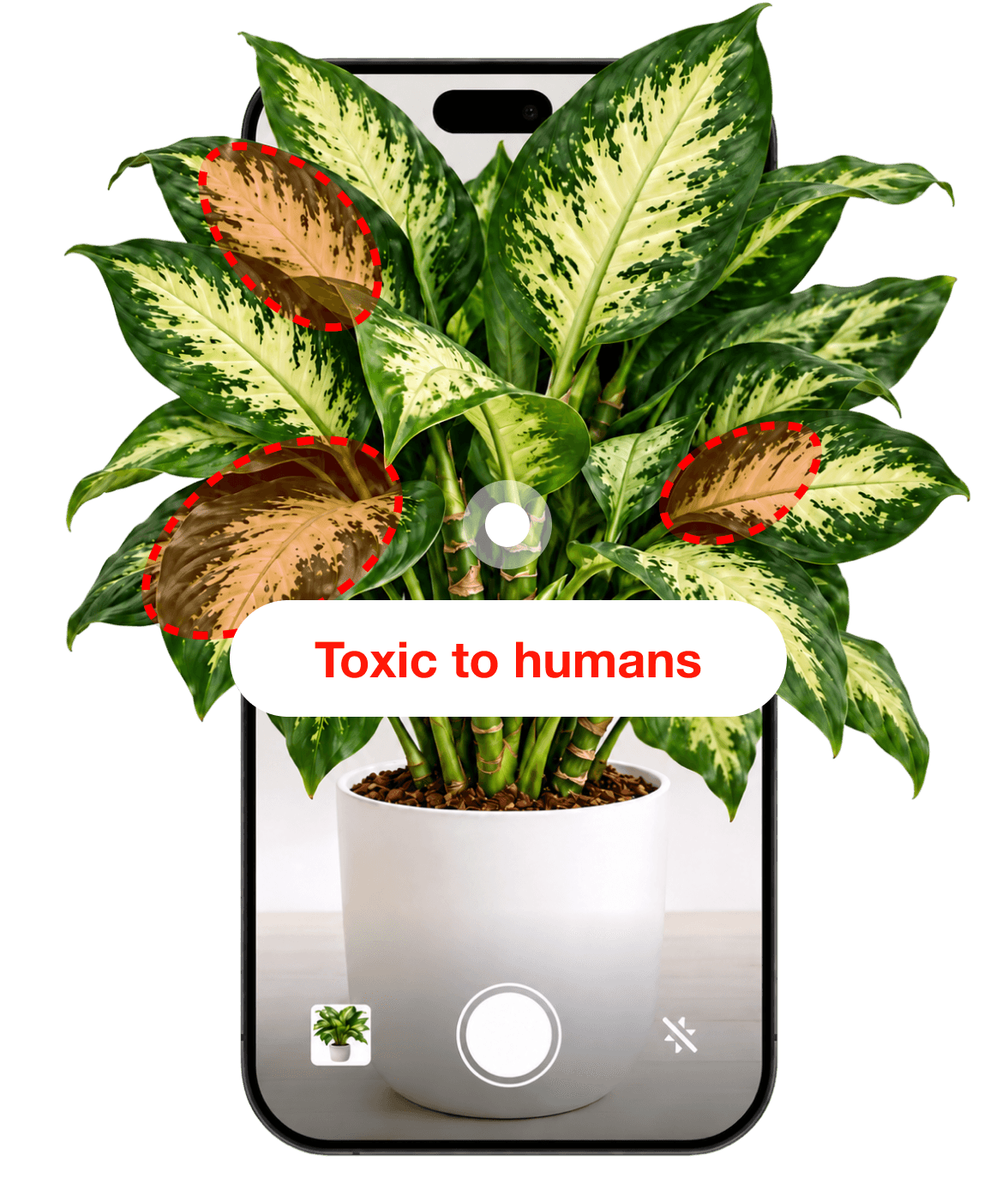
Is Jade Plant Toxic?Crassula ovata

Toxic to Pets
  • HumansNon-toxic
  • CatsMild
  • DogsMild
Toxic compound
not identified
Toxic parts
leaves
Crassula ovata Toxicity

Jade plant (Crassula ovata) is non-toxic to humans but toxic to cats and dogs. Eating its fleshy leaves is the main concern for pets. The substance responsible for its toxicity has not been identified.

GroupToxicityShort answer
Humans
Non-toxic
Non-toxic

Accidentally eating a piece of leaf is not expected to cause poisoning, but this does not make the plant edible.

Cats
Toxic
Toxic

Chewing or eating the leaves can cause vomiting, although the effects can vary between exposures.

Dogs
Toxic
Toxic

Eating the leaves can cause lethargy, meaning a dog may become unusually tired or less active.

Horses

Eating the leaves can cause digestive upset; how seriously an individual horse may be affected is uncertain.

After eating jade plant, cats and dogs may show digestive changes alongside changes in behavior or movement. Not every affected animal shows the same signs.

AreaSymptoms
Cats & dogs

Vomiting, unusually low activity, and unsteady or uncoordinated walking.

A jade plant’s fleshy leaves and increasingly heavy branches make secure placement, controlled pruning, and leaf cleanup important around pets.

  1. Choose a Pet-Restricted Location

    Place the jade plant in a bright room pets cannot enter. Avoid accessible windowsills or shelves that cats can reach from nearby furniture.

  2. Stabilize Top-Heavy Plants

    Use a sturdy, broad-based pot for mature jade plants. Their heavy, branching growth can make lightweight containers unstable, scattering leaves if tipped.

  3. Contain Leaves During Pruning

    Prune over a tray to catch fleshy leaves and leafy cuttings. Move collected material directly into a closed container pets cannot access.

  4. Check for Fallen Leaves

    Inspect the pot, shelf, and floor after moving or handling the plant. Detached jade leaves can fall into places accessible to pets.

Get Your Plant Identified and Risks Explained

Search by photo in Botan App to identify plants and check available toxicity information for humans and pets.

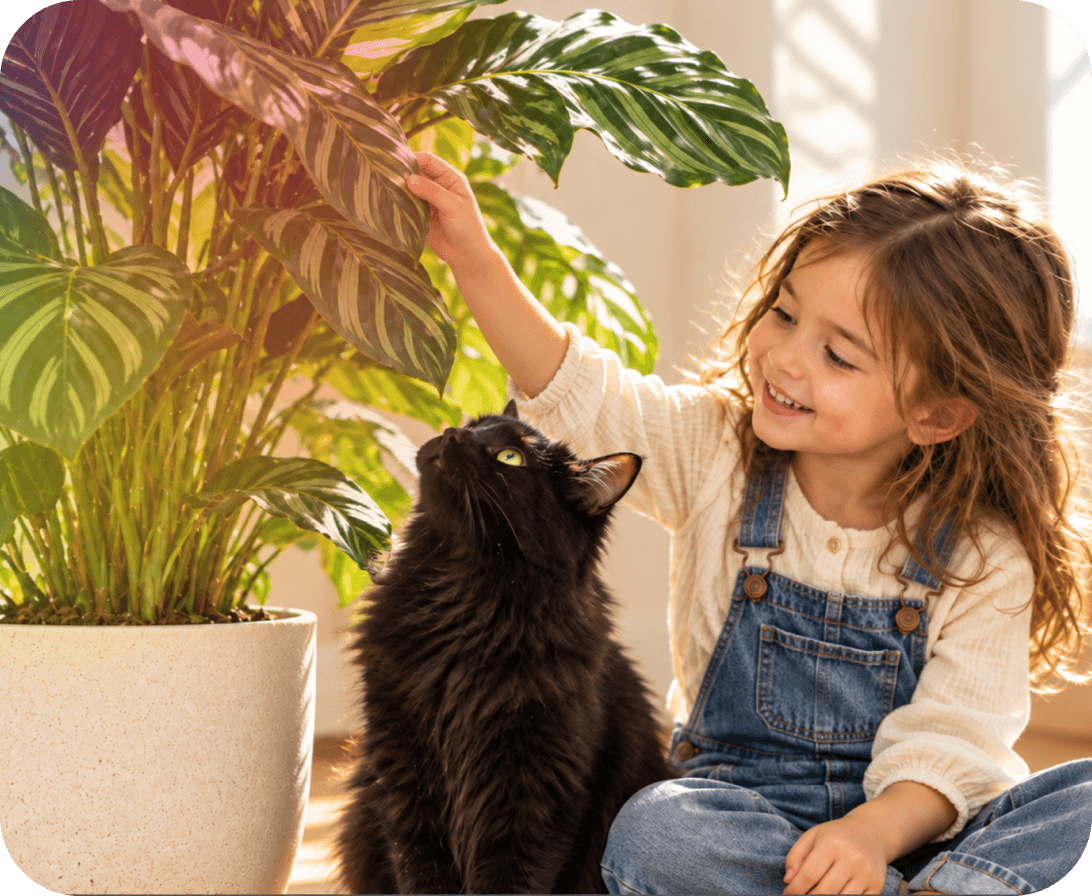
A child and a cat next to a houseplant

FAQ

All cultivars should be treated as toxic to cats and dogs. Forms such as 'Gollum' and 'Hobbit' belong to the same species; their different leaf shapes do not make them non-toxic alternatives.

More Plant Toxicity Guides

Get Photo ID for Unlabeled Houseplants

With Botan App, a photo can help identify unfamiliar plants.

Botan app checking whether a plant is toxic
12 Most Wanted Rare Houseplants to Grow at Home

6 min read · 21 Sept 2026

12 Most Wanted Rare Houseplants to Grow at Home

Rare houseplants can turn an ordinary corner in your apartment into a living botanical collection. This guide covers 12 most admired picks, what makes them special, and how to grow them successfully at home.

Plant Recommendations
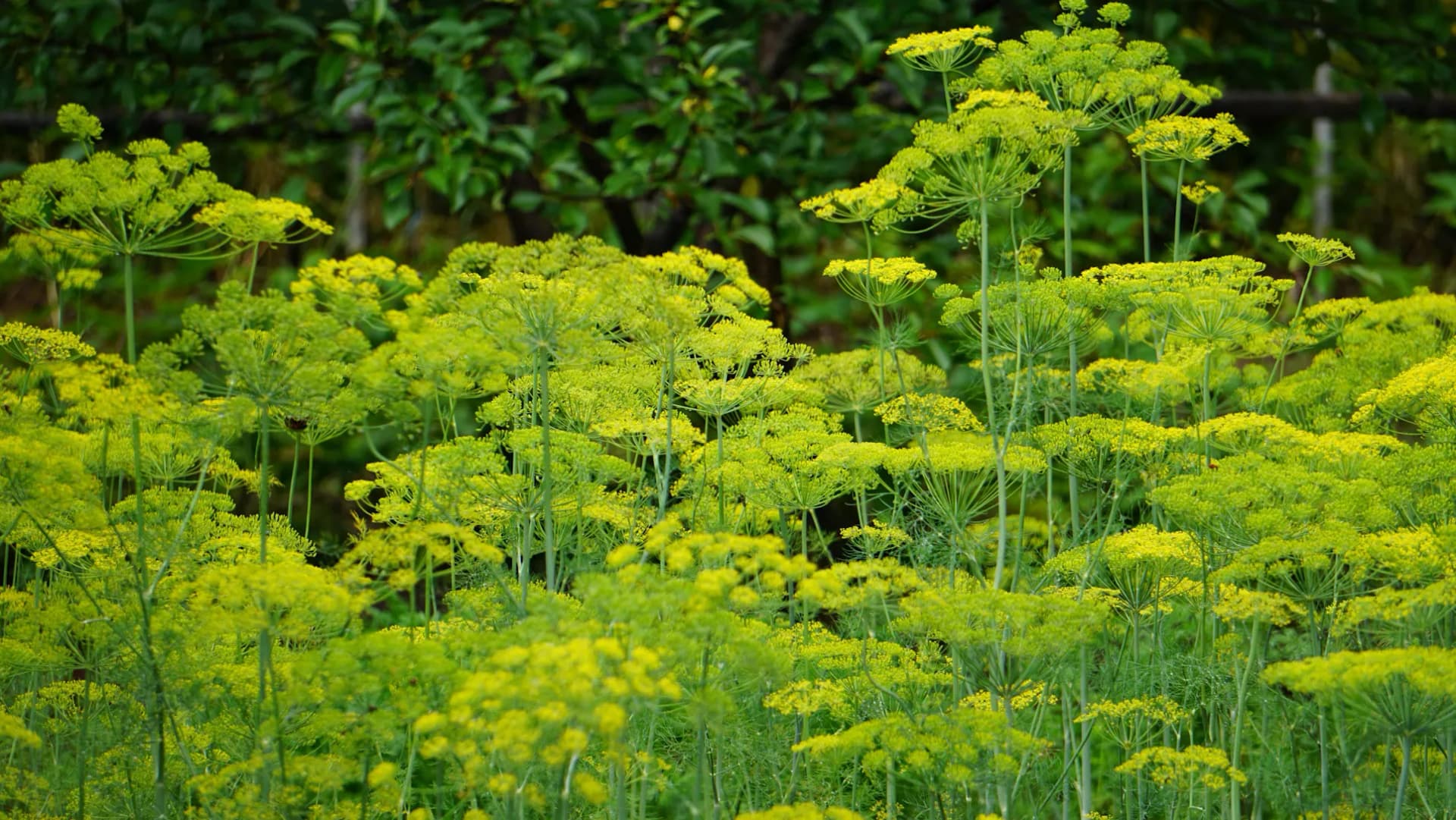
12 Most Wanted Rare Houseplants to Grow at Home
Dill Companion Plants – What to Grow Next to Dill

9 min read · 17 Jul 2026

Dill Companion Plants – What to Grow Next to Dill

Dill is an easy-to-grow plant that gets along well with many vegetables. This guide describes 15 plants that can be planted alongside it, a few to avoid, and mistakes that can quietly sabotage the entire process.

Plant Recommendations
Dill Companion Plants – What to Grow Next to Dill
Best Fertilizer for Vegetable Gardens – What to Use for Each Plant

11 min read · 20 Jul 2026

Best Fertilizer for Vegetable Gardens – What to Use for Each Plant

Here, you’ll find the right fertilizer formula for vegetables in your garden. Learn how to adjust feeding correctly throughout the growing cycle, spot nutrient deficiencies by their symptoms, and keep your plants healthy and prolific.

Plant Recommendations
Best Fertilizer for Vegetable Gardens – What to Use for Each Plant