


Is Arborvitae Toxic to Cats?Thuja occidentalis

Toxicity level

Toxic to Cats
Toxic compound
thujone
Toxic parts
all parts

All parts of arborvitae are toxic to cats, although the severity of poisoning is uncertain. Cats may encounter its foliage in garden hedges or pruning clippings; contact a veterinarian promptly if any part is chewed or swallowed.

The toxic compound in arborvitae is thujone, a component of its essential oil. All parts of the plant are toxic to cats. Thujone interferes with GABA, a chemical messenger that normally limits nerve activity in the brain. This interference can disrupt normal nervous system function. Contact with the plant may also irritate the skin, a local tissue effect distinct from thujone’s action on nerve signaling.

Toxic componentWhere foundHow it acts
Thujone
Found in: All parts
All partsInterferes with inhibitory nerve signaling, disrupting normal nervous system activity.

Arborvitae is toxic in all its parts, including its scale-like leaves. Contact a veterinarian promptly if the cat swallowed plant material or develops signs after contact, noting whether it chewed a branch or loose hedge clippings.

  1. Bring the cat inside

    Bring the cat indoors, away from the hedge and fallen clippings. Do not make the cat vomit unless a veterinarian directs it.

  2. Wipe exposed fur

    Use a cloth dampened with plain water to gently wipe plant residue from the coat and paws before grooming. Contact with the foliage may irritate skin.

  3. Check the chewing site

    Look for chewed branch tips and disturbed hedge clippings to estimate what was swallowed. Photograph the damaged area and keep other pets away from loose material.

A cat exploring beside an arborvitae hedge may brush against low foliage or chew reachable sprays, especially where a cat run borders the planting.

  • Separate runs from hedges

    Position enclosed cat runs far enough from the hedge that foliage cannot protrude through the mesh. Allow space for new growth.

  • Collect fallen plant material

    Remove fallen foliage, cones, and twigs from the run and nearby paths. All parts are toxic, including material beneath the hedge.

  • Exclude cut greenery indoors

    Leave hedge cuttings out of indoor wreaths and seasonal arrangements, where a cat could reach the foliage or scattered fragments.

  • Contain pruning debris

    Keep the cat away during hedge trimming. Collect clippings directly onto a tarp and transfer them to a closed garden waste container.

Shop with Cats in Mind

Before buying, Botan App instantly reveals plant identity and cat toxicity from one photo.

Available on iOS and Android

FAQ

No. Its essential oil, sometimes sold as cedarleaf oil, is concentrated and should not be applied to cats. Products labeled “cedar oil” can come from different plants, so that name alone does not identify the contents.

More Plant Toxicity Guides for Cats

Check the Plants You Already Have

For balcony plants, Botan App provides photo identification and explains their effects on cats.

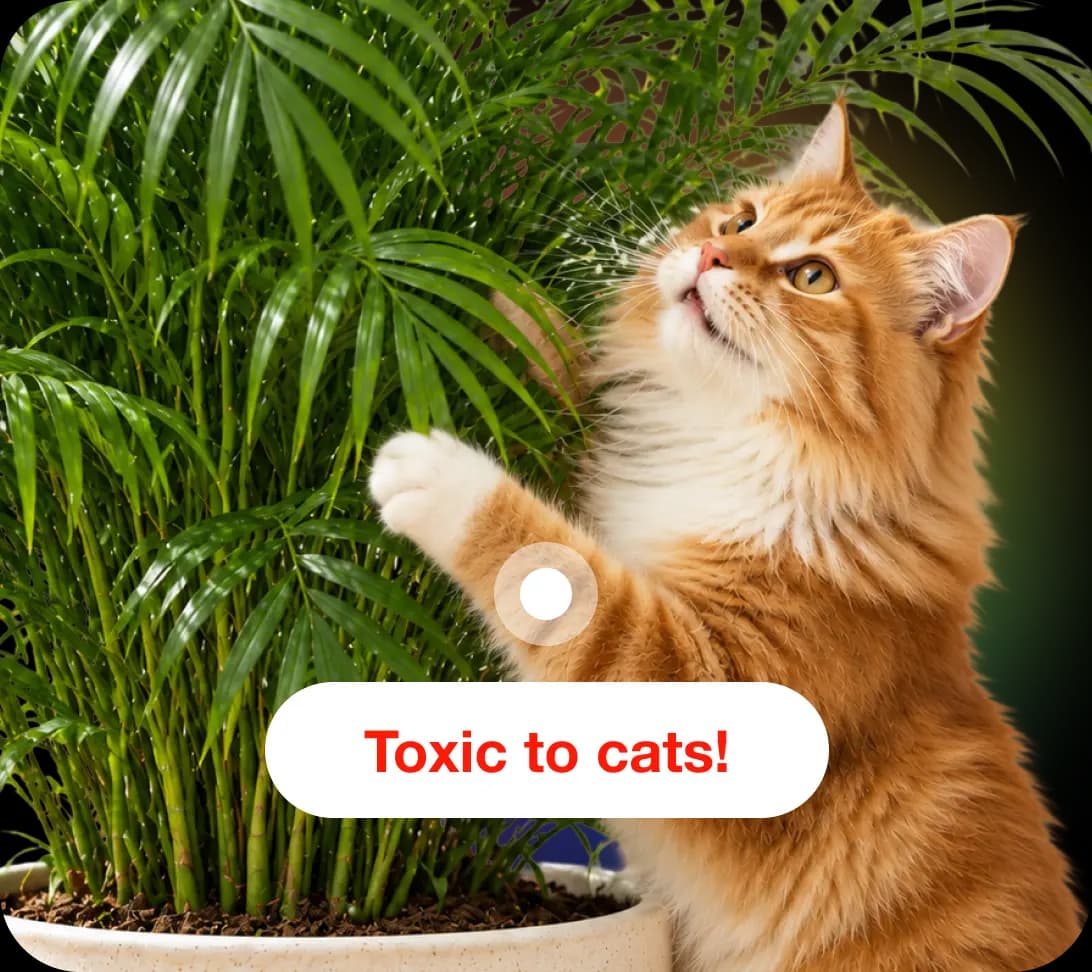
An orange cat reaching for a houseplant

Toxic to cats!

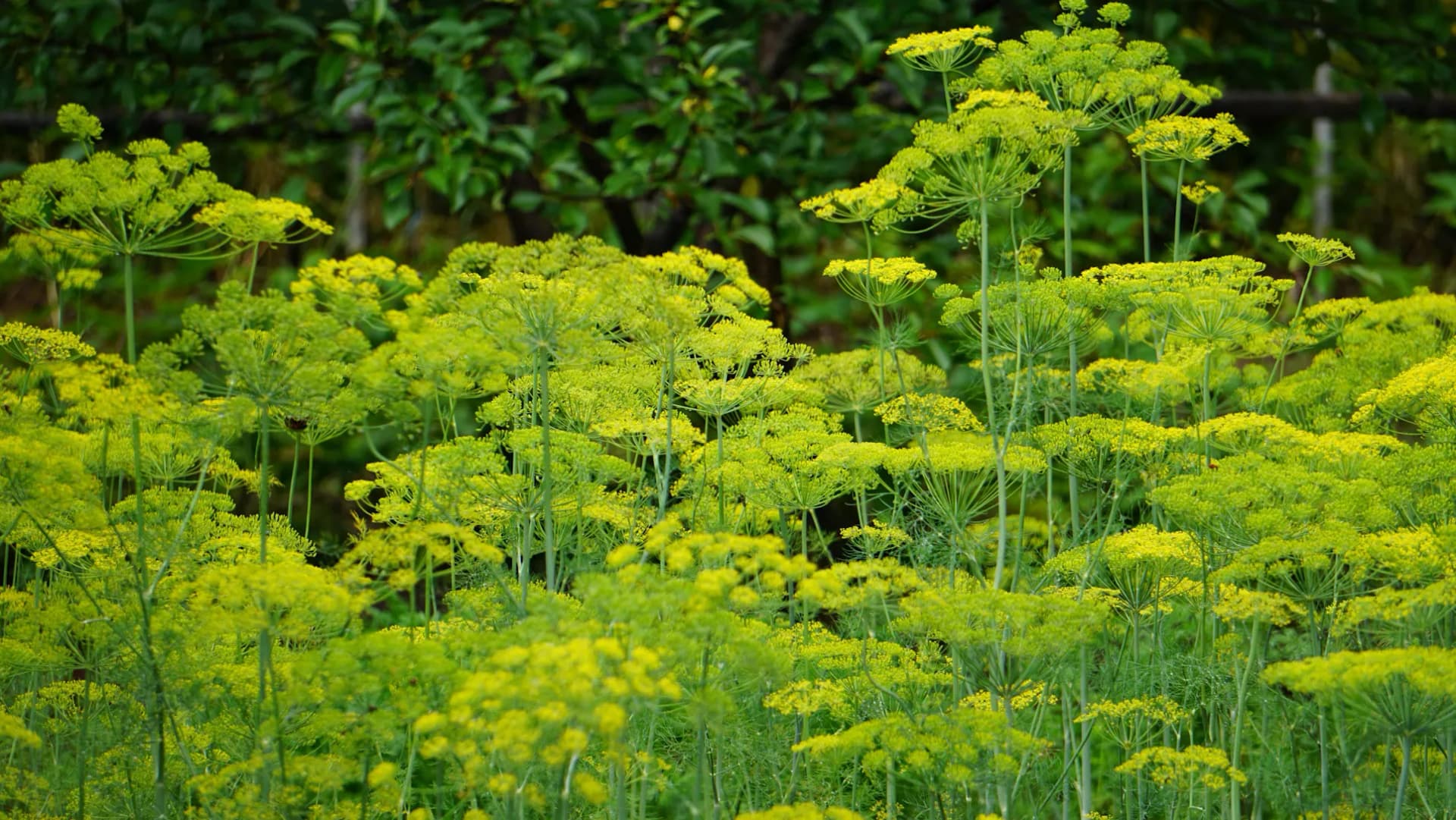
Dill Companion Plants – What to Grow Next to Dill

9 min read · 17 Jul 2026

Dill Companion Plants – What to Grow Next to Dill

Dill is an easy-to-grow plant that gets along well with many vegetables. This guide describes 15 plants that can be planted alongside it, a few to avoid, and mistakes that can quietly sabotage the entire process.

Plant Recommendations
Dill Companion Plants – What to Grow Next to Dill
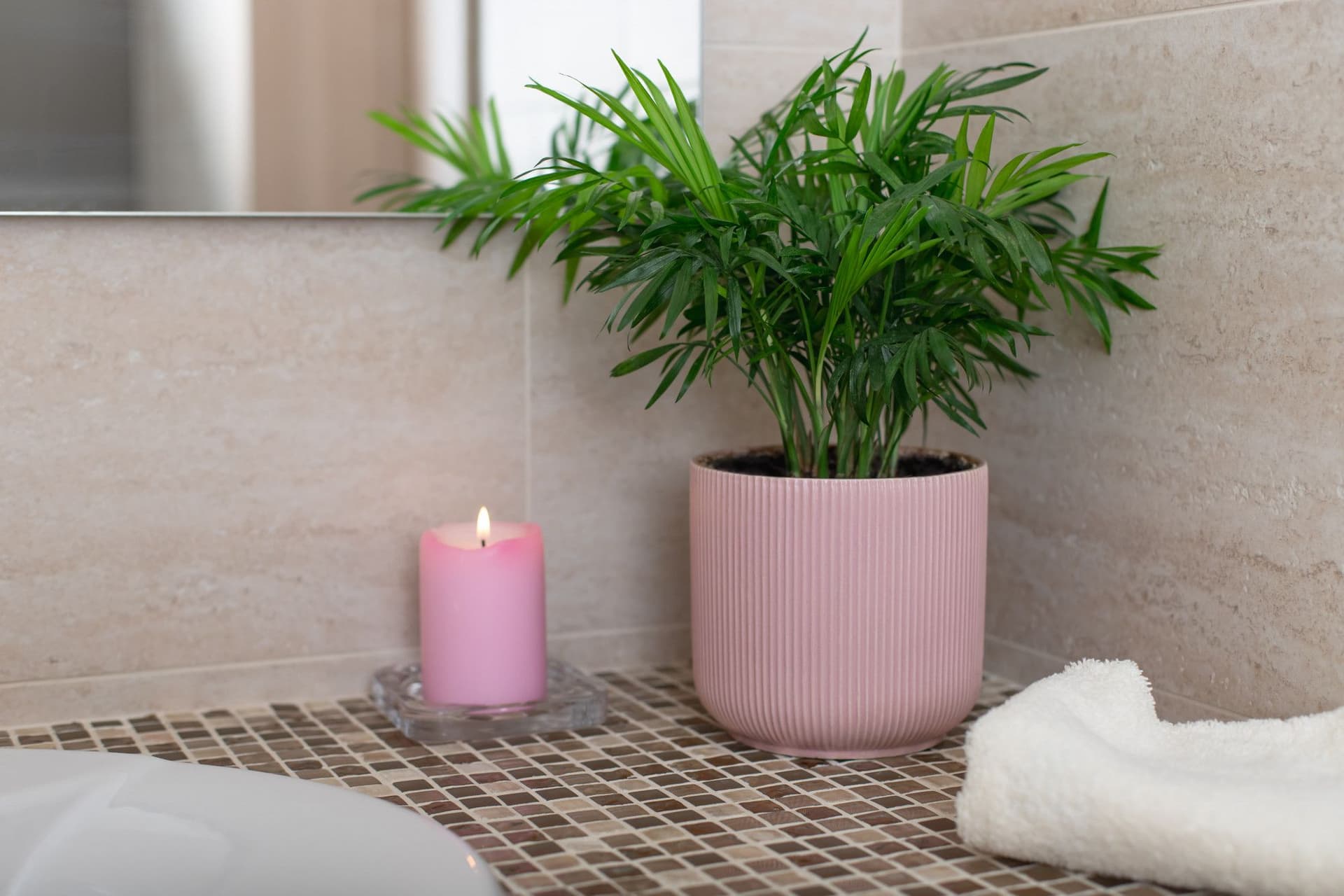
12 Best Plants for Bathroom That Thrive in Humid Conditions

9 min read · 29 Sept 2026

12 Best Plants for Bathroom That Thrive in Humid Conditions

Discover the 12 best plants for bathroom spaces. Each pick comes with its own advantages, plus light, humidity, watering, and placement tips. Take a look and match the plant to your specific bathroom.

Plant Recommendations
12 Best Plants for Bathroom That Thrive in Humid Conditions
Thorny Plants: A Comprehensive Guide

10 min read · 25 Aug 2026

Thorny Plants: A Comprehensive Guide

Many plants defend themselves with sharp thorns. This guide explores over 20 examples among flowers, shrubs, trees, and vines. You'll learn what each plant looks like, why it grows thorns, and how to quickly identify them.

Plant Recommendations
Thorny Plants: A Comprehensive Guide