

Is Evergreen Spindle Toxic to Cats?Euonymus japonicus

Toxicity level

Toxic to Cats
Toxic compound
glycosides
Toxic parts
all parts

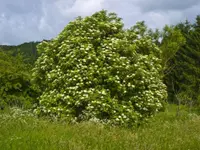
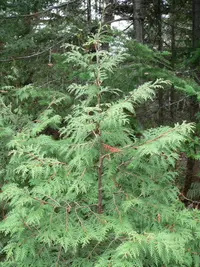
Cats can develop severe poisoning after chewing or eating evergreen spindle, a toxic shrub often grown as a garden hedge. All parts of it are toxic, so contact a veterinarian immediately if a cat may have eaten any.

Glycosides found in all parts of Euonymus japonicus are responsible for its toxicity to cats. These compounds can irritate the tissues lining the stomach and intestines. They can also affect the heart’s electrical activity, which coordinates its contractions. Toxic effects therefore involve both the digestive system and the heart, rather than being limited to stomach irritation.

Toxic componentWhere foundHow it acts
Glycosides
Found in: All parts
All partsIrritate digestive tissues and interfere with the heart’s electrical activity.

Every part of an evergreen spindle can cause serious poisoning in cats. Contact a veterinarian right away if chewing or swallowing is suspected, and report which parts the cat may have eaten.

  1. Bring the cat inside

    Bring the cat indoors, away from the shrub and fallen fruit. Do not make the cat vomit unless a veterinarian directs it.

  2. Remove loose plant pieces

    If the cat allows it, gently remove loose, visible leaf or fruit pieces from the mouth. Do not force the jaws open.

  3. Check the shrub

    Look for chewed stems, damaged leathery leaves, and missing fruit in the garden border. Note the possible amount eaten and save a sample for identification.

The main signs involve digestive upset, reduced activity, and changes in heart function. A cat may look uncomfortable or less active than usual, while heart rhythm changes can be harder to recognize.

  • Vomiting

    The cat may retch and bring up food, fluid, or foam, rather than simply spit out chewed plant material.

  • Diarrhea

    Stools may become loose or watery instead of their usual formed shape, with more frequent litter box visits.

  • Belly pain

    The cat may sit hunched, guard its belly, or resist being picked up when it normally tolerates handling.

  • Weakness

    The cat may struggle to stand, walk, or jump onto familiar surfaces, rather than simply choose to rest.

  • Heart rhythm problems

    An uneven heartbeat may not be noticeable from the cat's behavior or appearance; veterinary assessment is needed to identify it.

Garden borders and hedges put evergreen spindle within a roaming cat’s reach. Its upright branches include low foliage that cats can chew, and all parts are toxic.

  • Separate outdoor spaces

    Keep the shrub outside any enclosed cat run or catio, with branches far enough from the mesh that a cat cannot reach them.

  • Remove fallen material

    Collect fallen leaves and other plant debris from paths, patios, and nearby cat enclosures. All parts remain a concern when separated from the shrub.

  • Contain pruning waste

    When trimming the upright shrub or shaping a hedge, place clippings directly into a closed garden waste container rather than leaving piles accessible.

Before a Plant Comes Home

One photo lets Botan App name a plant and flag cat toxicity instantly.

Available on iOS and Android

FAQ

Yes, if the cat chews or eats it; simply being near the shrub is not a poisoning exposure. Its use in boundary hedges can put foliage within reach of cats moving between neighboring yards.

Everything About Evergreen spindle

More Plant Toxicity Guides for Cats

What’s Growing in Your Cat’s Space?

Check yard plants with Botan App: photo identification reveals how each one affects cats.

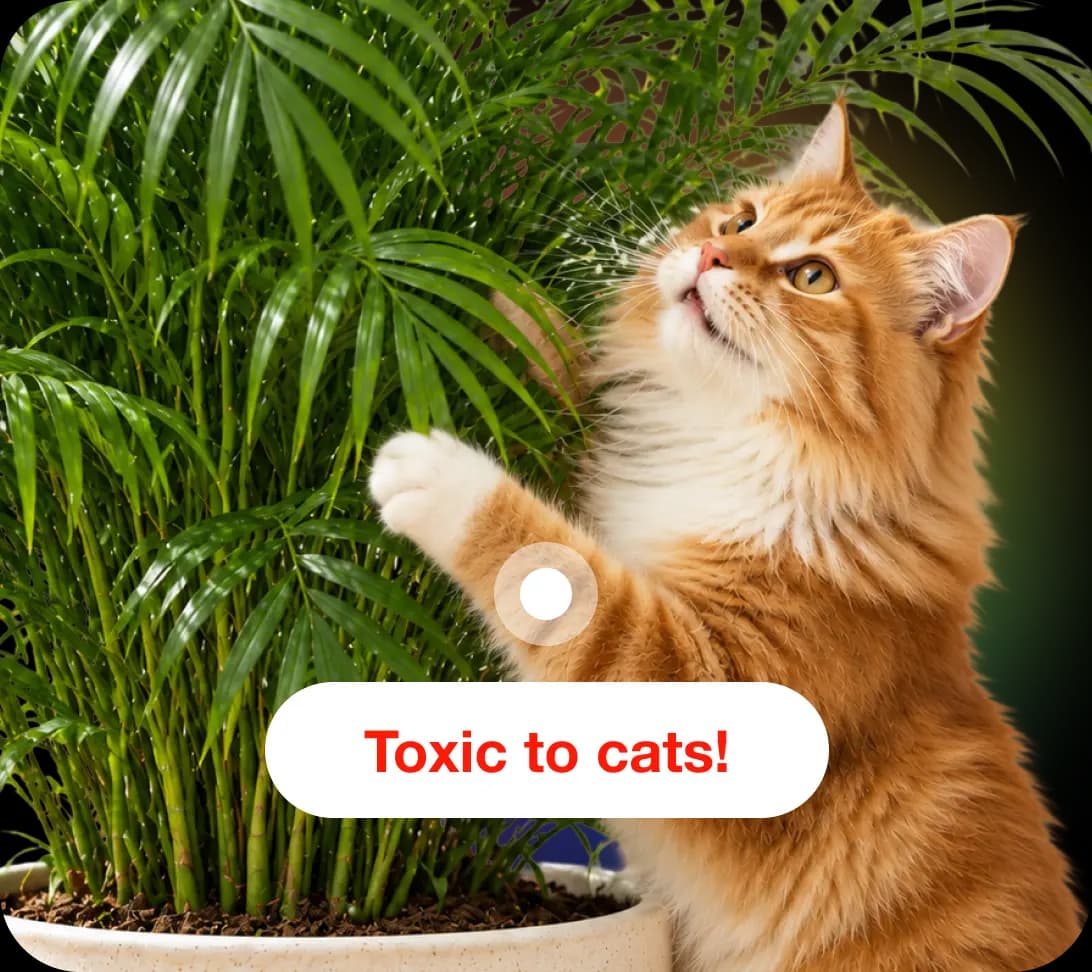
An orange cat reaching for a houseplant

Toxic to cats!

Rice Water for Plants – Which Plants Love It and How to Make It

8 min read · 14 Jul 2026

Rice Water for Plants – Which Plants Love It and How to Make It

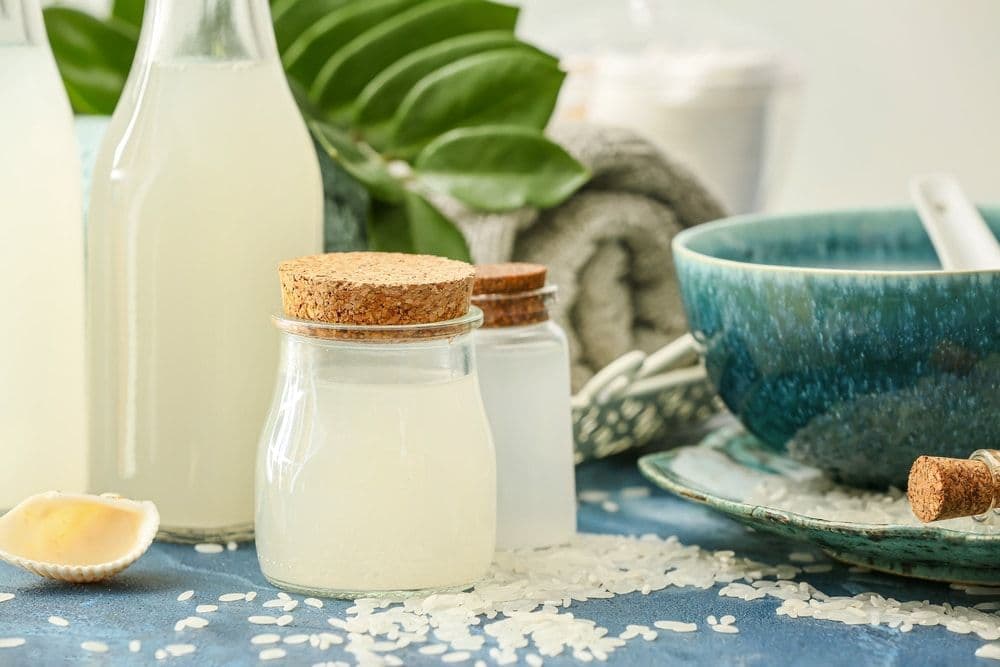
Rice water can be an ideal DIY solution for orchids, roses, or fruiting plants. It supports growth, leaf count, and height. We’ll share how to make and apply it correctly for your plant.

Plant Care
Rice Water for Plants – Which Plants Love It and How to Make It
Top 15 Plants That Don’t Need Sunlight

8 min read · 17 Sept 2026

Top 15 Plants That Don’t Need Sunlight

Some plants thrive in dim rooms, shaded corners, and places with indirect light. In this guide, you’ll explore the top 15 species best suited to low-light conditions and how to care for them.

Plant Recommendations
Top 15 Plants That Don’t Need Sunlight
Can Plants Grow With Artificial Light?

6 min read · 15 Sept 2026

Can Plants Grow With Artificial Light?

Plants can grow under artificial light when the setup provides a suitable spectrum, enough intensity, and sufficient daily exposure. This guide explains how artificial lighting compares with sunlight, which options work indoors, and how to match a setup to houseplants.

Plant Care
Can Plants Grow With Artificial Light?