






Is King Begonia Toxic to Cats?Begonia rex

Toxicity level

Toxic to Cats
Toxic compound
soluble calcium oxalates
Toxic parts
roots & tubers

A king begonia poses a mild toxicity risk to cats that eat its roots or tubers. Cats may uncover these parts while digging in the pot, so contact a veterinarian for advice if a cat chews or swallows them.

The roots and tubers of Begonia rex contain soluble calcium oxalates, which can irritate a cat’s digestive tract when chewed or swallowed. These compounds dissolve in body fluids and can bind to calcium.

After absorption, oxalates can combine with calcium to form crystals in the kidneys. These deposits can damage kidney tissue and interfere with normal kidney function.

Toxic componentWhere foundHow it acts
Soluble calcium oxalates
Found in: Roots and tubers
Roots and tubersIrritate digestive tissues and bind calcium, potentially forming kidney-damaging crystals.

Roots and tubers are the main concern when a cat eats part of a king begonia. Toxicity is generally mild; contact a veterinarian if signs persist or worsen.

  1. Remove loose pieces

    Remove loose, visible root or tuber pieces without forcing the mouth open. Do not make the cat vomit unless a veterinarian directs it.

  2. Check the pot

    Look for disturbed soil, exposed roots, and chewed or missing tuber pieces. Note whether the cat dug into the pot or only touched the foliage.

  3. Move the plant

    Place the entire pot somewhere inaccessible while clearing the area. Collect exposed roots, tuber fragments, and spilled soil so the cat cannot chew them.

Signs of exposure to the plant mainly involve the mouth and digestive system. Observable changes may interrupt a cat's usual eating, grooming, or resting habits.

  • Vomiting

    The cat may heave with visible belly contractions, then bring up food, foam, or liquid rather than just burping.

  • Drooling

    Saliva may drip from the mouth, wet the chin, or leave damp spots where the cat rests, beyond normal grooming moisture.

Onset and Progression of Signs

  1. 0–4 hours

    Drooling and vomiting may begin within hours of chewing roots.

  2. 4–24 hours

    Vomiting and drooling may continue, with severity varying by exposure.

  3. 1–2 days

    In mild cases, vomiting and drooling generally ease during recovery.

Loose potting mix around a king begonia can attract a digging cat, especially when the pot sits on a windowsill, low stand, or accessible table.

  • Choose a cat-free room

    Keep the upright potted plant in a room with a closed door. Nearby furniture can make even a high shelf accessible.

  • Cover the potting mix

    Use a securely fitted, rigid mesh pot cover to block digging toward toxic roots. Leave room around the stems and allow water to drain.

  • Contain repotting debris

    Repot behind a closed door, collecting exposed roots and old potting mix directly into a bag. Clean the work area before allowing the cat back.

Make an Informed Plant Purchase

With Botan App, a photo instantly reveals plant identity and potential cat toxicity.

Available on iOS and Android

FAQ

Yes, a bite of its underground parts can make a cat sick. A bite of root tissue is more concerning than a small leaf nibble, so bite size alone does not reliably indicate the risk.

More Plant Toxicity Guides for Cats

Know Your Plants Beyond Their Names

For inherited plants, Botan App provides photo identification and explains their effects on cats.

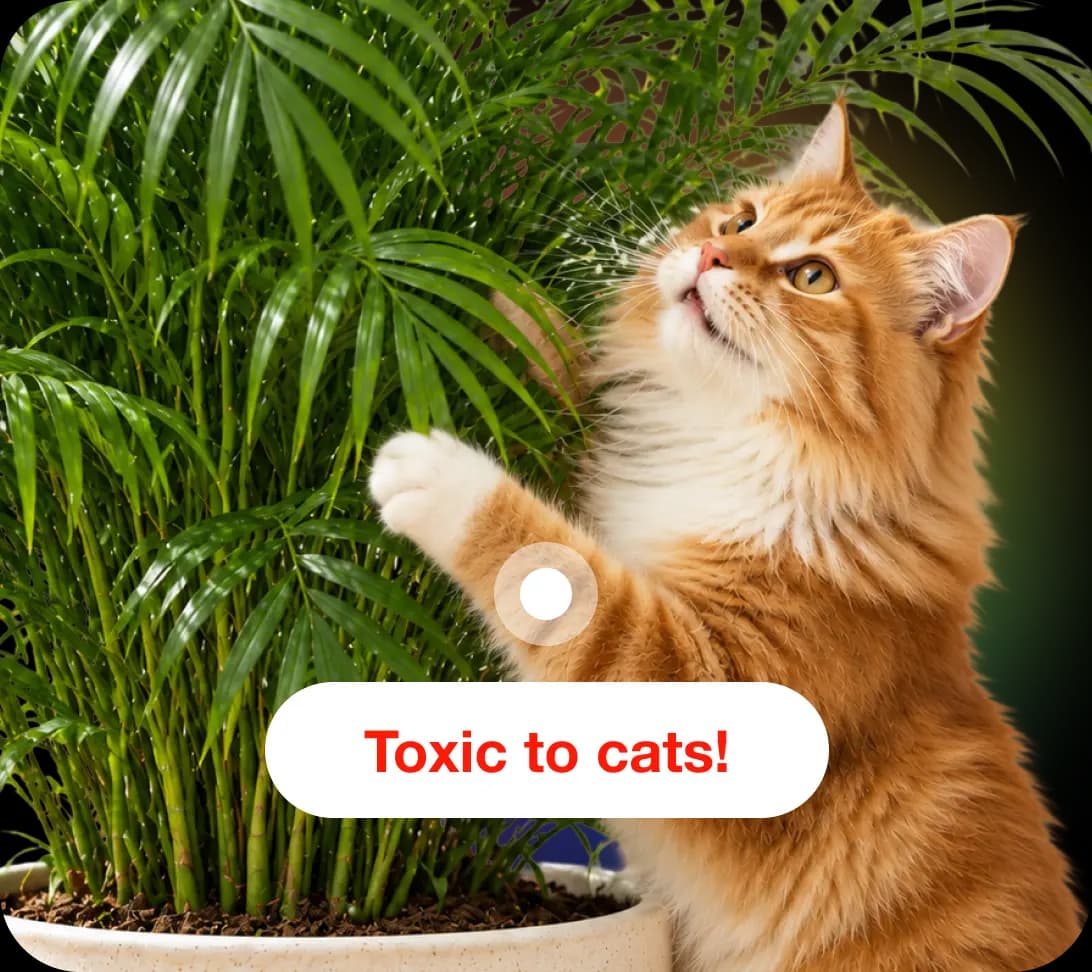
An orange cat reaching for a houseplant

Toxic to cats!

20 Most Popular Fruits Around the World

7 min read · 22 Jul 2026

20 Most Popular Fruits Around the World

Curious which fruits the world actually eats the most? Here's the top-20 by production volume, an overview of what people choose in each region, and a few figures that defy common assumptions.

Plant Recommendations
20 Most Popular Fruits Around the World
How to Repot a Plant: A Step-by-Step Guide

7 min read · 28 May 2026

How to Repot a Plant: A Step-by-Step Guide

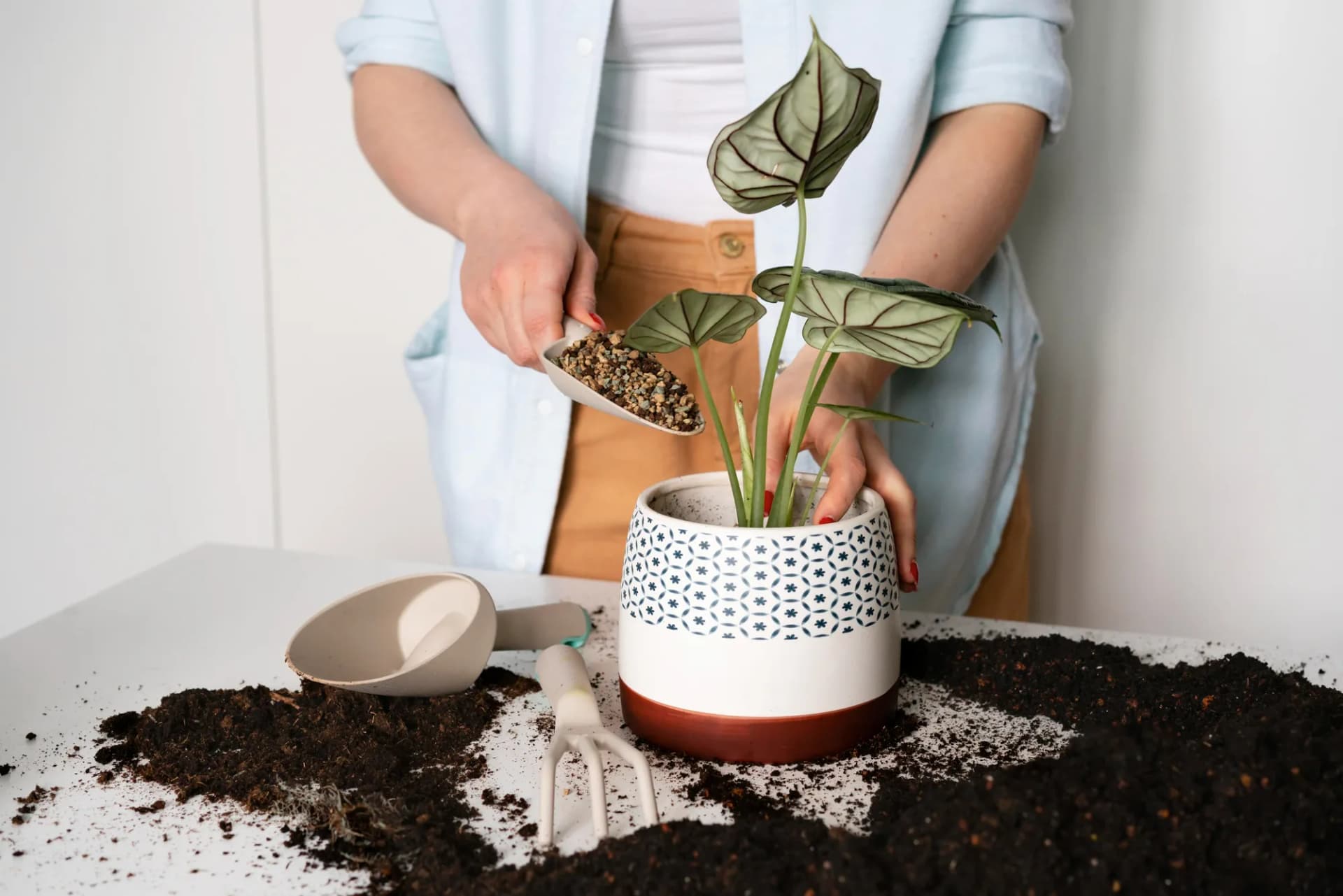
In spring, many plants need repotting—an essential part of care. To avoid stress, consider the plant’s type and size. This article offers a step-by-step guide for repotting indoors or outdoors and shows how to check plant health and get care tips using the Botan App.

Plant Care
How to Repot a Plant: A Step-by-Step Guide
Best Time to Mow Lawn – A Complete Guide

5 min read · 10 Aug 2026

Best Time to Mow Lawn – A Complete Guide

Explore when to mow your lawn for its health and a pleasant green color. Find out the best time for this task during the summer heat, and follow practical tips for correctly cutting the grass, and learn common mistakes to avoid.

Plant Care
Best Time to Mow Lawn – A Complete Guide