

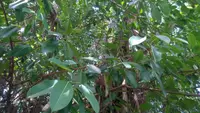

Is Chinese Banyan Toxic to Cats?Ficus microcarpa

Toxicity level

Toxic to Cats
Toxic compound
proteolytic enzyme, psoralen
Toxic parts
sap

Sap from a Chinese banyan is toxic to cats, although reactions are generally mild. Chewing its leaves or stems can release irritating sap, so keep it out of reach and contact a veterinarian if a cat chews it or gets sap on its skin.

The sap of Ficus microcarpa contains a proteolytic enzyme and psoralen, compounds that can irritate a cat's tissues. Proteolytic enzymes break down proteins and can irritate the protective surfaces lining the mouth and digestive tract when sap is swallowed.

Psoralen is a light-reactive compound. When activated by ultraviolet light, it can damage skin cells, contributing to the sap's potential to irritate exposed skin.

Toxic componentWhere foundHow it acts
Proteolytic enzyme
Found in: Sap
SapBreaks down proteins and irritates tissues exposed to the sap.
Psoralen
Found in: Sap
SapReacts with ultraviolet light and can damage exposed skin cells.

Sap exposed by broken leaves or stems makes the Chinese banyan mildly toxic to cats. Contact a veterinarian if signs persist or worsen after chewing the plant or getting sap on the skin.

  1. Remove loose pieces

    Remove loose, visible leaf pieces from the mouth only if safe; chewing exposes irritating sap. Do not make the cat vomit unless a veterinarian directs it.

  2. Wipe away sap

    Use a cloth dampened with plain water to gently wipe sap from the coat and paws, limiting what the cat could swallow while grooming.

  3. Move the plant

    Move the upright plant out of the room, and collect fallen leaves or broken twigs that could expose the cat to more sap.

Signs of exposure to the plant’s sap may involve the mouth, stomach, or skin. Changes in normal activity and grooming can also be noticeable, especially when compared with the cat’s usual habits.

  • Drooling

    Saliva may drip from the mouth or leave the chin and chest wetter than usual.

  • Vomiting

    The cat may retch and bring up food or fluid, rather than simply cough up a hairball.

  • Lethargy

    The cat may seem unusually quiet, rest more than normal, or show less interest in play and interaction.

  • Skin irritation

    Skin may look red where sap touched it, with more licking, scratching, or rubbing than usual.

Stages of Sign Development

  1. 0–1 hour

    Sap may cause drooling and irritation around the mouth or skin.

  2. 1–24 hours

    Vomiting may develop, and some cats become less active.

  3. 1–2 days

    Mild signs usually ease, with recovery over a day or two.

Fresh cuts on a Chinese banyan can leave sap within reach of a cat investigating its pot, nearby furniture, or the area used for pruning.

  • Close off pruning areas

    Prune behind a closed door with the cat outside the room. Bag sap-bearing trimmings immediately and place them in a covered trash container.

  • Choose an inaccessible location

    Keep the upright plant in a room the cat cannot enter, especially after pruning. Nearby tables and shelves can provide access to cut branches.

  • Remove sap residue

    Clean sap from pruning tools and work surfaces before allowing the cat back. Store used gloves and cloths out of reach to prevent contact.

Include Cats in Plant Decisions

Use Botan App on gifts: one photo instantly reveals plant identity and cat toxicity.

Available on iOS and Android

FAQ

No. Simply being near an intact plant is not a poisoning exposure. Its toxicity is not an airborne hazard; the concern is direct contact with its sap, including when a cat chews the plant.

More Plant Toxicity Guides for Cats

What About the Rest of Your Plants?

Photograph shelf plants with Botan App to identify them and see their effects on cats.

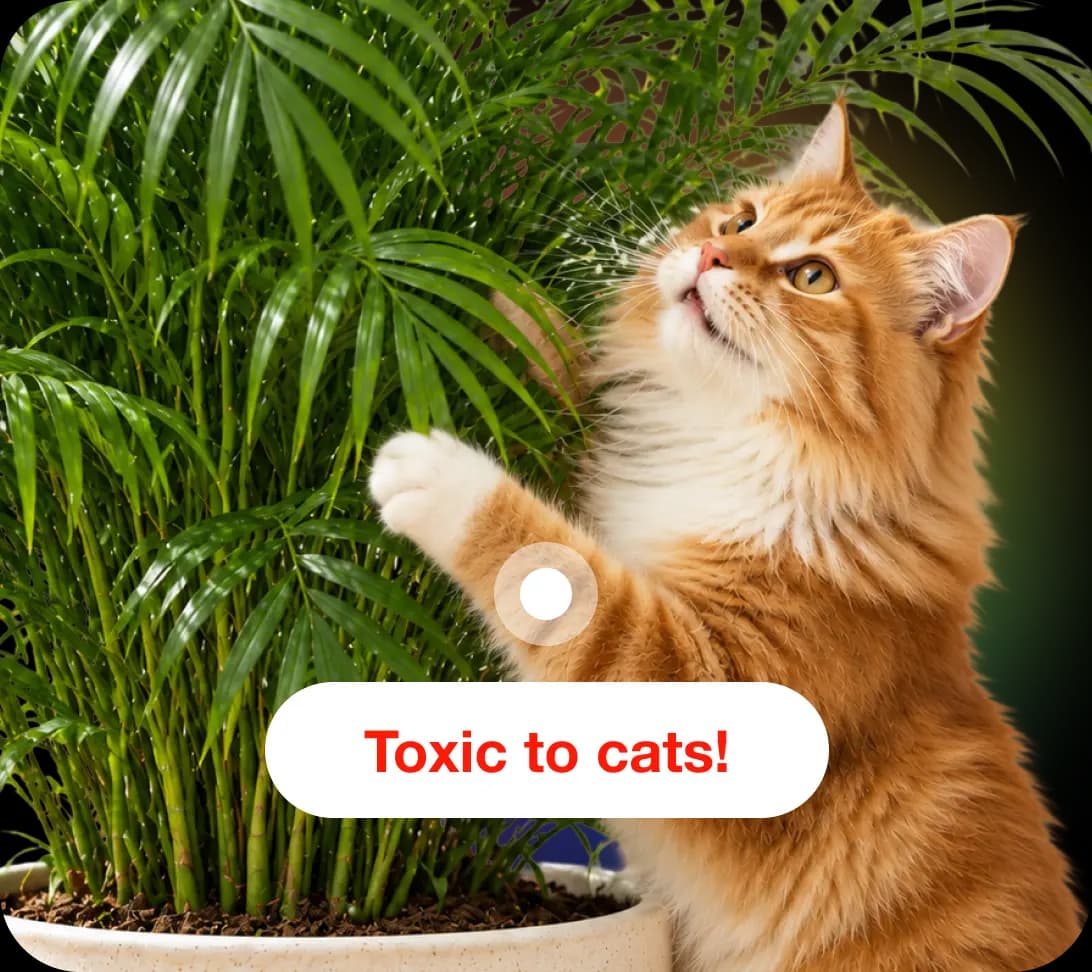
An orange cat reaching for a houseplant

Toxic to cats!

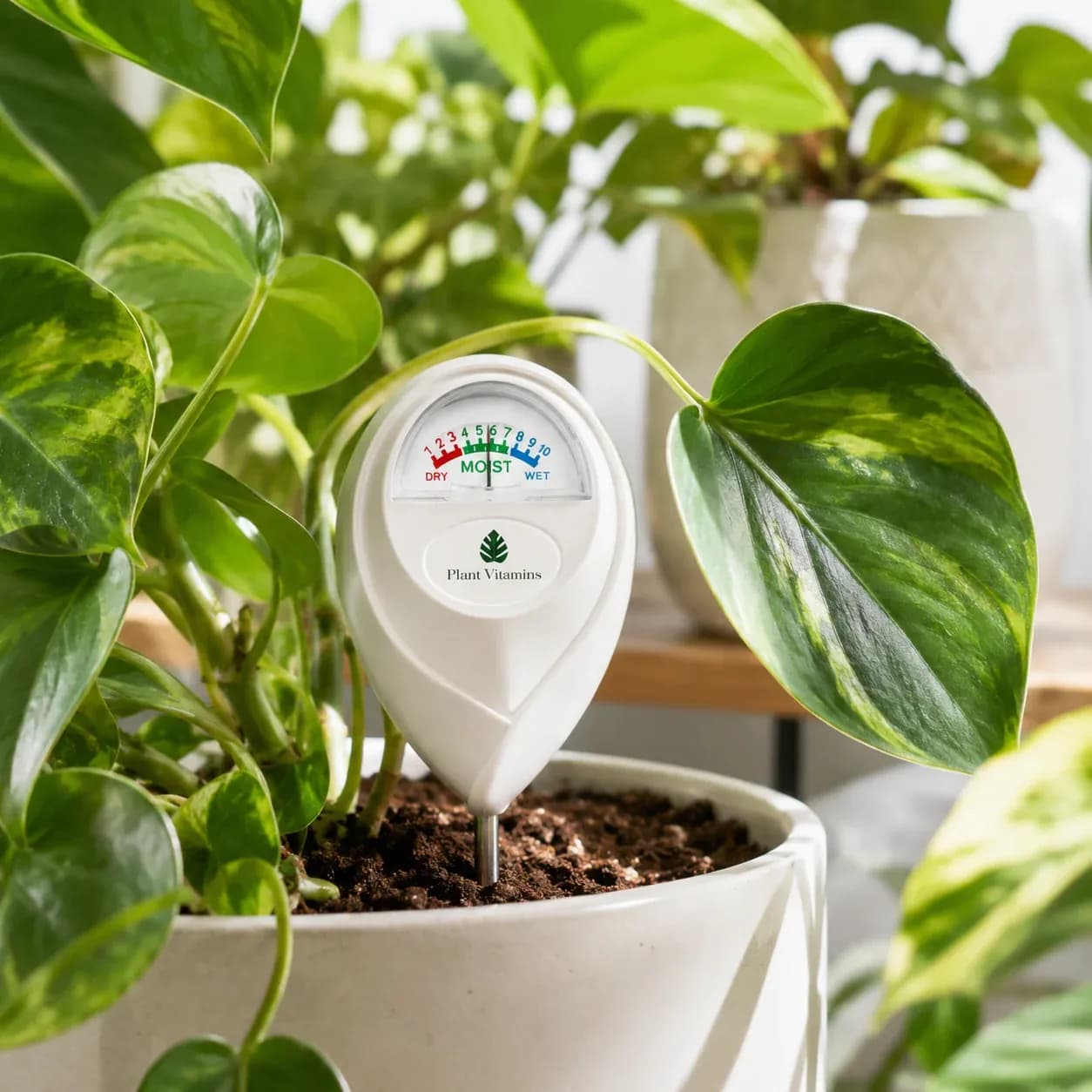
How to Use a Moisture Meter for Plants

5 min read · 4 Sept 2026

How to Use a Moisture Meter for Plants

Watering by feel kills plenty of houseplants. A moisture meter checks the soil for you, and takes the guesswork out of it. This guide will show you how to use it correctly, from the first touch to the final reading.

Beginner Guides
How to Use a Moisture Meter for Plants
Plants That Repel Mosquitoes – 10 Effective Choices

8 min read · 6 Jul 2026

Plants That Repel Mosquitoes – 10 Effective Choices

Plants that repel mosquitoes can help mask human scent naturally and make outdoor spaces more comfortable. Explore the most effective options, their benefits and drawbacks, and choose the right plant for your space.

Plant Recommendations
Plants That Repel Mosquitoes – 10 Effective Choices
Best Fertilizer for Grass in Summer: How to Choose the Right One

6 min read · 18 Aug 2026

Best Fertilizer for Grass in Summer: How to Choose the Right One

The right fertilizer in summer can make a lawn thrive. The wrong one can damage it. Here, you’ll learn the best NPK ratios by grass type, when and how to apply your formula, and how to recognize the signs of over- or under-fertilizing.

Plant Care
Best Fertilizer for Grass in Summer: How to Choose the Right One