




7 min read · 6 Aug 2026
Planting Grass Seed in Summer – What Works and What Fails
Summer seeding succeeds when the grass type suits the season, and the soil stays moist. Find out how to prepare the seedbed and choose a safe window for planting.

Toxicity level
Cats that chew pothos leaves can experience mild toxic effects. Its trailing stems can put leaves within reach even from a shelf, so keep them inaccessible and contact a veterinarian if a cat chews them.
The leaves of Epipremnum aureum 'Neon' contain insoluble calcium oxalates, stored as bundles of tiny, needle-shaped crystals called raphides. Chewing breaks open the cells that hold these crystals, releasing them into the cat's mouth. The crystals physically pierce the delicate lining of the mouth and throat, causing local tissue injury and inflammation.
| Toxic component | Where found | How it acts |
|---|---|---|
| Insoluble calcium oxalates Found in: Leaves | Leaves | Needle-shaped crystals pierce mouth and throat tissues, causing local injury and inflammation. |
The trailing leaves of 'Neon' pothos can irritate a cat’s mouth when chewed. Effects are usually mild, but contact a veterinarian if signs persist or worsen.
Move the plant out of the room and collect fallen leaves. Do not make the cat vomit unless a veterinarian directs it.
Inspect the trailing vines for chewed or missing leaves. Note whether pieces are scattered nearby or appear to have been swallowed.
Check whether other cats could reach the same hanging vines or fallen leaves, and note any evidence that they also chewed them.
Signs of exposure to the plant often center on the mouth and throat. A cat may show unusual mouth movements or changes in its normal eating behavior.
A cat may paw at its mouth, rub its face, or stop chewing as though its mouth hurts.
Saliva may drip from the mouth or wet the chin and chest more than usual.
A cat may bring up food, liquid, or foam, with visible belly contractions rather than simple coughing.
A cat may make repeated swallowing attempts or appear to struggle when trying to swallow food.
Oral irritation and drooling can begin within minutes of chewing.
Drooling may continue, with vomiting or difficulty swallowing in some cats.
Most mild cases improve as mouth irritation and drooling settle.
A hanging basket does not necessarily keep 'Neon' pothos out of reach. Its trailing leaves may tempt cats exploring nearby shelves, furniture, or windowsills.
Keep the plant in a room with a securely closed door. A high shelf alone is unreliable because cats climb and vines grow downward.
Check beneath the trailing stems and nearby furniture for fallen leaves. Put them in a covered trash container before allowing the cat into the room.
Prune long vines with the cat outside the room. Gather leafy cuttings directly into a bag rather than leaving them on counters or floors.
Snap a photo: Botan App instantly names the plant and checks cat toxicity.
Available on iOS and Android
Yes, sap from damaged leaves can irritate skin or paws. Contact is different from simply brushing against intact foliage. A cat may also transfer sap to its mouth while grooming an affected paw or coat.
Room by room, Botan App identifies plants from photos and explains their effects on cats.

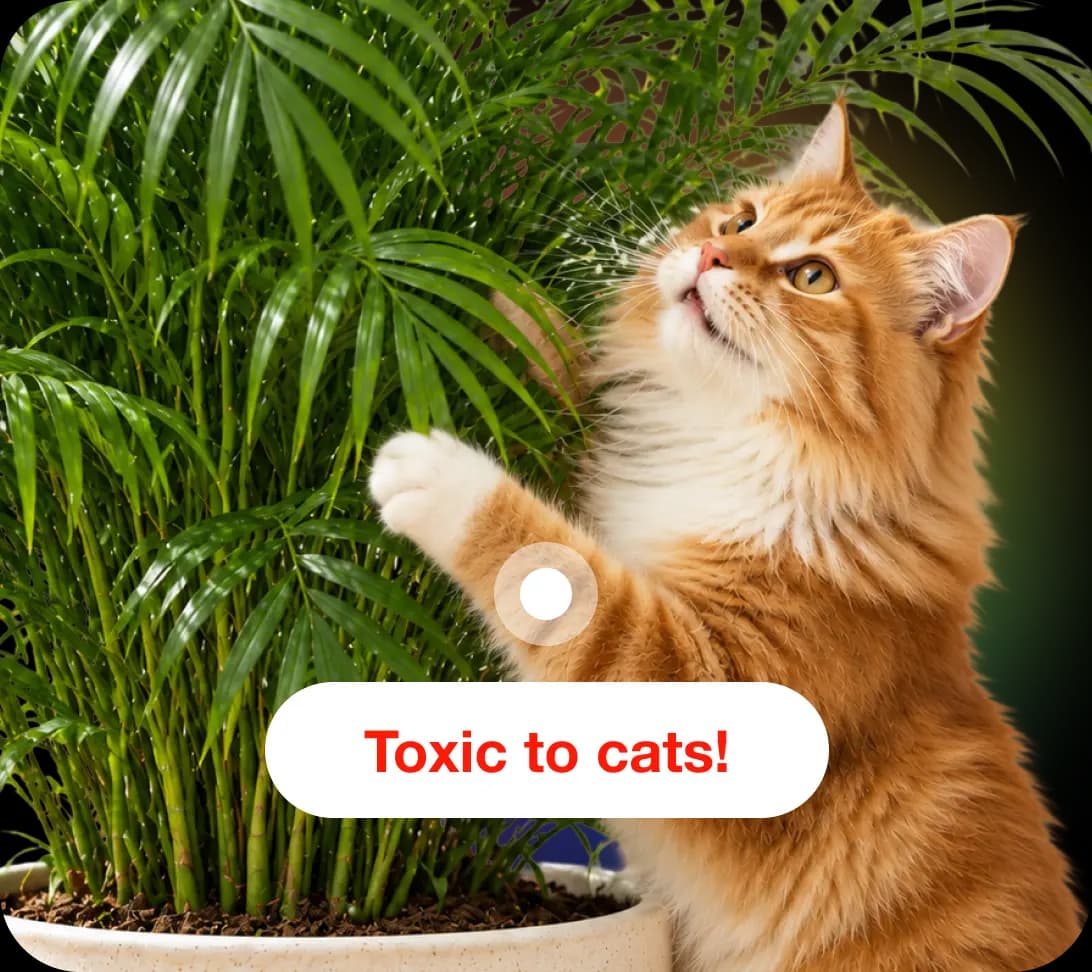
Toxic to cats!

7 min read · 6 Aug 2026
Summer seeding succeeds when the grass type suits the season, and the soil stays moist. Find out how to prepare the seedbed and choose a safe window for planting.

7 min read · 28 May 2026
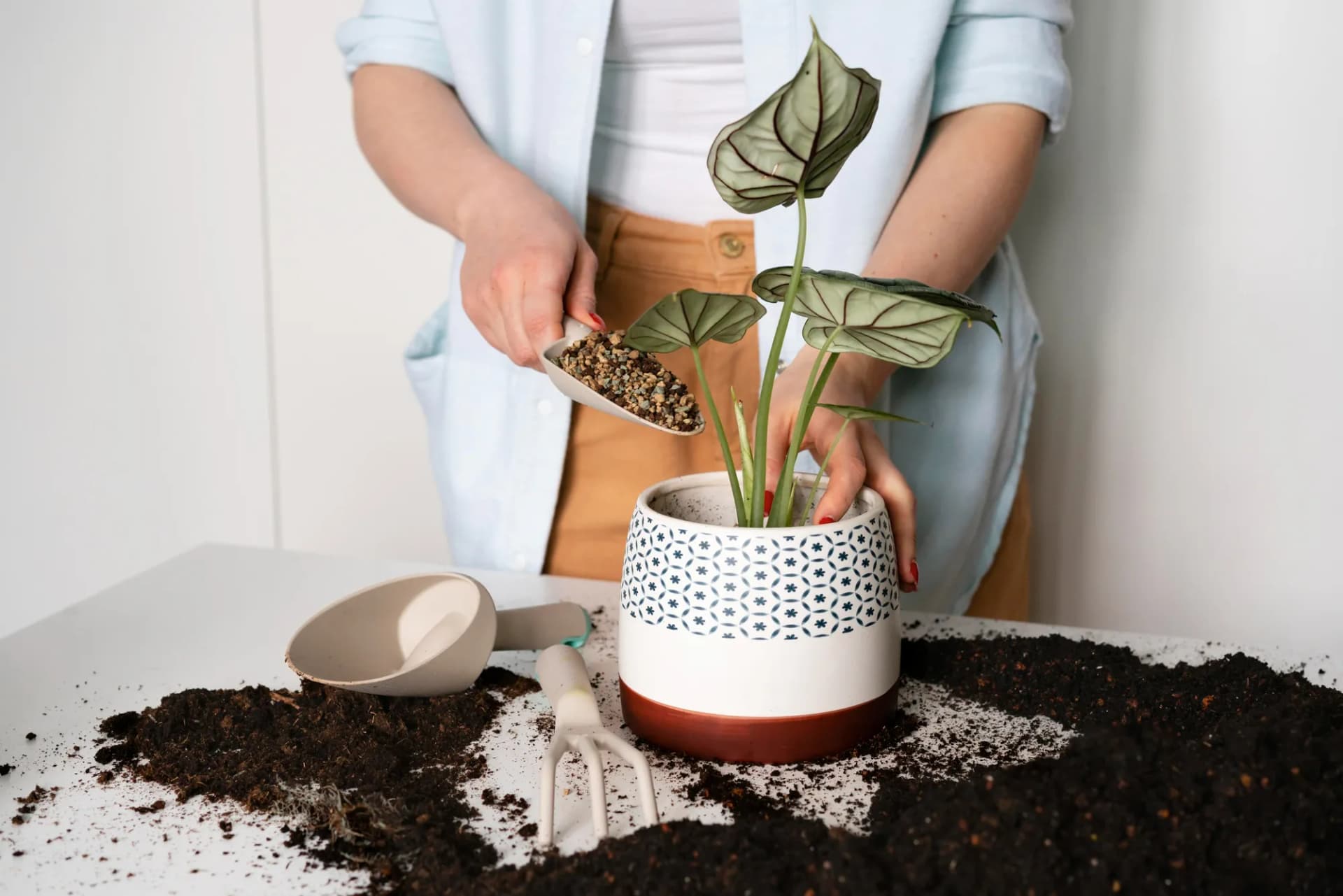
In spring, many plants need repotting—an essential part of care. To avoid stress, consider the plant’s type and size. This article offers a step-by-step guide for repotting indoors or outdoors and shows how to check plant health and get care tips using the Botan App.

8 min read · 9 Oct 2026
Want a garden that looks eerie in October? Here are 15 Halloween plants and fungi, from carnivorous traps to bleeding mushrooms. For each species, we cover its appearance, care requirements, and potential uses in your landscape.