


3 min read · 13 Nov 2026
15 Best Indoor Plants for Your Home
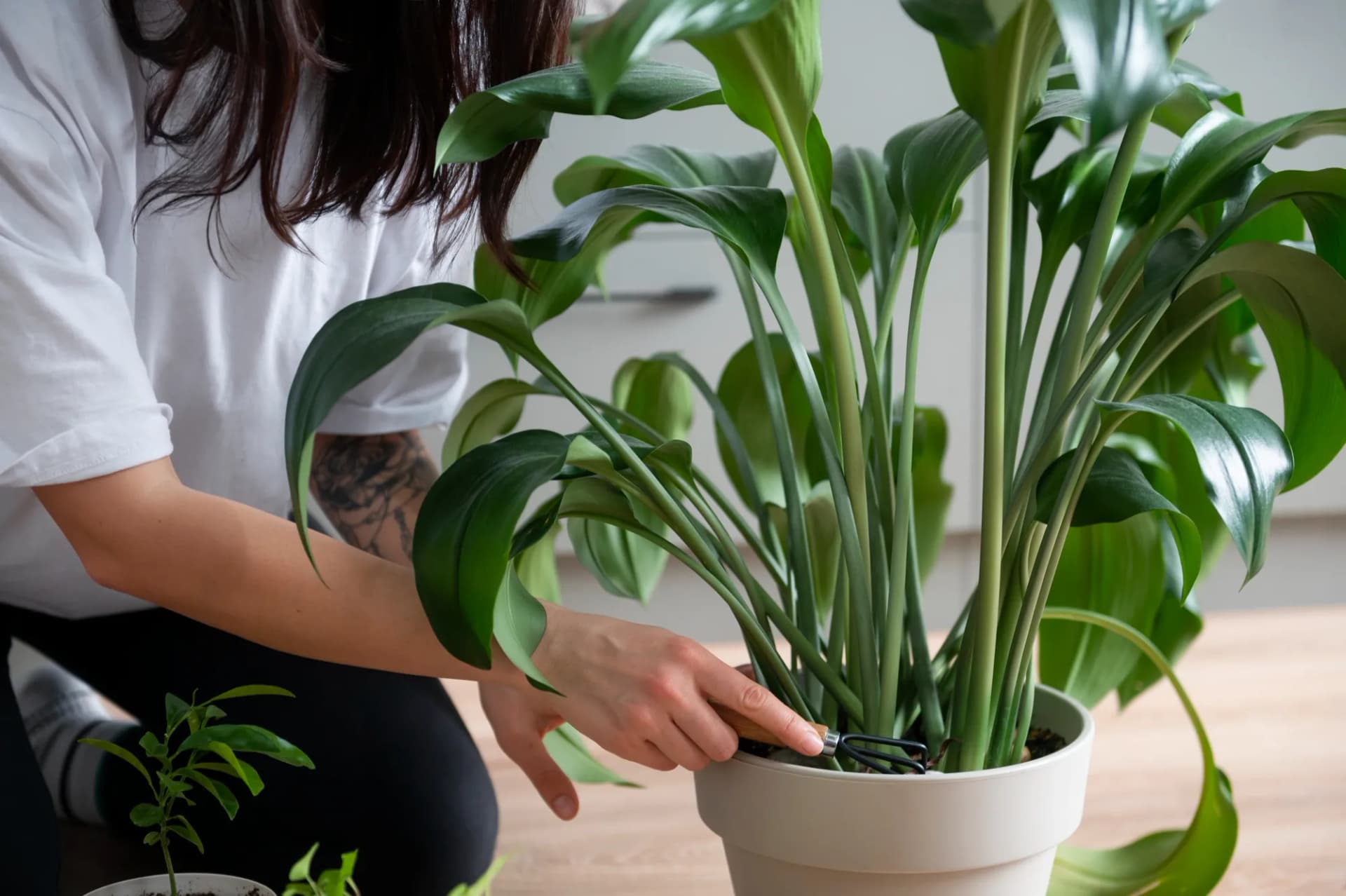
Every plant lover has a small graveyard behind them. Here is the twist... most of those plants did not die from bad care.
Plant Recommendations


Toxicity level
English lavender can cause mild poisoning in cats that eat its flowers, leaves, or stems. Cats may encounter it in garden beds or outdoor containers; contact a veterinarian if a cat eats any part.
The toxicity of English lavender comes from linalool and linalyl acetate, two compounds in its aromatic oils. They occur in the flowers, leaves, and stems. When swallowed, these oil constituents can irritate the digestive tract. Cats have a limited ability to process certain essential-oil compounds in the liver, making them particularly sensitive to exposure.
| Toxic component | Where found | How it acts |
|---|---|---|
| Linalool Found in: Flowers, leaves, and stems | Flowers, leaves, and stems | Can irritate digestive tissues when swallowed as part of plant oils. |
| Linalyl acetate Found in: Flowers, leaves, and stems | Flowers, leaves, and stems | Contributes to the digestive irritation associated with swallowing the plant's oils. |
English lavender poses a mild toxicity risk when a cat eats its flowers, leaves, or stems. The amount swallowed helps assess the exposure; contact a veterinarian if signs persist or worsen.
Bring the cat indoors, away from the flowering border. Remove any loose sprigs carried inside so the cat cannot chew them again.
Gently remove loose flowers or narrow leaves that are easily reached in the mouth. Do not make the cat vomit unless a veterinarian directs it.
Look for chewed flower spikes, missing leaves, and broken stems where the cat was chewing. Photograph the damage to help estimate how much was eaten.
Signs mainly affect the digestive system and eating behavior. Observing how a cat responds to food can help distinguish a change from its usual habits.
A cat may repeatedly lick its lips, swallow more than usual, or turn away after sniffing food.
The cat may retch with visible belly contractions, then bring up food, fluid, or foam.
The cat may leave normally appealing food untouched, eat noticeably less, or skip its usual meals.
Nausea may develop, and some cats begin to vomit.
Vomiting may continue, and cats may show little interest in food.
Mild signs often ease, with appetite gradually returning as nausea settles.
Sunny flower beds and path edges put English lavender's flowers, leaves, and stems within reach of outdoor cats, especially where planting borders a patio or cat enclosure.
Use a fully enclosed catio to separate the cat from flower beds. Leave enough space outside the mesh that stems cannot grow through.
Place fresh bouquets and dried flower bundles in rooms the cat cannot enter. Avoid displaying loose flowering stems on accessible tables or shelves.
Gather clipped stems, leaves, and spent flowers as pruning progresses. Put them in a closed garden waste container rather than leaving piles beside the catio.
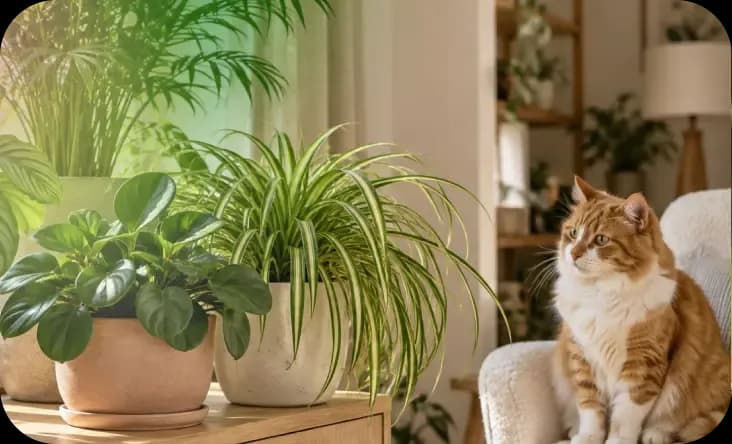
More Plants, More Questions?
Have other plants at home? Identify them with Botan and see if they're safe for cats
For bouquets, Botan App instantly identifies plants and checks cat toxicity from a photo.
Available on iOS and Android
Yes. Drying does not remove all of its toxic compounds. Flower buds used in sachets, potpourri, and dried bouquets should not be treated as edible for cats simply because they are dry.
Identify your hanging plants from photos with Botan App, and learn how each affects cats.
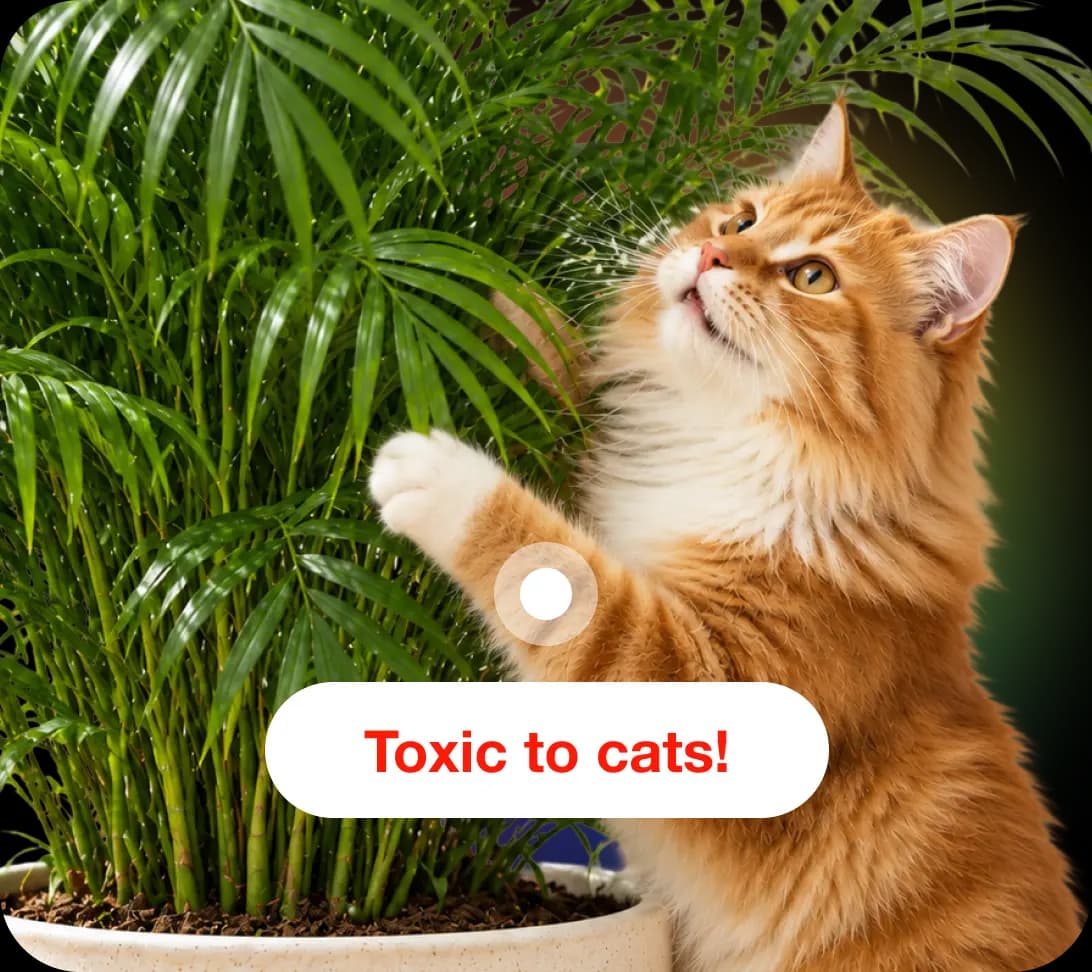
Toxic to cats!
3 min read · 13 Nov 2026
Every plant lover has a small graveyard behind them. Here is the twist... most of those plants did not die from bad care.
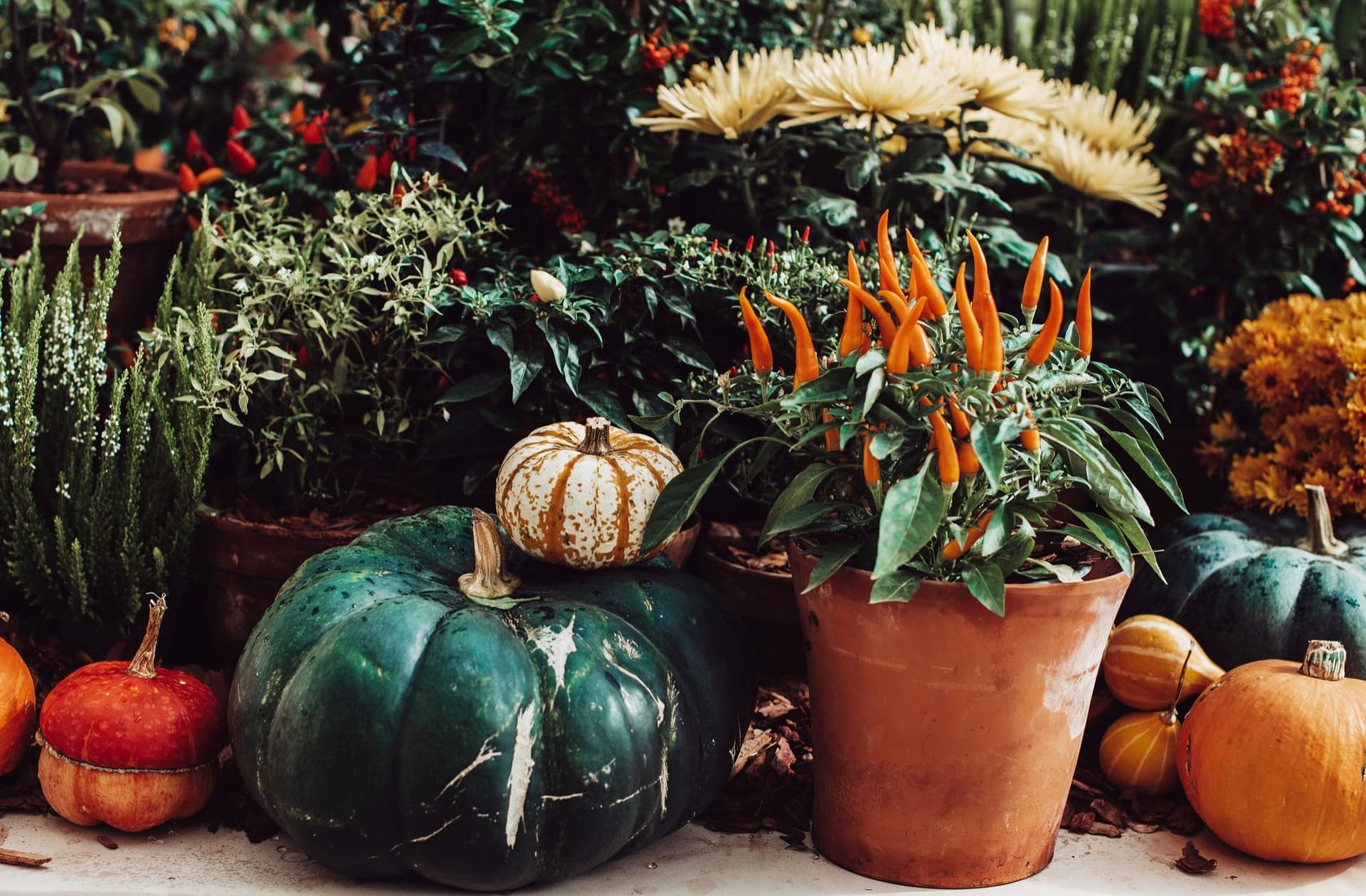
8 min read · 9 Oct 2026
Want a garden that looks eerie in October? Here are 15 Halloween plants and fungi, from carnivorous traps to bleeding mushrooms. For each species, we cover its appearance, care requirements, and potential uses in your landscape.
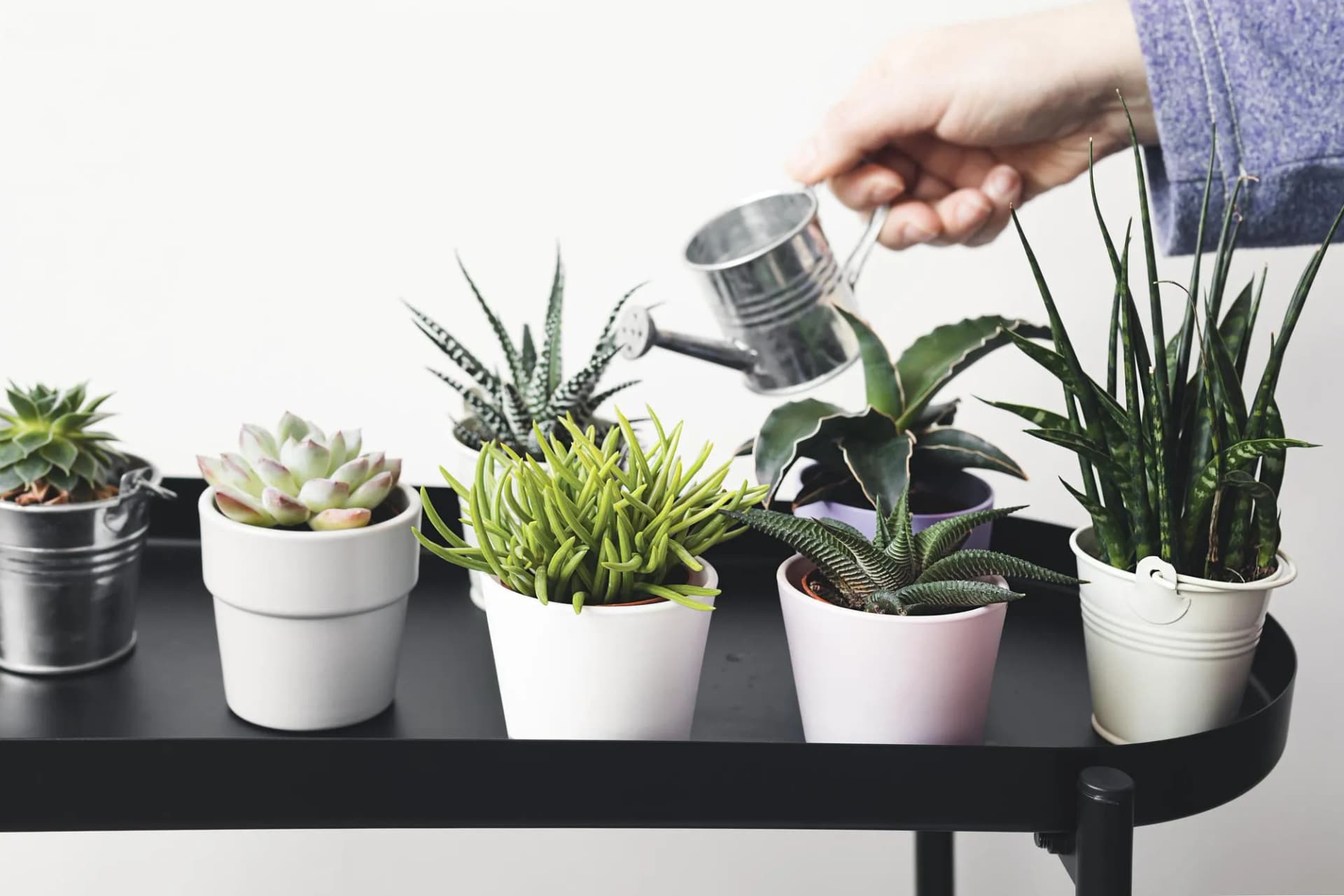
7 min read · 18 Nov 2026
Yellowing, mushy, or shriveled leaves can all point to a watering problem, yet each can have a different cause. This guide explains how to water succulents, when to wait, and how soil, pots, and seasons change the routine.