

Is Elder Toxic to Cats?Sambucus nigra

Toxicity level

Toxic to Cats
Toxic compound
cyanogenic glycosides
Toxic parts
all parts

All parts of elder are toxic to cats and can cause mild illness if chewed or swallowed. Cats may encounter it in garden borders or hedges; contact a veterinarian if any part is eaten.

The toxic compounds in Sambucus nigra are cyanogenic glycosides, which occur throughout the plant. When a cat chews and swallows plant tissue, these compounds can break down and release cyanide.

Cyanide blocks an enzyme that cells need to use oxygen for energy production. This means affected tissues cannot use oxygen normally, even when it is available in the blood.

Toxic componentWhere foundHow it acts
Cyanogenic glycosides
Found in: All parts
All partsRelease cyanide, which disrupts cellular oxygen use and energy production.

An elder has toxic material in every part, including fallen berries and low branches. Effects are generally mild; contact a veterinarian if signs persist or worsen after exposure.

  1. Bring the cat indoors

    Bring the cat away from the shrub and indoors. Note whether it was chewing low branches or eating berries beneath the plant.

  2. Remove loose pieces

    If clearly visible and easy to reach, gently remove loose leaf or berry pieces from the mouth. Do not make the cat vomit unless a veterinarian directs it.

  3. Check the feeding spot

    Look for chewed leaves, damaged stems, and disturbed berry clusters. Estimate how much is missing and note whether any eaten berries were green or ripe.

Signs of exposure to the plant mainly involve the digestive tract. Observable changes may appear during trips to the litter box or interrupt a cat’s usual activities.

  • Vomiting

    The cat may heave repeatedly and bring up food, fluid, or foam, rather than simply coughing.

  • Diarrhea

    Stools may be loose or watery instead of formed, with more frequent litter-box visits or accidents outside the box.

Timeline After Exposure

  1. 0–2 hours

    Vomiting or diarrhea may begin soon after plant material is swallowed.

  2. 2–24 hours

    Vomiting and diarrhea may continue; severity varies with the exposure.

  3. 1–2 days

    Mild stomach upset may settle, but recovery time varies between cats.

Beneath an elder shrub, a cat may find fallen berries and leaves, especially where branches overhang patios, paths, or outdoor resting spots.

  • Collect fallen berries

    Check beneath fruiting branches regularly. Pick up fallen berries and leaves from paths, patios, and any ground the cat can reach.

  • Separate outdoor access

    Use a secure cat enclosure away from the shrub and its overhanging branches. An ordinary garden border will not prevent access.

  • Contain harvested clusters

    Store harvested berry clusters in closed containers, and keep cut flowering branches out of rooms the cat can enter.

  • Bag pruning waste

    Keep the cat away during pruning, then collect stems, leaves, and berry clusters promptly. Place all trimmings in a securely closed garden-waste bin.

Cat Safety at the Nursery

Identify potential purchases and check cat toxicity instantly using Botan App’s single-photo scan.

Available on iOS and Android

FAQ

Yes. Appearing normal does not rule out a problem after eating it. A veterinarian can assess the exposure based on the plant part, the estimated amount swallowed, and the cat's current condition.

Everything About Elder

More Plant Toxicity Guides for Cats

Any Toxic Plants in Your Home?

Identify gifted plants from photos with Botan App and learn how they affect cats.

An orange cat reaching for a houseplant

Toxic to cats!

Can Plants Grow With Artificial Light?

6 min read · 15 Sept 2026

Can Plants Grow With Artificial Light?

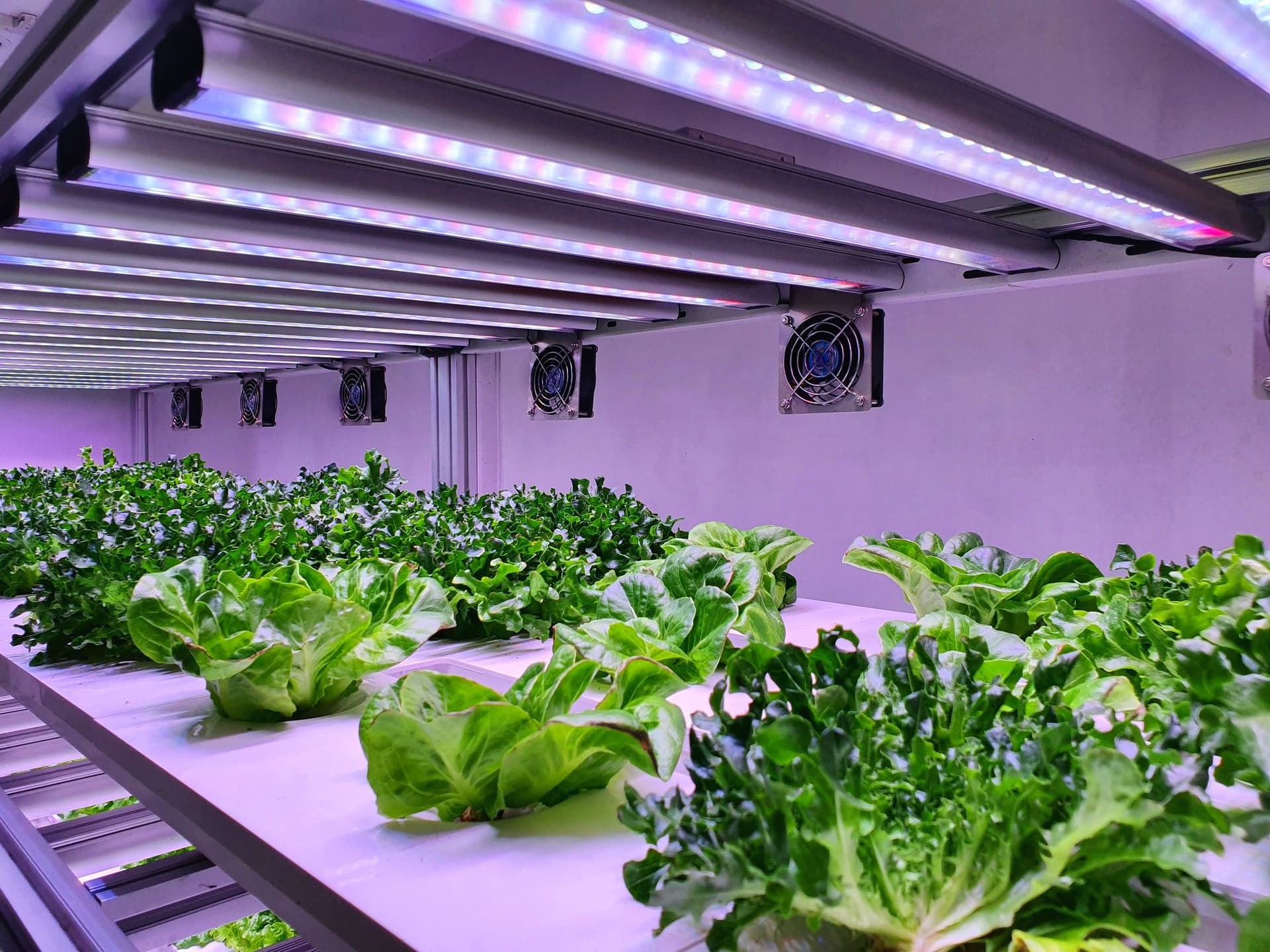
Plants can grow under artificial light when the setup provides a suitable spectrum, enough intensity, and sufficient daily exposure. This guide explains how artificial lighting compares with sunlight, which options work indoors, and how to match a setup to houseplants.

Plant Care
Can Plants Grow With Artificial Light?
Best Fertilizer for Vegetable Gardens – What to Use for Each Plant

11 min read · 20 Jul 2026

Best Fertilizer for Vegetable Gardens – What to Use for Each Plant

Here, you’ll find the right fertilizer formula for vegetables in your garden. Learn how to adjust feeding correctly throughout the growing cycle, spot nutrient deficiencies by their symptoms, and keep your plants healthy and prolific.

Plant Recommendations
Best Fertilizer for Vegetable Gardens – What to Use for Each Plant
12 Best Landscaping Trees for Your Garden

8 min read · 6 Oct 2026

12 Best Landscaping Trees for Your Garden

Choosing the landscape tree depends on what your garden needs most. These 12 options include compact flowering specimens, colorful deciduous trees, shade varieties, and evergreens suitable for screening and year-round structure.

Plant Recommendations
12 Best Landscaping Trees for Your Garden