
Is ZZ Plant Toxic?Zamioculcas zamiifolia

Toxic to Pets & Humans
  • HumansModerate
  • CatsMild
  • DogsMild
Toxic compound
calcium oxalates
Toxic parts
leaves
Contact risk
no contact risk listed
Zamioculcas zamiifolia Toxicity

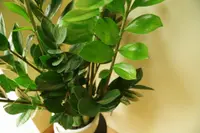
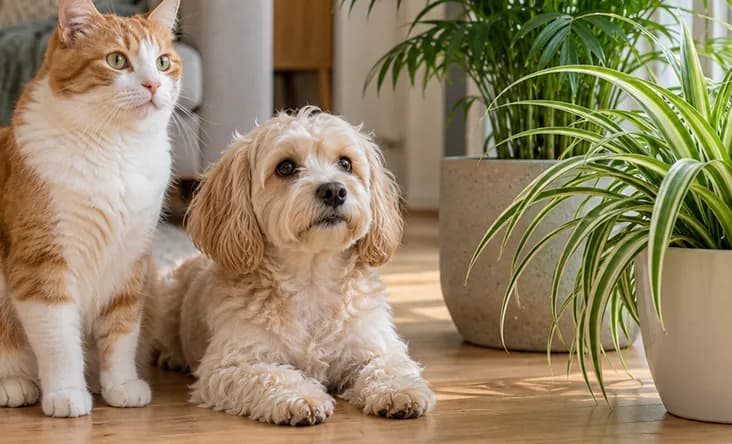
The ZZ plant is toxic to humans, cats, and dogs. Its glossy leaves contain calcium oxalates, making chewing or eating the foliage the main exposure concern. The severity classification is moderate for humans and mild for cats and dogs.

GroupToxicityShort answer
Humans
Toxic
Toxic

Chewing or eating the leaves can cause a painful burning sensation in the mouth. A doctor should assess symptoms after exposure.

Cats
Toxic
Toxic

Cats that chew the leaves may develop mouth pain, even when they do not swallow the chewed plant material.

Dogs
Toxic
Toxic

Dogs may drool after chewing the leaves. A veterinarian should assess signs following a suspected exposure.

ZZ plant (Zamioculcas zamiifolia) contains insoluble calcium oxalates, which form tiny, needle-shaped crystals called raphides. These crystals cause toxicity mainly through physical irritation: their sharp points can penetrate the delicate tissues lining the mouth and throat.

Exposure occurs when a person or pet bites or chews plant tissue, releasing crystals held inside specialized plant cells. Swallowing is not necessary for exposure because crystal-containing material can contact the mouth during chewing.

Plant partContains toxinDetails
Leaves
Contains toxin: Yes
Yes

Leaves contain calcium oxalates. Chewing breaks open plant tissue and releases the crystals, exposing the mouth to their irritating effects.

Symptoms can vary with how much plant material is chewed or swallowed. In people and pets, irritation around the mouth may be more noticeable than digestive upset.

AreaSymptoms
Mouth & throat

Burning pain and swelling of the lips, mouth, tongue, or throat.

Cats & dogs

Mouth irritation, excessive drooling, vomiting, and difficulty swallowing.

Placement and routine cleanup matter when a ZZ plant’s leafy stalks extend toward nearby furniture or maintenance leaves loose leaflets.

  1. Keep Arching Stalks Beyond Reach

    Place the pot where its arching, leaflet-covered stalks remain beyond children’s and pets’ reach, including from nearby furniture. Allow room for outward growth.

  2. Collect Loose Leaflets

    Check the pot surface, shelf, and floor for fallen leaflets. After pruning, collect all leaf pieces promptly and place them in a covered waste bin.

  3. Separate Leaf Propagation Projects

    ZZ plants can grow from leaf cuttings. Keep propagation containers in an inaccessible location rather than leaving loose leaves on counters or shared windowsills.

Could Your Unknown Plant Be Toxic?

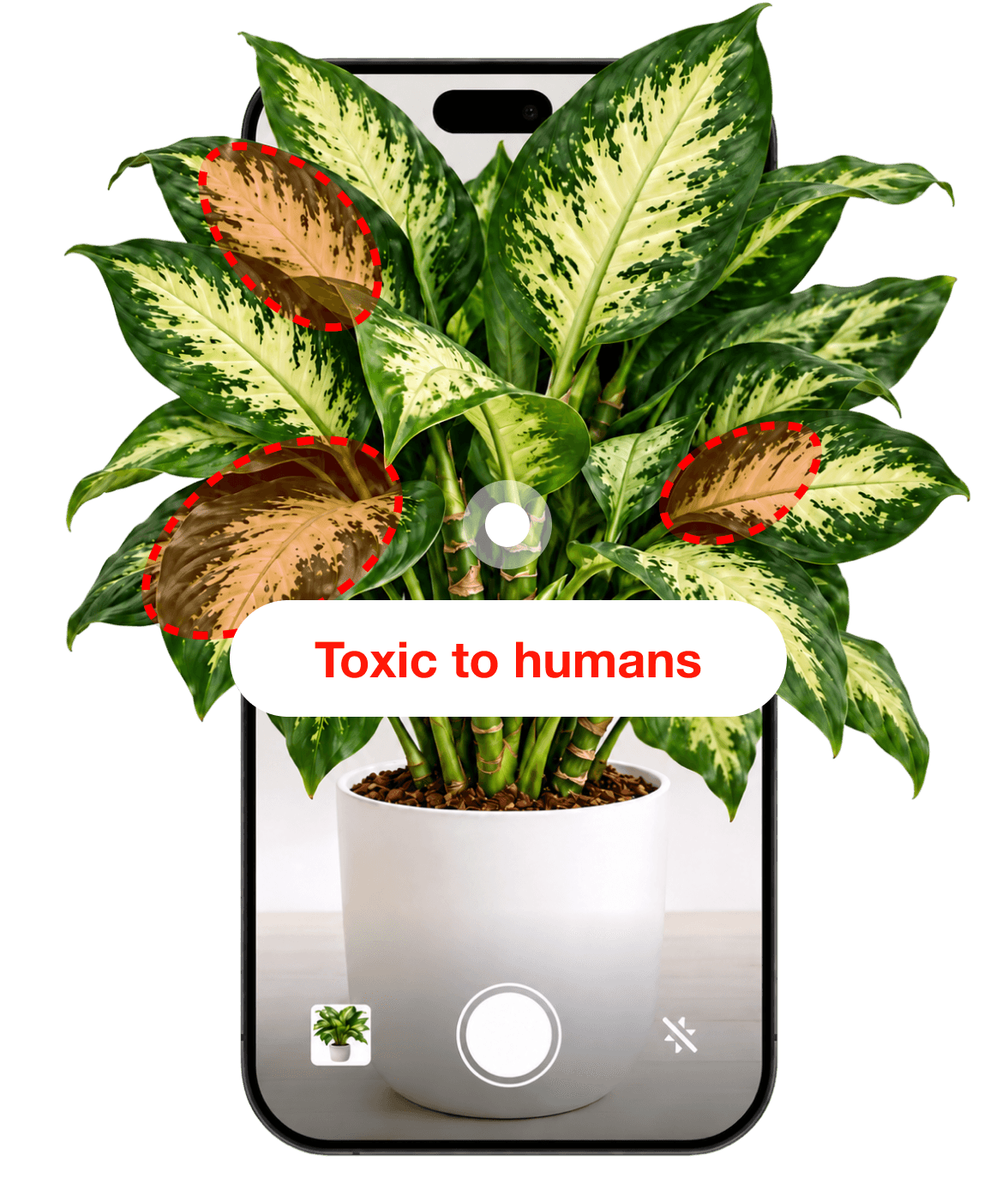
Identify plants from photos with Botan App, then check available toxicity information for humans and pets.

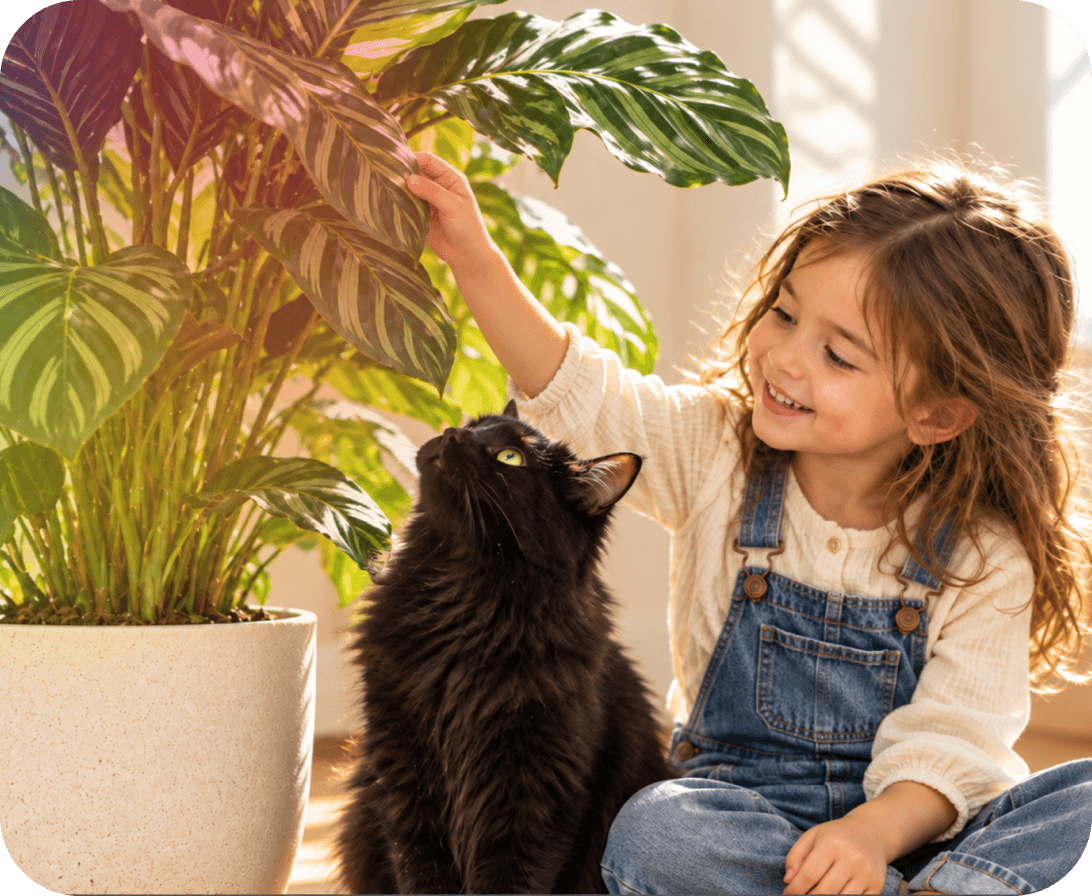
A child and a cat next to a houseplant

FAQ

No part should be treated as edible. The leaves contain calcium oxalates and are toxic when chewed or swallowed. This ornamental houseplant is not suitable as food for people or pets.

More Plant Toxicity Guides

Photograph an Unknown Plant for Identification

Botan App helps put a name to unfamiliar plants in photos.

Botan app checking whether a plant is toxic
Top 15 Fast-Growing Trees For Your Garden

13 min read · 28 Jul 2026

Top 15 Fast-Growing Trees For Your Garden

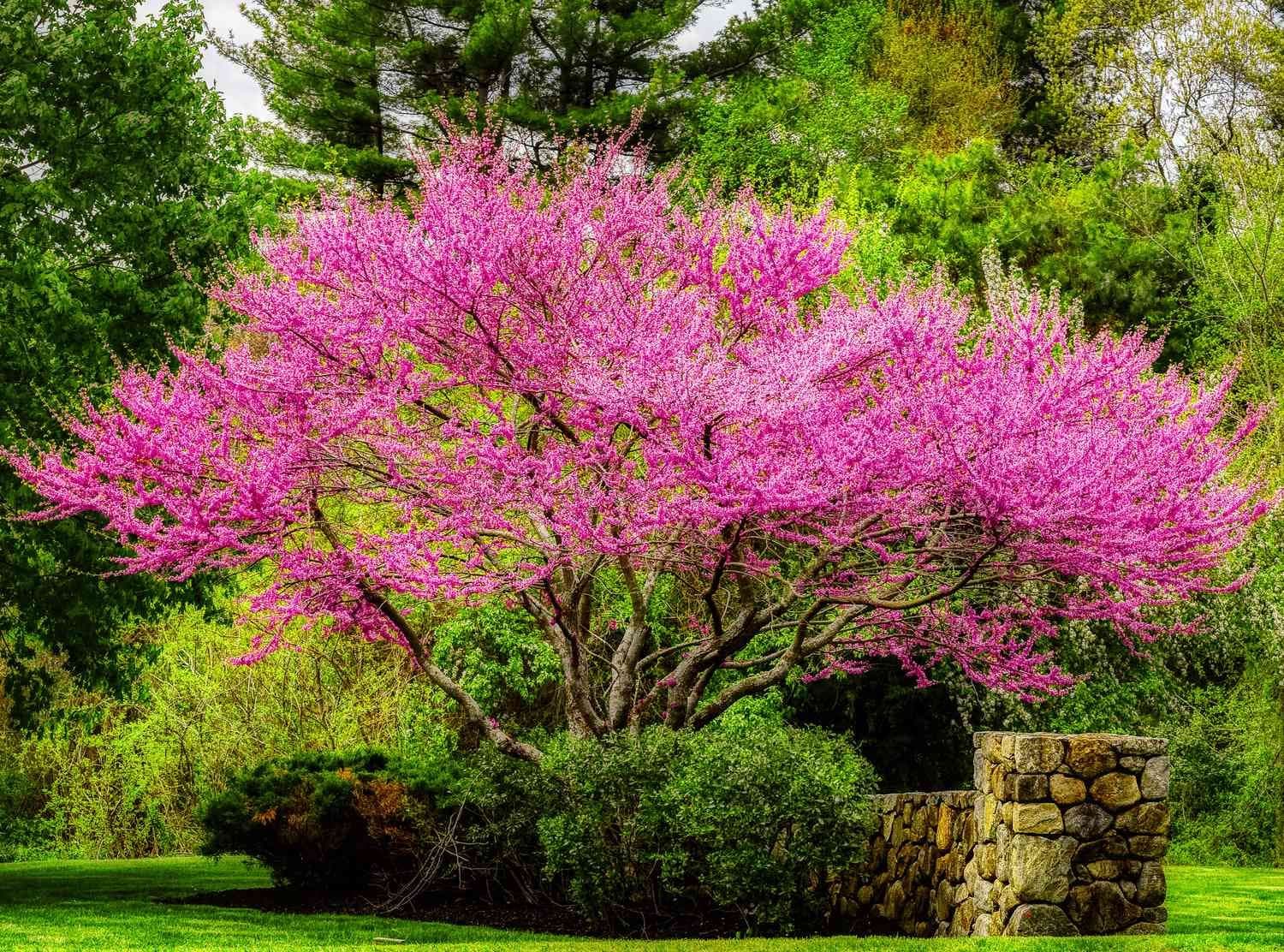
Learn which of the 15 fastest-growing trees will suit your area. We’ll share detailed information on each: growth rate, mature spread, key tree demands, and main vulnerabilities. Read on and make the best choice possible.

Plant Recommendations
Top 15 Fast-Growing Trees For Your Garden
Is Sugar Water Good for Plants?

4 min read · 14 Sept 2026

Is Sugar Water Good for Plants?

Sugar water may sound like an easy boost, but most rooted plants do not need extra sucrose. This guide explains how green tissues produce carbohydrates, when a sweetened solution can be useful, and why too much can cause problems.

Plant Care
Is Sugar Water Good for Plants?
12 Best Plants That Repel Spiders For Your Home and Garden

8 min read · 24 Jul 2026

12 Best Plants That Repel Spiders For Your Home and Garden

Spiders constantly appear in places you don't want them. A few common plants can help repel them using scent alone. Here are 12 options suitable for both indoors and outdoors, plus care tips for each.

Plant Recommendations
12 Best Plants That Repel Spiders For Your Home and Garden